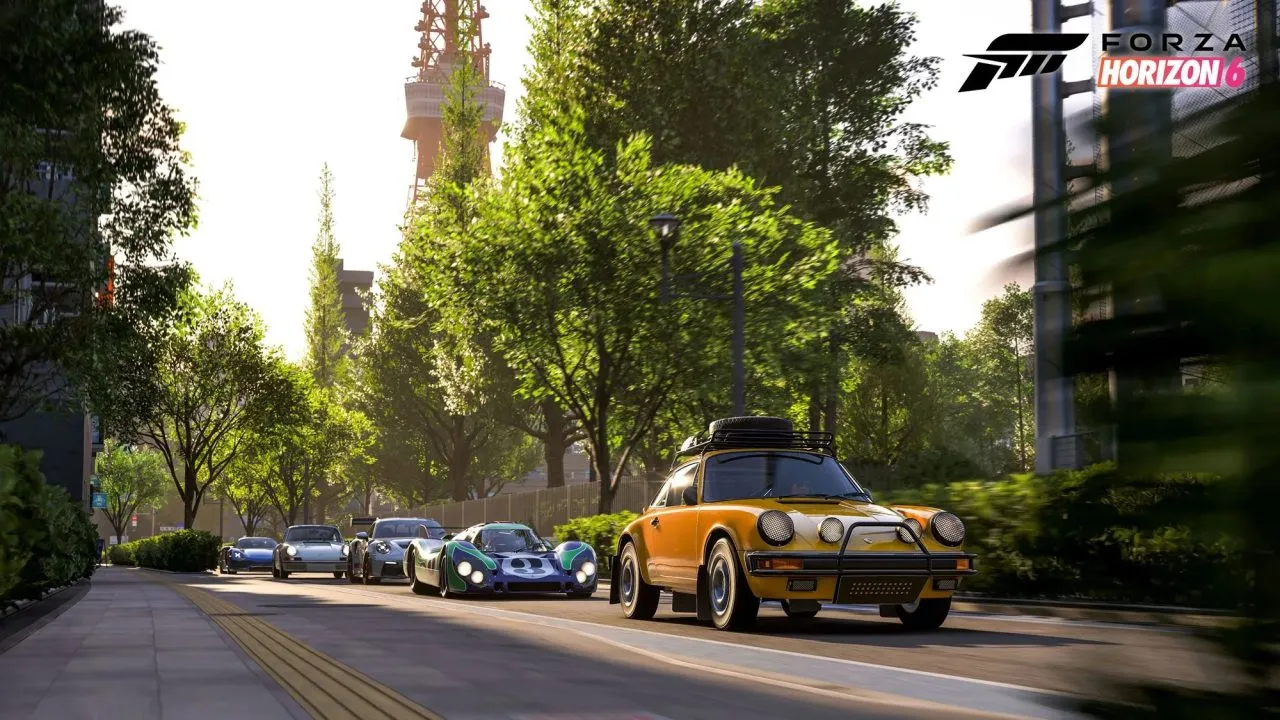
Forza Horizon 6 British Automotive Update Overview
The British Automotive series in Forza Horizon 6 introduces exciting new cars and activities for players between September 10 and October 8.
New Cars in the Festival Playlist:
-
2025 Bentley Continental GT Speed
- Requirement: 80 points
- Available: September 10 – October 8
- Specs: 4.0-liter twin-turbo V8 hybrid, 771 hp, AWD.
-
2019 Ginetta G40 Junior
- Requirement: 20 points
- Available: September 10 – September 17
- Specs: 1.8-liter four-cylinder, 100 hp, RWD.
-
2006 Vauxhall Astra VXR
- Requirement: 20 points
- Available: September 24 – October 1
- Specs: 2.0-liter turbocharged, 236 hp, FWD.
British Automotive Festival Playlist:
- Includes a total of 10 reward cars comprised of new additions, returning favorites, and traditional vehicles to earn through seasonal progression.
Reward Cars Overview:
| Car | Requirement | Availability | Status |
|---|---|---|---|
| 2025 Bentley Continental GT Speed | 80 PTS | September 10 – October 8 | New-to-Horizon |
| 2019 Aston Martin Valhalla Concept | 160 PTS | September 10 – October 8 | Series Reward |
| 2019 Ginetta G40 Junior | 20 PTS | September 10 – September 17 | New-to-Horizon |
| 2021 McLaren 620R | 40 PTS | September 10 – September 17 | Summer Reward |
| 2015 Jaguar XKR-S GT | 20 PTS | September 17 – September 24 | Returning |
| 2021 MINI John Cooper Works GP | 40 PTS | September 17 – September 24 | Autumn Reward |
| 2006 Vauxhall Astra VXR | 20 PTS | September 24 – October 1 | New-to-Horizon |
| 2016 Bentley Bentayga | 40 PTS | September 24 – October 1 | Winter Reward |
| 2002 Lotus Esprit V8 | 20 PTS | October 1 – October 8 | Returning |
| 2023 Lotus Emira | 40 PTS | October 1 – October 8 | Spring Reward |
Car Pass Additions:
Four more new-to-Horizon vehicles will arrive through the Car Pass, with one released each week:
- 2025 McLaren W1 (Sep 10) – 1,258 hp, RWD
- 2023 Dodge Challenger SRT Demon 170 (Sep 17) – 1,025 hp, RWD
- 1998 Renault Sport Spider (Sep 24) – 145 hp, RWD
- 1987 Porsche 911 Carrera Coupe ‘Luftauto 002’ (Oct 1) – 250 hp, RWD
Key Activities:
- Drift Attack at Shimanoyama Circuit is now a permanent addition.
- Collect the 1990 Jaguar XJ-S Forza Edition by participating in Drift events.
Conclusion:
The British Automotive update offers players an exciting array of new and returning vehicles, activities, and opportunities to expand their collections. The Festival Playlist begins on September 10—mark your calendars!
See you on the track!