
Caffeine is the world’s most widely consumed stimulant. Found naturally in coffee, tea, chocolate, and present in many soft drinks and energy beverages, caffeine is ingrained in our daily routines, particularly among students in Cambridge as exam periods approach. Many of us depend on caffeine to help us overcome long days filled with work and study while still having energy to socialize with peers. This reliance is understandable; caffeine has been shown to enhance alertness, attention, and memory, along with improving endurance and task performance.
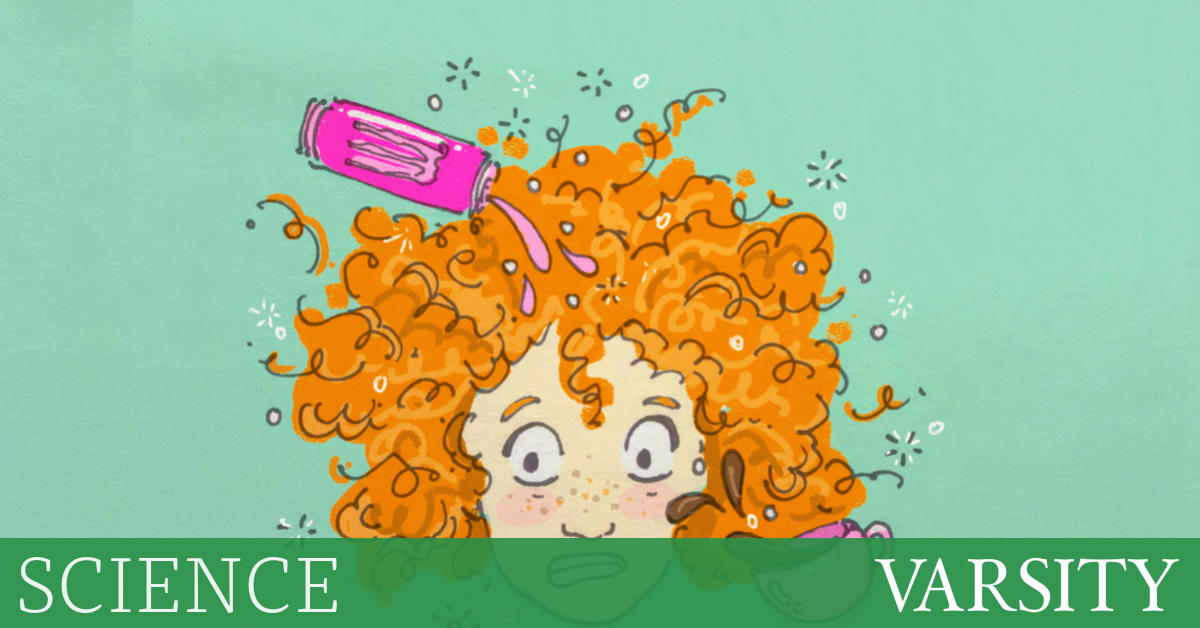
However, can we consume too much caffeine? Many experienced drinkers would agree. I recall a day not long ago when I had an excessive amount of coffee during a stressful period, only to feel my heart racing and my hands trembled to the point where I could hardly write. Caffeine overconsumption can lead to several undesirable side effects, including headaches, nausea, dehydration, an increased heart rate, palpitations, muscle tremors, and anxiety. In severe instances, such as the notable Panera Bread caffeinated lemonade case, excessive caffeine intake has even been linked to overdose, cardiac arrest, and in extreme cases, death.
“Women may experience fewer of caffeine’s positive effects while being more susceptible to negative side effects.”
The straightforward approach would be to simply limit caffeine intake. UK guidelines recommend that most adults consume no more than approximately 400mg of caffeine daily, while pregnant individuals are advised to keep their intake below 200mg. Nevertheless, scientific evaluations reveal that there isn’t a universally applicable answer regarding safe caffeine consumption levels. Various factors such as height, weight, medications, health conditions, and sex can influence how caffeine is metabolized by the body.
Some studies suggest that women may experience diminished benefits from caffeine while being more prone to adverse effects like anxiety. Additionally, individuals taking oral contraceptives or hormone replacement therapy may metabolize caffeine at a slower rate, causing less consumption to yield longer-lasting effects. The same applies to certain medications, such as methoxsalen, used to treat varied skin conditions.
“Avoiding high levels of caffeine within 12 hours of sleep can help protect both sleep length and sleep quality.”
For athletes, caffeine may boost performance but could also increase risks such as headaches, disrupted sleep, and other uncomfortable side effects. For those prone to chronic headaches or migraines, caffeine can serve as both a trigger and a potential short-term remedy. Caffeine’s interaction with mental health is also intricate; while low to moderate coffee consumption has been linked to reduced symptoms of depression, higher quantities may exacerbate symptoms in individuals with clinical anxiety. This only scratches the surface of current research exploring caffeine’s effects on both mind and body.
Given these complexities, determining our best approach to caffeine can be challenging. The urge for a simple guideline is natural – whether to avoid it entirely, have a single cup daily, or indulge freely. Unfortunately, the human body and the science surrounding it do not often provide clear-cut answers. While there are helpful general recommendations—such as steering clear of excessive caffeine close to bedtime to safeguard sleep quality—much of the answer lies in understanding how caffeine personally affects you.
Take stock of your current caffeine consumption. Investigate how any regular medications or health issues you have might interact with caffeine. Experiment with various sources of caffeine to see if coffee impacts you differently than energy drinks. Alter your intake timings throughout the day to assess any effects on sleep, anxiety, or productivity. You might even consider gradually reducing your caffeine intake instead of quitting abruptly, then abstain for a couple of weeks to evaluate any changes. While this may not provide the definitive answer we seek, it likely represents the most trustworthy approach: pay attention to your body’s signals.
Key Takeaways
- Caffeine is a widely consumed stimulant with both positive and negative effects.
- High caffeine intake can lead to side effects including headaches and anxiety.
- Individual metabolism of caffeine may vary based on several factors, including gender and medications.
- General guidelines suggest a maximum of 400mg of caffeine per day for most adults.
- Listening to your body is key in determining your optimal caffeine intake.
FAQ
How much caffeine is safe to consume daily?
Most adults are advised to limit their caffeine intake to around 400mg per day, while pregnant individuals should stay below 200mg.
Can caffeine affect sleep?
Yes, consuming high levels of caffeine close to bedtime can disrupt sleep length and quality.
Does gender influence caffeine sensitivity?
Research indicates that women may experience fewer positive effects and more negative side effects from caffeine compared to men.
What are common side effects of too much caffeine?
Excessive caffeine consumption can result in headaches, anxiety, rapid heartbeat, nausea, and tremors.
In conclusion, caffeine is a common part of our daily lives, providing both benefits and challenges. By being mindful of our consumption and its effects, we can better navigate our relationship with this widely used stimulant.