In a significant move aimed at promoting healthier lifestyles among Coloradans, Governor Jared Polis has banned the purchase of soda and other sugary beverages for official state functions. This initiative is part of a broader effort involving multiple state departments to encourage healthier eating and drinking habits throughout Colorado.
The executive order follows the refusal of a governor-appointed human services board to endorse a proposal that would prevent Coloradans from using food stamps to buy soda. Board members expressed concerns about the implications of such a ban for low-income individuals, emphasizing the need to respect the food choices of all Coloradans.
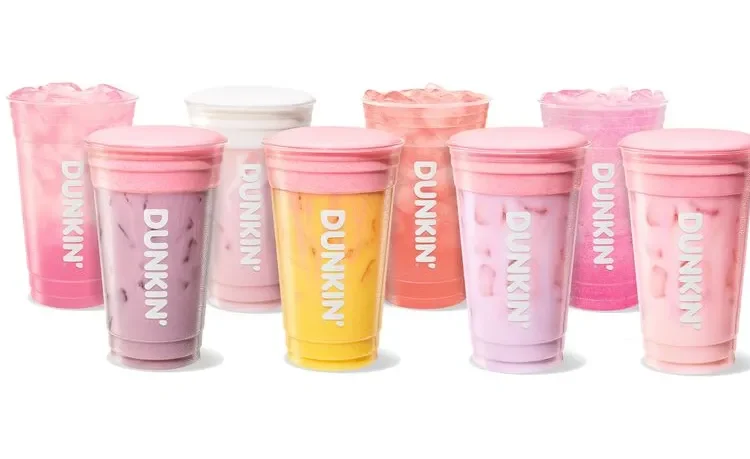
Under the new order, state agencies are prohibited from using state funds to purchase soft drinks or alcohol for official purposes, including meetings, conferences, and training events. However, beverages that contain milk or milk alternatives, as well as those made with at least 50% vegetable or fruit juice, are exempt from this ban.
The executive order tasks the Department of Human Services with pursuing adjustments to the food-assistance program, which includes requesting a ban on the use of food stamps for sugary drinks. The department is also directed to seek federal approval for a “hot food waiver,” allowing participants in the Supplemental Nutrition Assistance Program to purchase rotisserie chickens and other prepared foods at grocery stores, alongside enhancements to an incentive program promoting fruit and vegetable purchases.
The executive order impacts nearly every state department. For instance, the Colorado Department of Agriculture is required to expand its “Colorado Proud” school meal program, prioritizing locally sourced foods, by 10% across the state.
Additionally, the Department of Natural Resources and Colorado Parks and Wildlife must collaboratively promote the benefits of hunting and fishing as sustainable sources of fresh protein. These departments will begin sharing fish and game recipes through social media and Colorado Outdoors magazine starting in June.
The state health department aims to increase enrollment in its diabetes prevention program to 31,000 individuals by 2029, up from approximately 26,362 in 2024. Furthermore, the Department of Revenue is tasked with creating a Colorado Proud lottery scratch ticket that celebrates iconic Colorado crops such as Palisade peaches, Rocky Ford cantaloupe, Olathe sweet corn, and Pueblo chiles by this fall.
The Department of Corrections must assess the nutritional quality of meals provided to prisoners to ensure a balanced diet, while the Department of Early Childhood is to inform childcare centers quarterly about seasonal healthy food options. Moreover, the Department of Education is encouraged to ensure that school districts allocate over 20% of their food service budgets to local produce.
“We are fortunate to have an abundance of delicious produce grown throughout our state, and we aspire to shine a spotlight on these foods while enhancing access for everyone,” Polis stated in a news release.
Despite Colorado’s ranking as one of the healthiest states, the governor’s office notes that five of the top ten causes of death in the state are diet-related: heart disease, cancer, stroke, diabetes, and chronic liver disease.
Data from the Centers for Disease Control and Prevention shows that approximately 38% of Coloradans do not consume fruit daily, while 18% do not eat even one vegetable a day, as of 2021. Yet, Colorado boasts over 50 farmers markets and more than 200 farms, ranches, and roadside stands offering locally sourced products, according to the governor’s office.
In August, Polis announced that he received approval from the U.S. Department of Agriculture for a “healthy choice” initiative for SNAP. Although he sought the human services board’s assistance to implement new regulations, the board delayed action, as numerous opponents, including 27 Democratic state lawmakers, argued that the proposed ban would unwittingly undermine the dignity and autonomy of low-income families.
The state human services department previously voiced its readiness to deliver a comprehensive policy proposal to the board regarding the SNAP ban on sugary drinks.
Key Takeaways
- Governor Polis has banned the purchase of sugary drinks for state functions.
- The order also prohibits state funds from being used for alcohol purchases.
- Exempt beverages include those with milk or significant fruit/vegetable juice content.
- Departments are encouraged to promote local produce and sustainable food options.
- The executive order aims to enhance community access to healthy food.
FAQ
What beverages are excluded from the sugary drinks ban?
Beverages containing milk or milk alternatives and those with at least 50% vegetable or fruit juice are exempt from the ban.
What is the goal of the Department of Human Services?
The department aims to advocate for changes in the food-assistance program, including a potential ban on food stamp purchases of sugary drinks.
How will the executive order impact local agriculture?
State departments are required to boost the use of locally sourced foods in schools and promote local produce in various programs.
Why was the initial sugary drink ban proposal opposed?
Opponents argued that the ban could undermine the dignity and autonomy of low-income families.