As tensions in the Middle East persist, recent developments suggest potential progress toward a significant deal between the U.S. and Iran. Following extensive negotiations involving key regional players, initial terms are being discussed, aiming to address critical issues including nuclear ambitions and stability in the region.
CAIRO (AP) — U.S. President Donald Trump stated that a deal with Iran concerning the war in the Middle East, particularly regarding the Strait of Hormuz, has been “largely negotiated” after consultations with Israel and other regional allies over the past weekend.
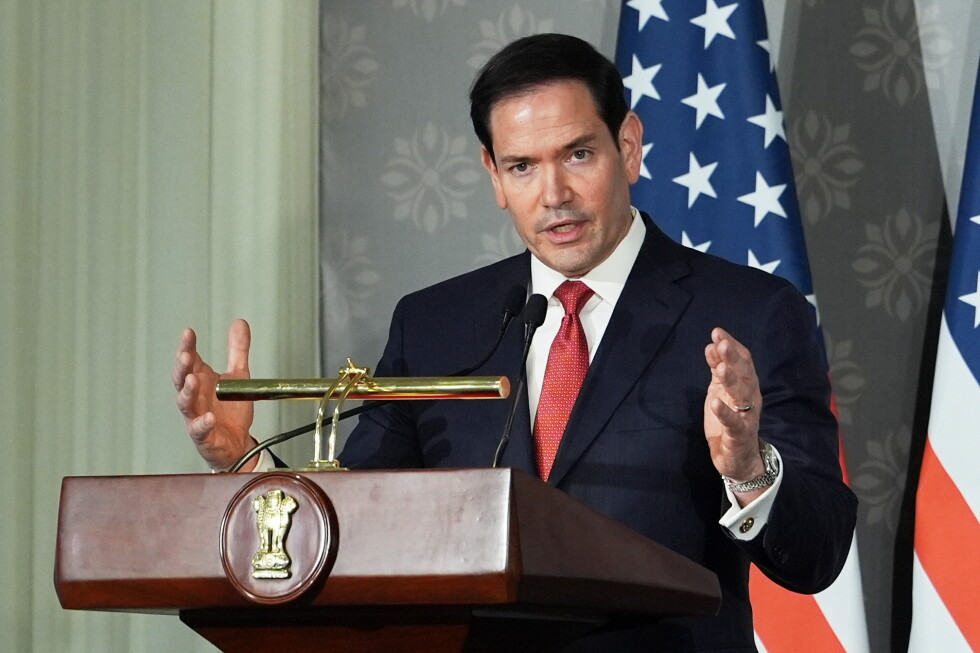
However, caution was expressed by other officials, with Secretary of State Marco Rubio remarking that “significant progress, although not final progress has been made” in the discussions.
During his four-day trip to India, where Rubio held meetings with officials from India, Australia, and Japan, he expressed hope for positive developments soon.
Rubio emphasized that the negotiations are advancing one of Trump’s primary objectives: “to ensure a world free from the fear of an Iranian nuclear weapon.”
On Saturday, Trump announced he had discussions with leaders from Saudi Arabia, the United Arab Emirates, Qatar, Pakistan, Turkey, Egypt, Jordan, Bahrain, and individually with Israel.
“Final aspects and details of the Deal are currently being discussed and will be announced shortly,” Trump stated on social media, providing no further specifics.
This announcement concluded a week during which the U.S. contemplated a new round of attacks on the Islamic Republic that could disrupt a sensitive ceasefire.
Details of a deal begin to emerge
The proposed agreement would commit Iran to refraining from developing nuclear weapons, with Tehran reportedly agreeing to relinquish its stockpile of highly enriched uranium, according to two regional officials.
An official with insight into the negotiations shared that the specifics of how Iran will surrender its enriched uranium will be a topic of further discussions over the next 60 days.
It is expected that part of this uranium will be diluted, while the remainder may be handed over to a third country, potentially Russia, according to the official.
As per the International Atomic Energy Agency, Iran currently possesses 440.9 kilograms (972 pounds) of uranium enriched up to 60% purity, which is just a short technical step from weapons-grade levels at 90%.
Simultaneously, the Strait of Hormuz is expected to reopen gradually, alongside the lifting of the U.S. blockade of Iranian ports, as per the official.
The U.S. is also anticipated to permit Iran to sell oil through sanctions waivers, with negotiations around sanctions relief and the release of frozen Iranian assets planned for the upcoming 60-day period.
Both officials indicated that the draft agreement encompasses the cessation of hostilities between Israel and Hezbollah, as well as a pledge of non-interference in domestic matters of regional nations. The officials requested anonymity to discuss private negotiations.
It has been twelve weeks since the U.S. and Israel launched strikes on Iran on February 28, resulting in the deaths of key Iranian figures including its supreme leader, which disrupted nuclear discussions a second time within the year. In retaliation, Iran targeted Israel and U.S. troop-hosting neighboring countries, prompting security concerns among Gulf nations.
A ceasefire has remained intact since April 7. Nevertheless, Iran’s recent actions, effectively closing the Strait of Hormuz to vessels transporting regional oil, natural gas, and critical supplies, have escalated global concerns and economic strain.
Israel concerned over Hezbollah
Israeli officials express apprehension that Hezbollah, the Lebanese militant group allied with Iran, continues to pose a serious threat, with Lebanon lacking the capacity to disarm the group.
Prime Minister Benjamin Netanyahu cautioned Trump that Israel “maintains freedom of action against threats in all arenas, including Lebanon,” as per an official familiar with the dialogue who spoke on the condition of anonymity.
The official noted that Trump communicated clearly to Netanyahu that he would not endorse any final agreement unless Iran dismantles its entire nuclear program and eliminates all enriched uranium from its territory.
Israel’s Minister of Science and Technology, Gila Gamliel, a member of Netanyahu’s Likud party, stated on Israel’s Army Radio on Sunday morning that Israel is adopting a “wait-and-see” approach.
A tenuous U.S.-brokered ceasefire has been in effect in the Israel-Hezbollah conflict since April 17, which erupted just two days after the start of the Iran war.
Despite the cessation of active hostilities, sporadic firing continues from both sides. Hezbollah conducts daily drone and projectile launches aimed at Israeli soldiers and northern Israel, while Israel retaliates with strikes on Lebanese targets, maintaining a military presence in significant areas of southern Lebanon.
More than 3,000 people have lost their lives in this latest cycle of violence, according to the Lebanese Health Ministry. Additionally, casualties on the Israeli side include 22 soldiers and a defense contractor in or near southern Lebanon, along with two civilians in northern Israel, primarily due to Hezbollah drones, as reported by Netanyahu’s office.
Key Takeaways
- The U.S. is negotiating a potential deal with Iran that may impact nuclear ambitions and regional stability.
- Iran’s agreement to abstain from developing nuclear weapons is a critical component of the ongoing negotiations.
- Discussions on how Iran will relinquish its stockpile of enriched uranium are still underway.
- The U.S. may lift its blockade of Iran’s ports and allow oil sales with sanctions waivers.
- Concerns remain regarding Hezbollah’s presence as a threat to Israel amid ongoing tensions.
- The fragile ceasefire between Israel and Hezbollah continues, despite sporadic hostilities.
FAQ
What are the main components of the deal being negotiated?
The deal includes Iran’s commitment not to pursue nuclear weapons and potential measures for relinquishing its enriched uranium stockpile.
How will the negotiations affect the Strait of Hormuz?
The Strait of Hormuz is expected to gradually reopen alongside the U.S. ending its blockade of Iranian ports.
What is the current status of the ceasefire between Israel and Hezbollah?
A fragile ceasefire has been maintained, but there are still ongoing incidents of violence from both sides.
What are Israel’s concerns regarding Hezbollah?
Israel is worried about Hezbollah’s military capabilities and the group’s potential threat, particularly given the unstable situation in Lebanon.
In conclusion, as negotiations progress, concerns about nuclear proliferation, regional stability, and ongoing conflicts remain at the forefront. The evolving situation demands close attention to achieve lasting peace in the Middle East.