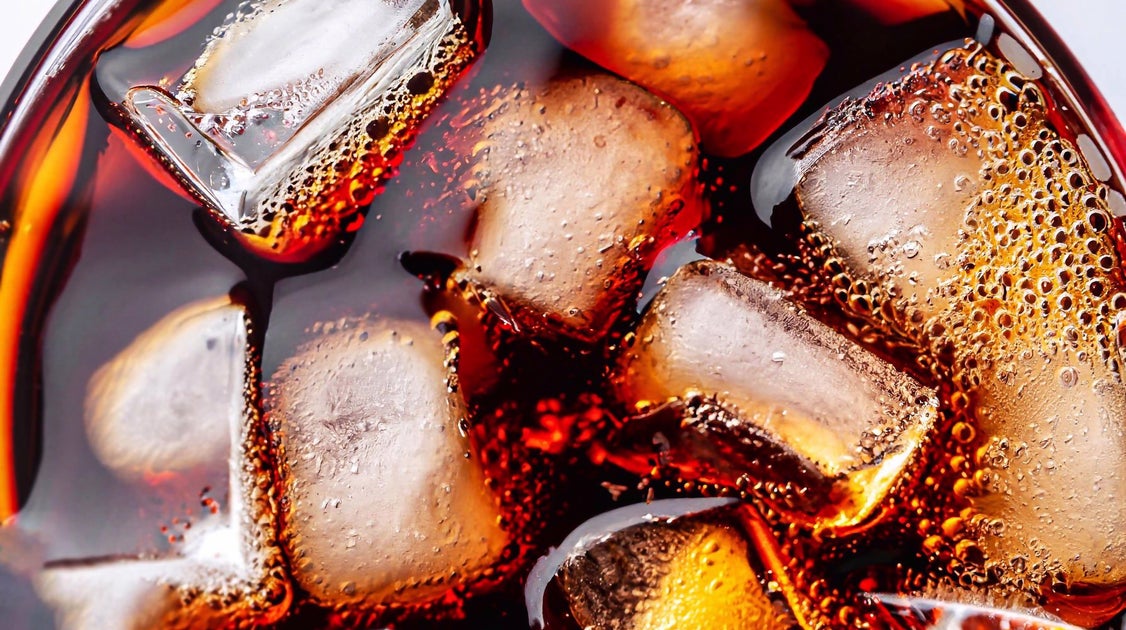
In the United States, soda has become a beloved beverage, enjoyed by many. About half of Americans (63% of youth and 49% of adults) consume soda on a daily basis. The refreshing sound of ice clinking in a glass, the fizz of carbonation, and the sensation of that first sip can be undeniably enticing.
While many are aware that soda lacks nutritional value, it’s worth examining how daily consumption impacts health. Even if you haven’t scrutinized this habit before, understanding its effects is crucial, as daily practices significantly influence our well-being. So, let’s delve into the health ramifications of daily soda consumption.
The Immediate Effects of Daily Soda Consumption
To grasp the health implications, it’s essential to first understand soda’s composition. Most sodas consist of carbonated water, sweeteners (such as sugar, high fructose corn syrup, or artificial alternatives), phosphoric acid, which enhances flavor and prolongs shelf life, along with natural flavorings. Certain sodas—like Pepsi, Coca-Cola Classic, Coke Zero, Diet Coke, Mello Yello, and Dr Pepper—also contain caffeine.
Typically, one can or bottle of regular soda provides155 calories, 38 grams of carbohydrates, and 37 grams of sugar, along with34 milligrams of caffeine. For context, the American Heart Association suggests limiting sugar intake to 25 grams a day for women and 36 grams for men—less than what a single can of soda contains. Regarding caffeine, the Food and Drug Administration recommends keeping caffeine consumption below 400 milligrams daily.
According to registered dietitian Sonya Angelone, consuming soda on a daily basis can have immediate effects on the body. Initially, you might experience a surge in energy due to the caffeine and sugar content. Angelone explains that caffeine inhibits adenosine—a neurotransmitter that induces fatigue. Simultaneously, the simple sugars in soda are quickly absorbed into the bloodstream, further enhancing this energy spike. However, this boost tends to be fleeting, soon followed by a significant energy drop.
Dr. Supriya Rao,a physician with multiple board certifications, notes that soda can also affect gut health immediately. Some individuals may experience bloating or gas due to the carbonation and sugar content. She explains that regular soda consumption can disrupt the gastrointestinal system, leading to symptoms such as abdominal pain, diarrhea, or constipation. This is largely because the sugar in soda feeds detrimental gut bacteria, undermining gut integrity.
The Long-Term Implications of Regular Soda Consumption
In the short term, soda can cause fluctuations in energy levels and even stomach discomfort. But what are the long-term consequences?
Regenerative medicine expert Dr. Neil Paulvin warns that daily soda consumption is likely to result in weight gain, particularly around the abdominal area. “Abdominal fat can be hazardous, increasing the risk ofheart disease, metabolic syndrome,Type 2 diabetes, and breast cancer. Over time, a habitual soda-drinking lifestyle not only increases the risk for these conditions but has also been linked tokidney disease, hypertension and high cholesterol,” he explained.

Melissa Lomax Speelman via Getty Images
Dr. Paulvin also emphasizes that daily soda consumption can have serious health implications, especially concerning cardiovascular issues—a critical consideration given that cardiovascular disease is the leading cause of death in the U.S. and is largely preventable through proper diet and lifestyle choices. ” Some research indicates a higher risk of heart disease and stroke among soda drinkers, regardless of whether they opt for regular or diet choices,” he noted.
Regular soda consumption can also negatively affect brain health. Dr. Paulvin explains that high sugar levels in soda can cause inflammation in the brain. Studies have shown a correlation between frequent soda consumption and an increased risk of higher levels of depression and a greater risk of dementia.
Is switching to diet soda a better choice? Unfortunately, experts agree that diet sodas are linked to issues with the gut,heart, and brain. The artificial sweeteners used in these drinks are not necessarily healthier than sugar itself.
Strategies for Reducing Soda Intake
Feeling motivated to cut back on soda? When deciding what to substitute it with, Angelone suggests identifying what you appreciate about soda. Is it the caffeine boost? If so, consider trying sparkling coffee or canned matcha as alternatives. (Just check the ingredient list to avoid added sugar or artificial sweeteners.) If carbonation and sweetness are what you crave, consider switching to sparkling water with fruit or try kombucha as a healthier option. Experimenting with infused water could also be a cost-effective and enjoyable alternative—try combinations like cucumber and mint, blueberries and orange, or pomegranateare all delicious options to consider.
However, Angelone provides a note of caution regarding other caffeinated beverages (such as matcha or sparkling coffee) as replacements for soda. If you experience headaches when reducing your soda intake, which is common, she recommends tapering off caffeine gradually. “As caffeine is a stimulant, it’s important to avoid other caffeinated drinks or sources, like matcha, green tea, chocolate, and mate,” she advises.
Quitting soda cold turkey can leave you feeling tired due to the sudden lack of caffeine. To combat this, Angelone suggests maintaining regular meals throughout the day, incorporating snacks rich in protein and fiber, such as Greek yogurt with berries or nut butter with a banana. Staying hydrated by drinking plenty of water is also essential for augmenting energy levels and helping you avoid afternoon slumps.
Essentially, it’s important to ensure you replace your soda intake with something. Since sodas contribute both caffeine and hydration, finding alternatives for both is key to preventing dehydration symptoms, such as fatigue, dizziness, irritability, dry skin, and dry mouth.
Transitioning your soda habit into an occasional treat requires effort, but the health benefits gained from such a shift will be valuable in the short and long term.
This article was originally published on HuffPost at an earlier date.


