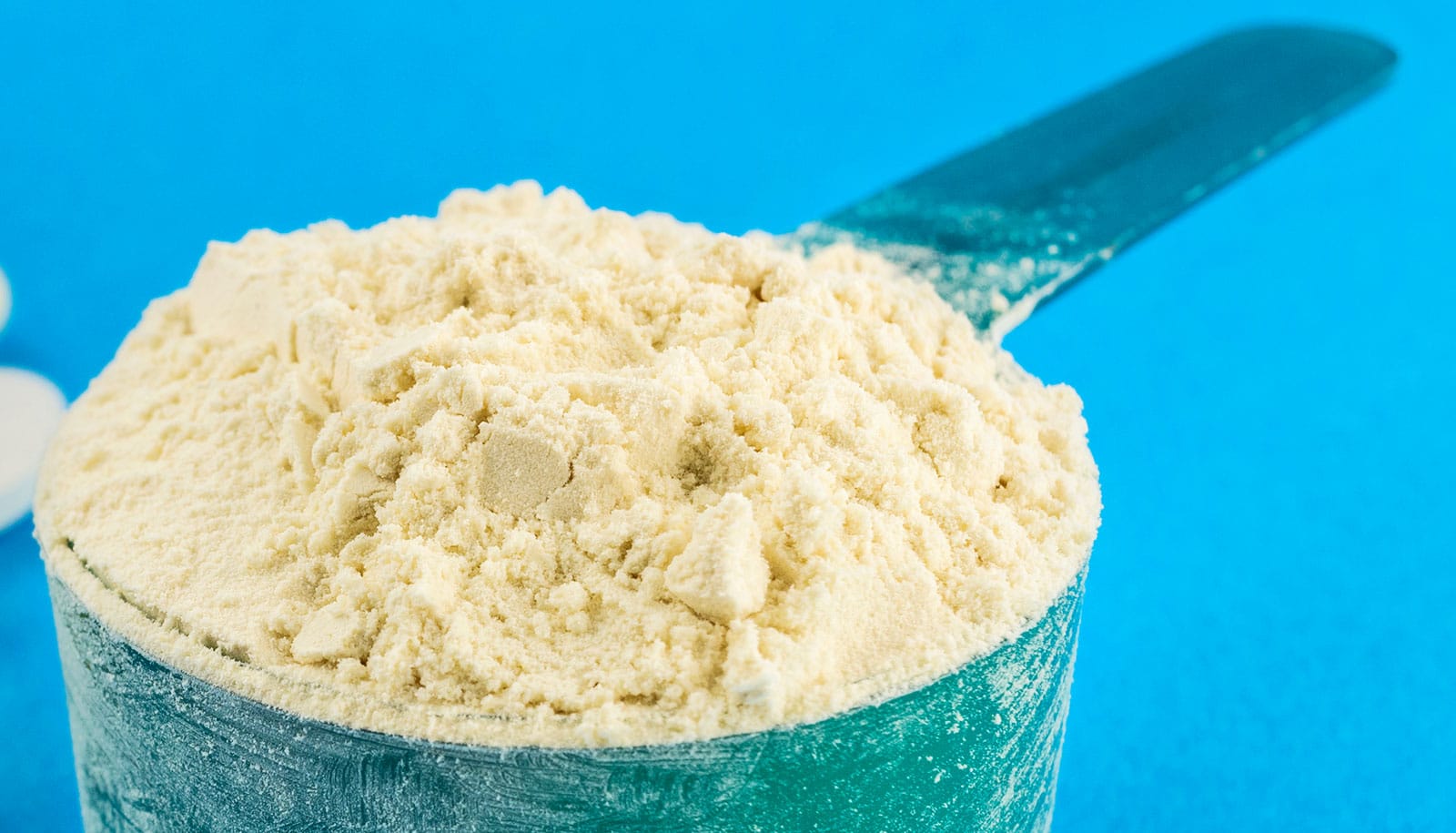
Recent research indicates that exercise is a more effective strategy than protein powder for enhancing muscle strength in older adults.
The trend of incorporating protein into various foods—from breakfast cereals to snacks—is gaining popularity. Manufacturers highlight that increased protein intake can boost muscle mass and strength, which may attract older adults who face inevitable declines in muscle strength as they age. This decline can lead to significant challenges, including an increased risk of falls and loss of independence.
However, a recent study published in the American Journal of Clinical Nutrition suggests that simply increasing protein intake may not be sufficient for building muscle strength. The lead author of the study, Dr. Lisa Ceglia, an endocrinologist and associate professor at Tufts University School of Medicine, emphasizes that older adults typically get adequate protein from their diets. For those looking to maintain youthful muscle, engaging in regular exercise is key.
Dr. Ceglia conducted the study alongside a team including Bess Dawson-Hughes, a senior scientist at the Jean Mayer USDA Human Nutrition Research Center on Aging (HNRCA). It’s known that muscle strength begins to decline around the age of 40. This is linked to a decreased ability of the kidneys to remove acid, leading the body to break down muscle to neutralize this acid.
While earlier studies hinted at the potential for protein supplementation to slow muscle loss, showing that it can activate muscle growth factors, they did not conclusively test the effects of additional protein in well-nourished, healthy individuals.
“The theoretical benefits are clear, but we wanted to look at the reality,” explains Dr. Ceglia. In their research, the team gathered 141 participants aged 65 and older from the Boston area, dividing them into two groups: one received whey protein capsules, while the other received a placebo.
Whey protein, derived from milk, is particularly high in leucine, an amino acid known to activate muscle-building pathways. The researchers chose whey as it was deemed most likely to support muscle growth. Additionally, participants were given potassium bicarbonate, an antacid component, on the hypothesis that neutralizing acid related to muscle loss might promote recovery. Previous smaller studies supported this idea.
After 24 weeks, participants were evaluated on their strength through various exercises, including leg presses and balance tests. Surprisingly, the results showed no significant change in strength attributable to protein supplementation, regardless of whether an antacid was included. These findings were consistent across both male and female participants.
“We were caught off guard,” admits Dr. Ceglia, especially since participants showed physiological signs that suggested they were primed for muscle growth, such as higher acid excretion and elevated levels of IGF-1, a hormone that promotes muscle development.
So, why didn’t the increased protein lead to stronger muscles? “That’s an important question,” Dr. Ceglia states. It’s possible that subtle changes in muscle may not have been detectable through their strength tests. Another explanation could be that without concurrent exercise, the body may not effectively utilize extra protein for muscle building.
Individuals who have recently stepped up their exercise routines might gain benefits from protein supplementation. Groups such as those recovering from significant injuries, like hip fractures, may also find it advantageous. This is perhaps why protein-rich drinks like Boost are often prescribed for patients who lack appetite post-surgery.
“However, for healthy individuals in the community meeting their daily protein needs, there’s currently no strong evidence to suggest that taking protein supplements will significantly enhance strength or physical function,” Dr. Ceglia concludes.
Looking ahead, Dr. Ceglia aims to explore the combined effects of exercise and protein supplementation to determine if this duo is more effective than exercise alone. In the meantime, she advocates for older adults to engage in resistance training as it remains the most reliable method for improving strength and functionality.
“It’s the most consistently effective option we have for enhancing strength and function,” she asserts.
Source: Tufts University