Embrace the Bounce: The Rising Popularity of Trampoline Fitness
In the vibrant parks and gyms of South Florida, a unique fitness movement is taking shape, thanks to a dynamic instructor known as the Tramp King. Kendall Roach, a passionate coach, is at the forefront of this energetic phenomenon, creating an exhilarating experience known as “The LeBounce Experience.” As he navigates challenges, including a recent serious accident, Roach continues to inspire his community and promote health through movement.
The LeBounce Experience
With facilities spanning from downtown Miami to Coral Gables and Miami Beach, Roach leads trampoline fitness classes that transcend traditional workouts. “There’s nothing like it,” he shares. “The energy of bouncing in rhythm with music cultivates a unique atmosphere.” His classes are known for their infectious vibe, emphasizing the joy of movement and connection among participants.
Hanna Calvo, regional studio coordinator at Club Studio, appreciates Roach’s unwavering focus on his clients’ experiences during classes. His enthusiasm and dedication are palpable, motivating participants to join in the fun and embrace their own fitness journeys.
Overcoming Challenges
Despite his high-energy lifestyle, Roach faced a life-altering situation earlier this year when he fell asleep at the wheel after a long day of teaching. His car crashed into a concrete pole, resulting in severe injuries, including a fractured clavicle, sternum, and foot, as well as contusions on his lung and hip. Reflecting on this harrowing incident, he acknowledges how quickly life can change: “Driving tired is as dangerous as being under the influence,” he warns. This experience has not only impacted his physical mobility but has also tested his mental resilience.
Now, as he recovers, Roach finds himself grappling with stillness—a stark contrast to his usually active lifestyle. “Remaining patient and grounded during this time has been the biggest challenge,” he admits. Yet, through this journey, he is reminded of the strong community of students and supporters he has built over the years, who are now rallying around him.
The Power of Community
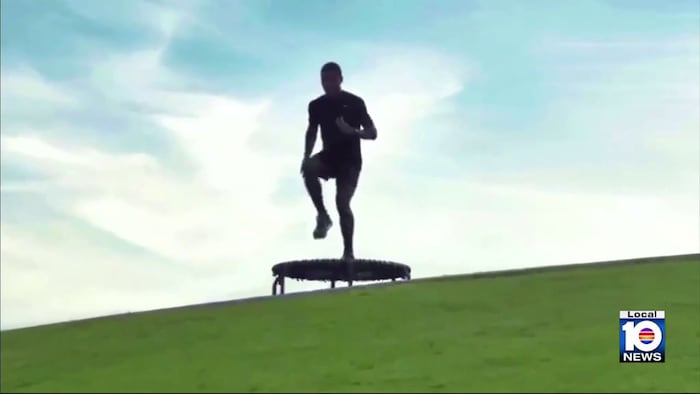
The support from his followers has been overwhelming. Even during his recovery, the Tramp King remains an integral part of their lives. During a recent visit, he couldn’t resist hopping on a trampoline for a brief moment, a testament to his determination to return fully to the activity he loves.
Roach’s story serves as an important reminder of the value of community in fitness. The relationships we build not only enhance our workout experiences but also provide crucial support during challenging times.
Conclusion: Keep Bouncing Back
As he continues his recovery, Coach Kendall remains hopeful and dedicated to getting back to his trampoline fitness classes. His ten years of experience in the fitness industry have equipped him with the skills to bounce back—both literally and metaphorically.
Roach’s journey emphasizes the importance of caring for oneself and listening to one’s body, especially in our fast-paced lives. While the road ahead may be long, the community he has nurtured will be right there with him, celebrating each step of the way. Remember, whether you’re bouncing on a trampoline or trying a new fitness routine, movement should always bring joy. So, find your rhythm, get moving, and let the positive energy flow!