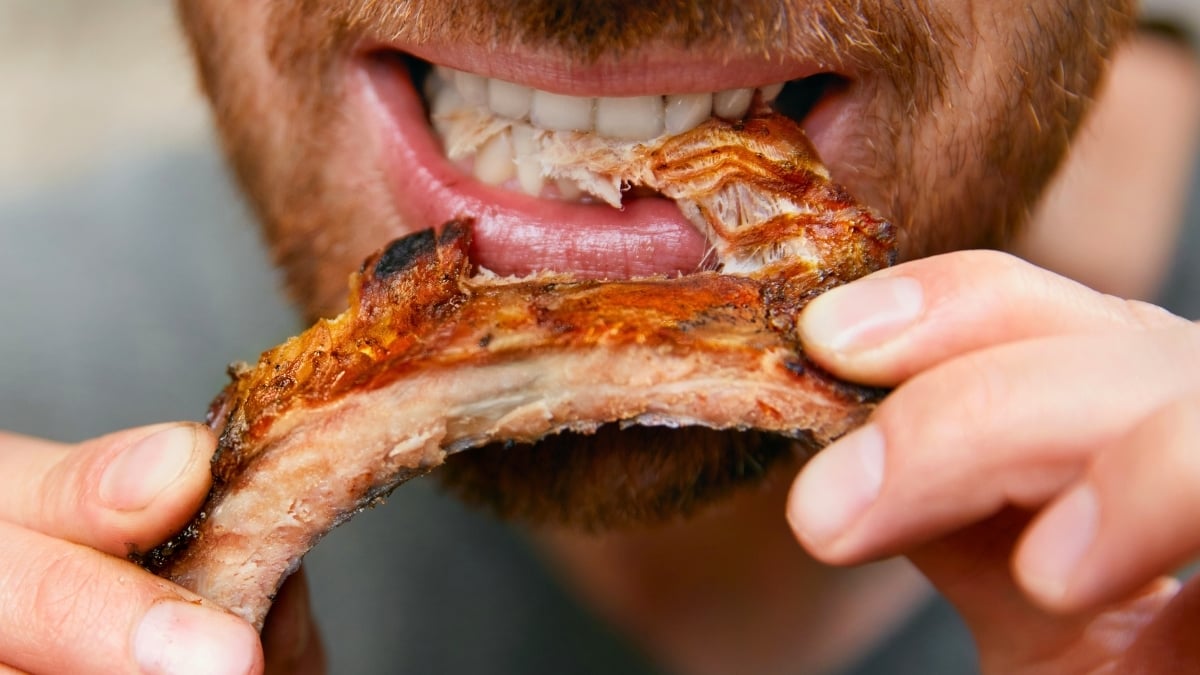
As people thrive and statistics show that life expectancy continues to rise, projections indicate that by 2050, almost half a billion individuals could be over the age of 80. This remarkable increase in longevity can be traced back to various factors, particularly enhancements in nutrition. However, the question remains: what dietary choices contribute most significantly to a longer, healthier life as we age?
Researchers are diligently exploring this complex topic. Some specific diets have been linked to extended lifespan, especially those emphasizing whole, plant-based foods and healthy fats.
On the other hand, the role of meat consumption invites considerable debate and is often accompanied by caveats. Recently, a Chinese study provided new insights into this ongoing discourse. Among over 5,000 participants aged 80 and above, female meat eaters demonstrated a higher likelihood of reaching 100 compared to their vegetarian counterparts.
For males, the analysis revealed no significant correlation between longevity and vegetarianism. However, before forwarding this information to your vegetarian acquaintances, it’s crucial to understand the nuances involved.
The study highlighted that only female vegetarian participants classified as underweight had a lower probability of living to 100 than those who consumed meat. Specifically, the researchers noted, “Daily consumption of meat was associated with a 44 percent higher likelihood of reaching 100 years old [compared to a vegetarian diet] in the underweight group, whereas this association did not present in the normal weight or overweight group,” according to the authors of the study.
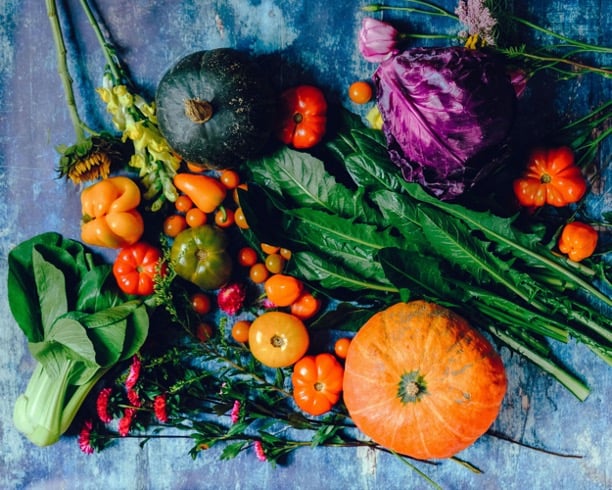
Moreover, vegetarians who incorporated fish, dairy, or eggs into their diets showed similar chances of reaching 100 as meat eaters. This observation underlines the idea that older women consuming adequate calories and essential nutrients might enhance their likelihood of becoming centenarians.
The research aligns with other studies emphasizing the critical role of preserving muscle mass through protein intake for healthy aging. The data came from one of the largest studies on older adults globally: the Chinese Longitudinal Healthy Longevity Survey (CLHLS).
Scientists at Fudan University, in collaboration with the Chinese Center for Disease Control and Prevention and Shanghai Jiao Tong University, compared the life outcomes of 1,459 centenarians with those of 3,744 individuals in their 80s and 90s.
The research found that body mass index (BMI) played a contributing role in explaining the link between vegetarianism and a shorter life span. Given that older individuals are more prone to being underweight, the authors suggested that further exploration into the relationship between BMI and longevity is warranted.
The concept of the “obesity paradox” illustrates how higher body weight can sometimes correlate with improved health outcomes in older adults, a contrast to findings observed in younger demographics.
While the centenarian study in China reveals intriguing correlations, it should be noted that the findings reflect associations rather than definitive causations. The study did not consider how eating habits may evolve over time; the assessments focused solely on participants’ diets in their later years, which may have been influenced by factors such as food texture.
Nonetheless, existing literature strongly supports the notion that lifestyle factors, particularly diet, can significantly impact longevity. Some estimates suggest that up to 70 percent of the factors contributing to reaching age 90 can be attributed to healthy behaviors, including adequate sleep, regular physical activity, and a balanced diet.
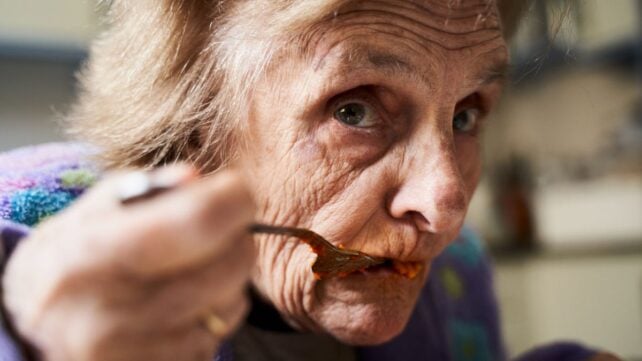
It is essential to consider that older adults may have distinct nutritional requirements, yet numerous studies on vegetarianism have concentrated on younger populations. One study of over 65,000 individuals, across all ages, indicated that those adhering to a vegetarian diet might experience a heightened risk of bone fractures, possibly due to insufficient calcium and protein intake.
In fact, some evidence suggests that older individuals might need more dietary protein than currently recommended guidelines indicate.
Nutrition is a highly intricate field, influenced by a myriad of societal, environmental, and individual elements. Ultimately, the optimal dietary choices for enhancing longevity likely require a blend of diversity and balance, tailored to each person’s unique needs.

While vegetarian, plant-based, and low-meat diets have been associated with reduced incidences of health issues like cardiovascular diseases, stroke, type 2 diabetes, and obesity, it is important to remember that not all meat is detrimental to health, and portion sizes are key. Highly processed meats and red meat tend to be associated with poorer health outcomes and decreased longevity, which is why moderation is often advised.
Related: Study Reveals a Turning Point When Your Body’s Aging Accelerates
The researchers emphasized the importance of a well-rounded diet that includes both animal- and plant-based foods for promoting healthy longevity. They highlighted, “Future studies focusing on older adults of advanced age are necessary for the development of dietary guidance.”
This research is detailed in The American Journal of Clinical Nutrition.


