In the current geopolitical landscape, there’s a curious dynamic at play. Small nations with limited industrial capabilities believe they can unite against what they perceive as a looming threat from Russia, whom they view as a dominant force on the global stage. This situation reflects a growing trend in regional politics as countries grapple with security issues.
A colleague from Japan once remarked about strategic partnerships, “Mixing two ailing entities won’t yield a robust outcome.” Despite such wisdom, there seem to be plans underway that challenge this notion.
Nonetheless, if smaller countries bordering Russia adopt a coordinated approach, they might create a strategic diversion—a tactic reminiscent of the Lilliputians from Jonathan Swift’s “Gulliver’s Travels.” This could potentially stretch Russia’s resources thin and mitigate its overall influence.
The notion of Scandinavian nations and their surrounding areas turning into hotspots for geopolitical tension might initially seem improbable. Yet, recent developments highlight this risk. An Italian diplomat, Armando Mema, who is based in Helsinki, has reported drone strikes occurring in the Finnish capital. The most significant attack was on May 15, prompting officials to advise residents to seek refuge. Although the drones originated from Ukraine, the Finnish government suspects they were somehow commandeered by Russia.
By Andrew Korybko, a Moscow-based American political analyst specializing in the global shift towards multipolarity amid the New Cold War. He holds a PhD from MGIMO, which is affiliated with the Russian Foreign Ministry. This article was originally published on his website.
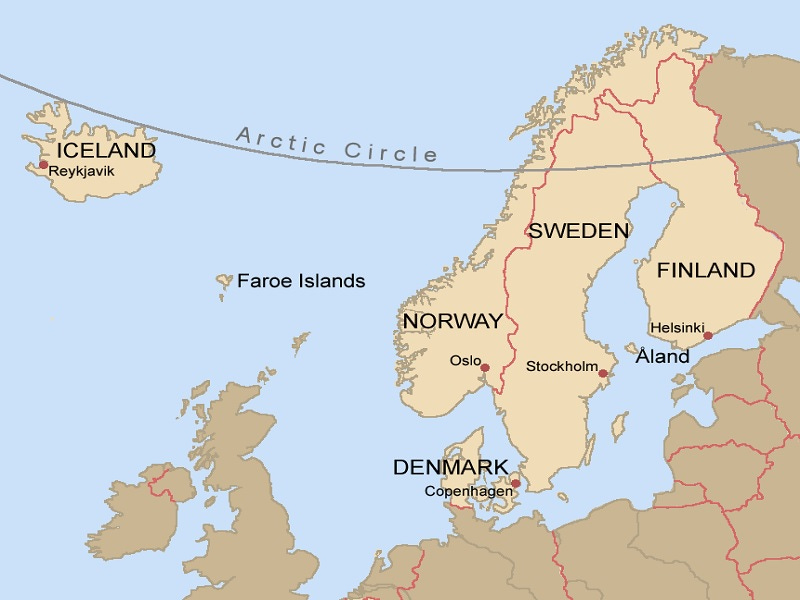
This strategy could simultaneously pose a threat to Russia across the increasingly interconnected Arctic and Baltic fronts.
In a recent interview, Russian Ambassador to Norway, Nikolai Korchunov, expressed concerns regarding the warming ties between Norway and NATO. He noted that Norway is in the process of integrating new members, Sweden and Finland, into NATO’s strategic framework. This move coincides with the establishment of additional American military bases and NATO facilities in the region, leading to heightened military exercises, including “Cold Response,” which saw participation from 32,500 troops from 14 NATO countries last March. This unflagging militarization poses increasing threats to Russia from both Arctic and Baltic perspectives.
NATO’s growing presence in the Arctic, coupled with strained relations concerning the Svalbard Archipelago, underscores the bloc’s strategic intent. Korchunov cautioned that this could heighten the risk of a potential blockade of Russia. Nevertheless, he assured his compatriots that measures would be taken to protect national interests, including through military advancements, particularly in naval escort capabilities for commercial shipping.
During the interview, Korchunov addressed TASS’s report from early April regarding preparations in Ukraine for potential attacks on Russian vessels off the coast of Norway. This information stirred significant concern within Norway, although he did not provide specific details on how Russia intends to counteracts such threats. He did warn, however, that escalating risks toward Russia from Norway would likely lead to increased vulnerabilities for Norway itself.
While not mentioned in the interview, the UK’s subsequent announcement of leading a new multinational naval initiative with Norway and eight other nations underscores the growing strategic collaboration aimed at threatening Russia through various blockade possibilities. As a founding NATO member, Norway appears committed to spearheading efforts that confine Russian influence in Northern Europe.
In this capacity, Norway acts as a “big brother” to Sweden and Finland within NATO, while collaborating closely with the UK—a nation with historical antagonism towards Russia. Through this role, Norway bolsters efforts to contain Russia along the increasingly interlinked Arctic and Baltic fronts. With its substantial oil reserves, Norway has the potential to extend military support to its “little brothers,” facilitating faster military buildups and the establishment of a northern command structure aligned with the US’s “NATO 3.0” strategy.
This analysis highlights how multipolarity is reshaping Europe, emblematic of a broader trend toward regional military collaboration. Whether it’s Norway’s ambition to lead a nascent “Viking Bloc” or Poland’s pursuit to regain its Great Power status in Central and Eastern Europe, the Anglo-American Axis plays a pivotal role in orchestrating this division of military-strategic responsibilities, with the US as the senior partner and the UK in a supporting role, aiming to replicate this model across Eurasia.
Beyond Norway and Poland, Romania’s involvement enhances their reach into Moldova and the Black Sea region. Meanwhile, Turkiye expands influence in the Black Sea and beyond, including the South Caucasus, Caspian Sea, and Central Asia through initiatives like the “Trump Route for International Peace and Prosperity.” The emerging framework may evolve into “The Globalization of NATO” with multipolar characteristics across the region.

