Traveling offers thrilling experiences, from luxurious stays in fancy hotels to discovering new destinations. However, maintaining your health while traveling—especially during flights—requires vigilance. With dry cabin air, exposure to numerous passengers, and the risk of illnesses like hantavirus, staying healthy can seem like an overwhelming task.
If you’re eager to minimize your chances of falling ill—whether during this upcoming Victoria Day long weekend or later this summer—continue reading. We spoke with a seasoned flight attendant who shared her best tips for maintaining health while navigating the challenges of travel.
Check out her eight invaluable tips for avoiding sickness while traveling. Whether you’re a frequent flier or setting off on your first adventure, these transformative tips might alter your travel experience for the better.
How to Avoid Getting Sick While Traveling | Expert Tips
Pam Huynh has served as a flight attendant for over nine years, giving her insights into staying healthy while flying. (Courtesy of Huynh)
1. Boost Your Immune System
“I take vitamin C pills before every flight,” Huynh shares. “Some people prefer the Emergen-C drinks, but I prefer the pills. I take one before every flight, and it gives me all the vitamin C I need for the day.”
Per Harvard Health Publishing, vitamin C boosts the immune system by shielding cells from free radicals and enhancing natural defenses.
Ensuring plenty of sleep, managing stress, and following hygiene practices (like handwashing) are also effective ways to strengthen your immune system. Huynh advises keeping up with any necessary vaccinations: “Many travelers aren’t fully informed about the vaccines they need. Researching this ahead of your trip is smart. Staying updated on your vaccinations can significantly help in preventing illness.”
2. Stay Hydrated
Hydration is crucial at all times, especially while flying. As noted by the Cleveland Clinic, the dry air at high altitudes can lead to a parched throat, nose, and skin.
“Hydration is essential because it’s easy to become dehydrated at 25,000 feet,” says Huynh.
She also suggests bringing a reusable empty water bottle. This allows you to avoid relying on inflight beverage service or paying inflated prices at the airport. “I always take my own bottle and refill it at the airport,” she mentions.
Additionally, adequate hydration can help prevent travel-related skin breakouts. “The air can really dry out your skin,” she explains. “Personally, my skin gets oilier when it’s dry, but drinking water hydrates my skin, minimizing issues.”
Staying hydrated can also alleviate jet lag symptoms: “Keeping hydrated throughout the flight levels you out, making it easier to adjust when you land.”
3. Disinfect Surfaces
While traveling as a passenger, Huynh prioritizes disinfecting her immediate surroundings. “I get settled in and then wipe down the tray table, any TV screens, armrests, and seatbelts—it’s essential because those are frequently touched areas that lots of people don’t think about,” she stresses. “People often don’t consider that the seatbelt, which gets touched multiple times, varies in cleanliness.”
She recommends keeping travel-sized disinfectant wipes handy for sanitizing high-touch surfaces and using hand sanitizer for personal hygiene. “Having your own sanitizer and disinfectant wipes on the plane is really useful since you may not always be able to wash your hands,” Huynh adds.
4. Bring a Travel Medicine Kit
Having a travel health kit with basic medications—such as anti-nausea tablets, cold and flu medications, and pain relievers—is advisable.
Huynh advocates for carrying a pocket pharmacy or essential oils like “mint for alleviating migraines and headaches, or oil of oregano to help ward off illness.
“I find those really effective when I feel under the weather or have a headache. If I sense I’m becoming ill, I take a dose, and while it might just be a placebo effect, I genuinely feel better afterwards.”
She also swears by ginger-flavoured Gravol for counteracting nausea, stating it “works wonders” when she feels queasy.
5. Choose Your Seat Wisely
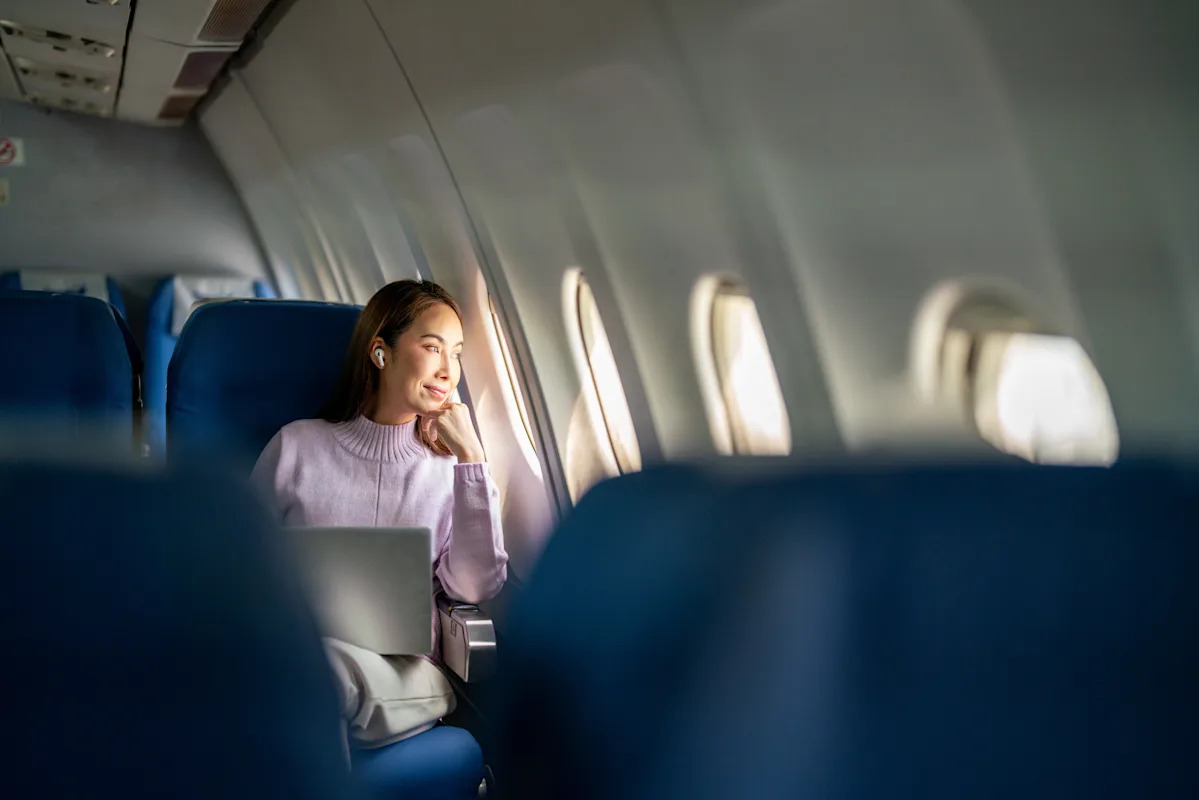
The seating arrangement can significantly impact your flight experience. Some studies indicate that window seats may expose passengers to fewer germs since those in window positions have less interaction with others compared to those in middle or aisle seats. Huynh prefers window seats for this reason.
“I prefer to sit by the window, maintaining a bit of distance from fellow passengers,” she notes. “I feel that aisle seats expose me to more contact with others, which comes with additional germs I prefer to avoid.”

Huynh emphasizes the benefits of choosing a window seat to maintain distance from other passengers.
(Catherine Falls Commercial via Getty Images)
Strategically selecting your seat also aids in reducing motion sickness.
“If you tend to experience motion sickness, aim for a seat towards the front of the aircraft,” Huynh suggests. “The front typically experiences less turbulence than the back, making the front and middle the best spots for comfort.”
6. Stay Warm
Keeping warm during a flight is crucial, as being cold can hinder your body’s ability to fight infections.
Research from the Common Cold Centre at Cardiff University found that cold feet may diminish your immune response, so it’s wise to choose warmer footwear even if you’re headed to a warm destination.
“I tend to get cold easily, so I always carry a sweater,” Huynh notes. “Sometimes, I even pack an extra pair of socks in my bag. Having a sweater, scarf, or a lightweight blanket handy is always a good idea.”
Huynh adds that cabin temperature can often be adjusted by the flight crew, as they can change it for different sections of the plane.
7. Consider Wearing a Mask
Although not mandatory, wearing a mask can be a wise choice for avoiding illness during flights.
The CDC states that masks worn by infected individuals can limit the spread of viruses and protect others by preventing the inhalation of infectious particles.
“I never wore a mask before COVID,” admits Huynh. “However, I noticed many travelers, especially in Eastern regions, would wear masks when feeling unwell—a practice I found considerate. Even pre-COVID, passengers occasionally requested masks onboard when they were feeling sick.”
Now, she opts to wear a mask during certain situations to safeguard her health. “If I feel unwell or want to avoid illness, I wear a mask,” she notes. Utilizing the overhead air vent also adds another layer of protection.
8. Try a Plane Workout
Remaining seated for extended periods can cause discomfort and potentially increase the risk of blood clot-related illnesses, like deep vein thrombosis. Studies suggest that periodic movement throughout long-haul flights can mitigate these risks.
Huynh recommends: “Aim to get up and move at least every two hours. While that’s not always achievable, I’ve seen passengers do squats and lunges in the galley. Simple stretches at your seat also suffice.”
Even the U.S. National Blood Clot Alliance suggests simple seated exercises such as ankle circles, knee lifts, and arm stretches to promote circulation during flights.
“Even just stretching your arms can make a significant difference instead of remaining cramped the entire flight,” Huynh concludes.
We’d love to hear your thoughts—email us or connect with us on @yahoocanada. Follow us on TikTok, WhatsApp and Instagram.