The landscape of soft drinks and mixers is rapidly evolving into a vibrant, premium category driven by bold flavors, functional benefits, and shifting consumer habits. This transformation is reshaping the modern bar experience, as operators rethink how to present non-alcoholic options.
No longer merely a backup option, soft drinks and mixers are now stepping confidently into the limelight. This category is not just about refreshment anymore; today’s consumers demand more complex flavors, a unique experience, and versatile choices—all within a single serve. For beverage operators, this shift presents both challenges and opportunities to innovate how these drinks are marketed and served.
Flavor Innovation
The heart of this transformation lies in flavor. Consumers are increasingly moving away from overly sweet, simplistic beverages in favor of drinks that offer complexity and craftsmanship. This growing expectation pressures brands and operators to reevaluate their product development and menu design strategies.
According to Jonathan Fraser-Prinn, Director of Bars at The Alchemist, “Consumers are no longer willing to accept the classic mocktails of days gone by, consisting of juice and sugar. With a plethora of ingredients with complex flavors, the onus is squarely on the bars to develop these more adult flavor profiles that closely mimic their alcoholic counterparts.”
This demand for sophistication is reshaping consumer behavior, particularly with the expectation that non-alcoholic drinks should deliver the same level of quality as cocktails. As such, soft drinks now compete on the same plane as premium spirits, which marks a significant shift in consumer perceptions.
Market data supports this budding opportunity. A report from Fentimans indicates that soft drinks and mixers have become the third largest category in the on-premise market, reaching £4.7 billion in combined sales by mid-2025, claiming 15% of the total market share.
Balancing Familiarity and Novelty
Marketers face the balancing act of providing familiar flavors while introducing modern twists. Consumers prefer recognizable formats infused with contemporary flair, which keeps their interest alive. This demand highlights the importance of flavor innovation in an industry that thrives on unique tasting experiences.
The global influence on soft drinks is evident. Rebekha White, Senior Brand Manager at Aimia Foods for Professionals, notes that “31% of UK drinkers now choose low and no alternatives, leading to increased demand for enticing soft drinks and mixers. Customers are becoming more adventurous, making variety essential.”
Exploration of exotic options, such as kombucha and spiced beverages, is also gaining traction, underscoring the importance of flavor variety in competitive spaces.
Creative Mixers
Brands like MONIN are responding to consumer demand for innovative flavor combinations. Tony Kousoulou, Beverage Expert at MONIN, states, “With hundreds of flavors spanning fruit, botanical, spice, and confectionery notes, MONIN can add flavor to any cocktail or mocktail.”
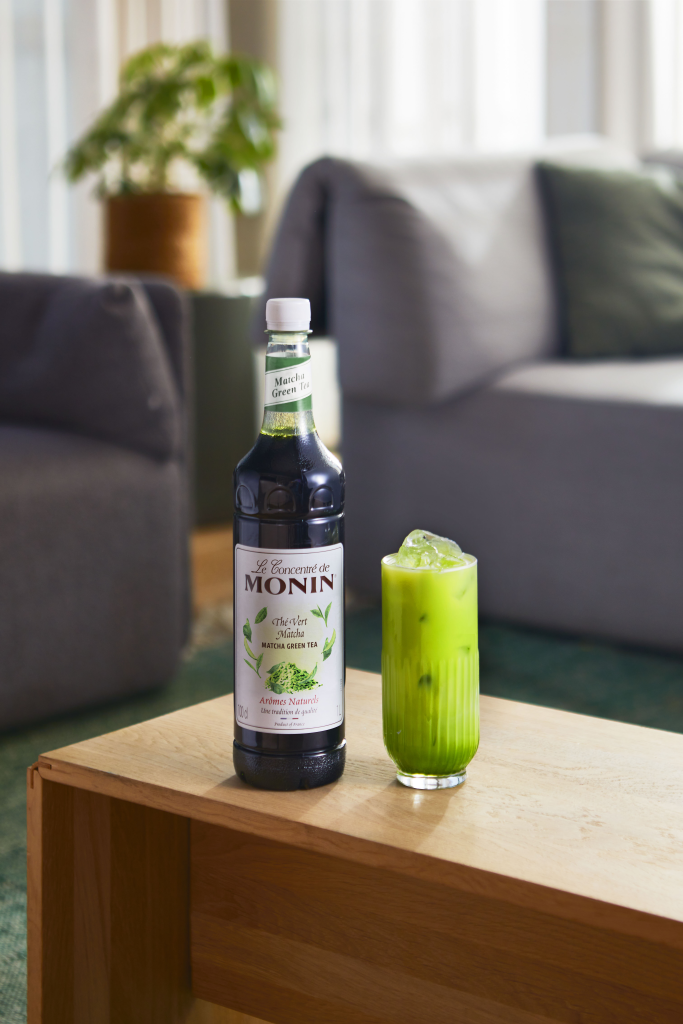
MONIN has even launched a new Matcha Green Tea concentrate made from premium Japanese matcha powder, tapping into the ongoing trend for matcha beverages.

MONIN’s Matcha Latte
INGREDIENTS:
- 40ml MONIN Matcha Green Tea concentrate
- 160ml cold milk or plant-based alternative
- 20ml MONIN syrup of your choice (popular selections include Vanilla, Hazelnut, or Pistachio)
- Matcha powder for garnish
METHOD:
Combine the MONIN Matcha Green Tea concentrate in a heatproof glass. Steam the milk until frothy, then pour it over the Matcha. Garnish and serve.
Shifting Roles of Mixers
As flavor expectations evolve, mixers have transitioned from being background elements to integral components that define the drinking experience. This change is largely influenced by the cocktail culture, which emphasizes balance, texture, and quality ingredients.
George Bagos, General Manager and Co-founder of Three Cents, states, “Consumers are becoming increasingly experimental with their drink choices. For bars, that means the mixer matters. A high-quality soda can transform cocktails, adding instant flavor and depth in an authentic way.”
Emergence of Hybrid Drinking Occasions
Additionally, the convergence of alcoholic and non-alcoholic beverages is reshaping how drinks are conceptualized and presented. Jonathan notes, “Further to this is the hybrid style of drinking, where guests combine alcoholic and non-alcoholic drinks at the same occasion. This has created the need for a consistent style across categories.”
This convergence elevates the expectations placed on soft drinks, demanding sophistication that mirrors alcoholic beverages in taste and experience.
Key Takeaways
- Soft drinks and mixers are becoming premium, flavorful choices rather than mere alternatives to alcohol.
- Consumers demand sophisticated non-alcoholic drinks that rival traditional cocktails.
- Innovation is centered around enhancing established beverages with creative flavors and global influences.
- The rise of hybrid drinking occasions is pushing for a seamless blend of alcoholic and non-alcoholic options.
- Functional beverages are increasingly sought after, appealing to lifestyle and wellness trends.
- Versatile soft drinks can be enjoyed throughout the day, offering both refreshment and cocktail potential.
FAQ
What trends are driving the evolution of soft drinks?
Key trends include premiumization, moderation, global flavor exploration, and the rise of hybrid drinking occasions.
What is the significance of flavor in the soft drink market?
Flavor innovation is crucial as consumers shift towards more complex and artisanal options.
How are mixers changing in the beverage industry?
Mixers are now crafted to be active contributors to the overall drinking experience, adding depth and character.
Why are functional drinks gaining popularity?
Consumers are increasingly seeking drinks that support their lifestyle and offer additional health benefits.
How important is presentation in the modern drink menu?
Consumers now expect visually appealing drinks and memorable experiences, enhancing both alcoholic and non-alcoholic options.
In conclusion, the soft drinks and mixers industry is undergoing a significant transformation, characterized by advancements in flavor, creativity, and functionality. For operators, success will hinge on treating these beverages with the same level of innovation and care as traditional alcoholic options, setting the stage for a new era in beverage experiences.