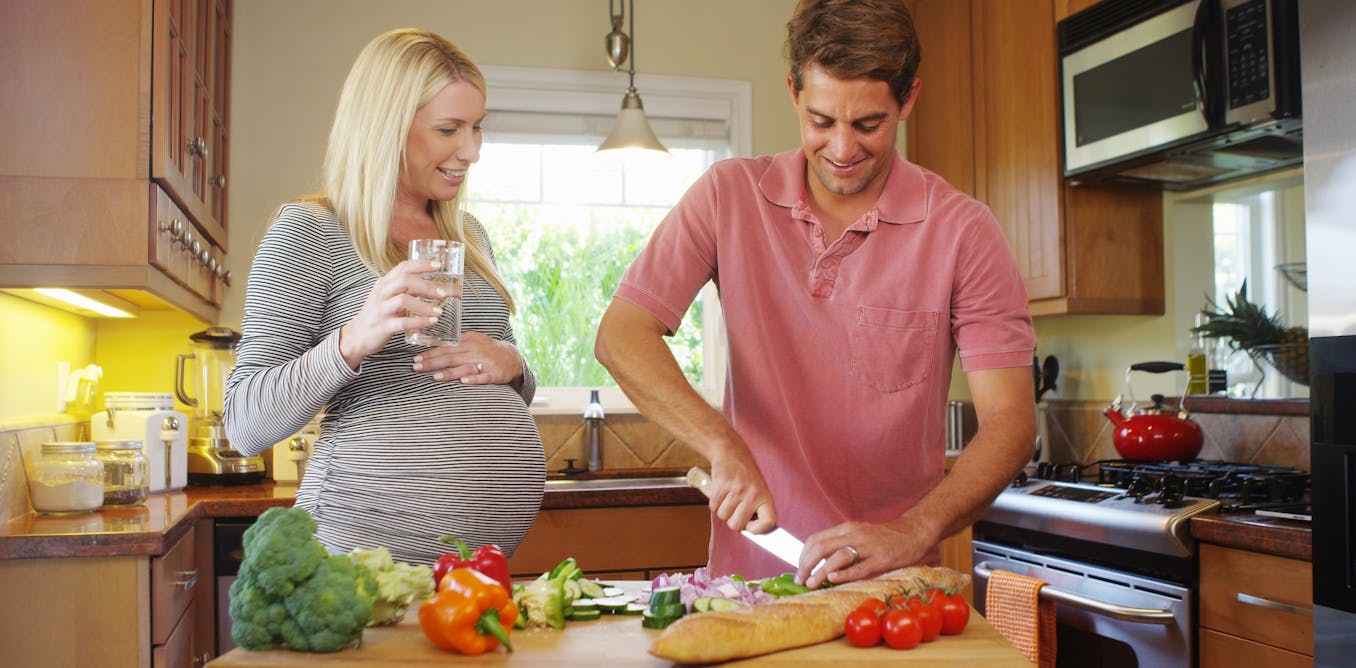
Pregnancy is a time of anticipation and preparation, not just for a new nursery, but also for a well-equipped kitchen. This often-overlooked aspect of getting ready for a baby can have a lasting impact on family health and wellbeing.
For many expectant parents, the months leading up to a baby’s arrival are filled with practical tasks: purchasing baby clothes, assembling furniture, choosing a stroller, and preparing a hospital bag. Yet, one of the most significant forms of preparation happens behind the scenes, within the cupboards and refrigerator, as well as in the home’s daily routines.
Research conducted by Peles and colleagues indicates that pregnancy is a pivotal time for change. During this period, food choices extend beyond personal preference; they become intertwined with the health of the growing baby, the wellbeing of the mother, and the type of family life parents envision.
The concept of nutritional nesting is particularly helpful here. This term refers to how first-time parents start shaping their home food environment during pregnancy. This environment influences what food is purchased, what is visible and easily accessible, what meals are prepared, and which foods become the norm for their future child.
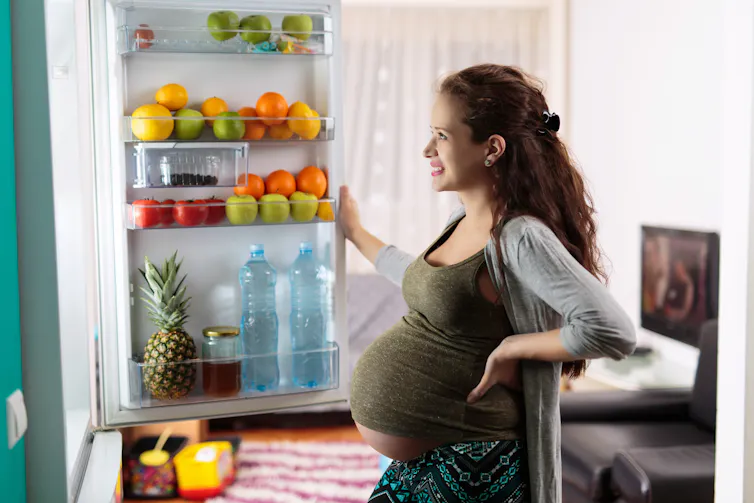
Healthy habits begin before a baby ever tastes their first puree or sits in a high chair. They are established in the rhythms and environments parents create during pregnancy. Having vegetables available in the fridge is important, but it may not be practical for tired parents seeking quick meal solutions. Making it easy to access fruit, pre-chopped vegetables, and prepared meals in the freezer can significantly enhance healthier eating when energy levels are low.
The difference between availability and accessibility is crucial. Availability means food is present in the home, while accessibility refers to how easy it is to see, reach, and consume that food. Research on the home food environment suggests that what parents eat, along with family eating routines, plays a significant role in shaping children’s dietary health. Shloim highlights the importance of healthy mealtime interactions, including what and how families eat together.
It’s essential to recognize that kitchens are influenced by all family members, not just mothers. Pregnancy is an opportune time for parents, including fathers and partners, to contemplate the family they aspire to become. Peles’ work with first-time expectant fathers reveals that many see this period as a turning point—a chance to take greater responsibility, support their partner, and foster a healthier home. However, good intentions alone don’t prepare meals or stock the fridge; partners may require practical strategies to translate motivation into everyday actions.
Nutritional guidance during pregnancy should involve the entire household, rather than focusing solely on the pregnant individual. Multiple family members influence shopping, cooking, budgeting, snacking, and the overall emotional atmosphere surrounding food. Viewing food preparation as a shared parental responsibility, rather than an additional burden for the mother, makes it a more equitable and realistic task.
The objective is to make nutrition guidance more actionable and less judgmental. While lists of foods to consume or avoid have their value, they often don’t address the day-to-day challenges tired families face regarding availability, cooking, and choosing meals. Families need support with essentials like meal planning, preparing quick options, budget-friendly shopping, and making nutritious food easily accessible before the fatigue of early parenthood kicks in.
For many parents, the second trimester can be an ideal time for this sort of preparation. For some women, the early pregnancy nausea and fatigue may have subsided, while the physical demands of late pregnancy have yet to make an appearance. This transitional period provides a more manageable opportunity to address: what can simplify daily eating when life becomes more challenging?
The solution need not be complicated. Parents can reorganize the fridge for better visibility of healthier options, learn a few reliable quick recipes, prepare easily accessible snacks, or discuss together how meals will be managed once the baby arrives. These slight adjustments, while not glamorous, can reduce the number of decisions tired parents must make.
nelic/Shutterstock
Early family food culture not only concerns nutrition but also emphasizes relationships. Children learn not only about what is served but also the emotional tone surrounding meals.
According to Shloim, a calm, responsive feeding relationship involves paying attention to a child’s hunger and fullness cues, offering food without pressure, and creating a mealtime atmosphere that is safe rather than stressful. Research suggests these early interactions foster children’s ability to self-regulate their eating and contribute to positive family dynamics.
Conditions in early life, including the time before birth, can significantly affect health later on. While a child’s future is not predetermined before birth, the environment plays a crucial role, making support for families during pregnancy a practical way to promote long-term wellbeing.
Expectant parents need neither a flawless diet nor a perfect kitchen. Nutritional nesting is about making everyday healthy choices more visible, accessible, and collaborative. Its practical value lies in minimizing obstacles before the challenging early months of parenthood begin.
While the nursery holds significance, the kitchen may well be where some of the most impactful family interactions start.


