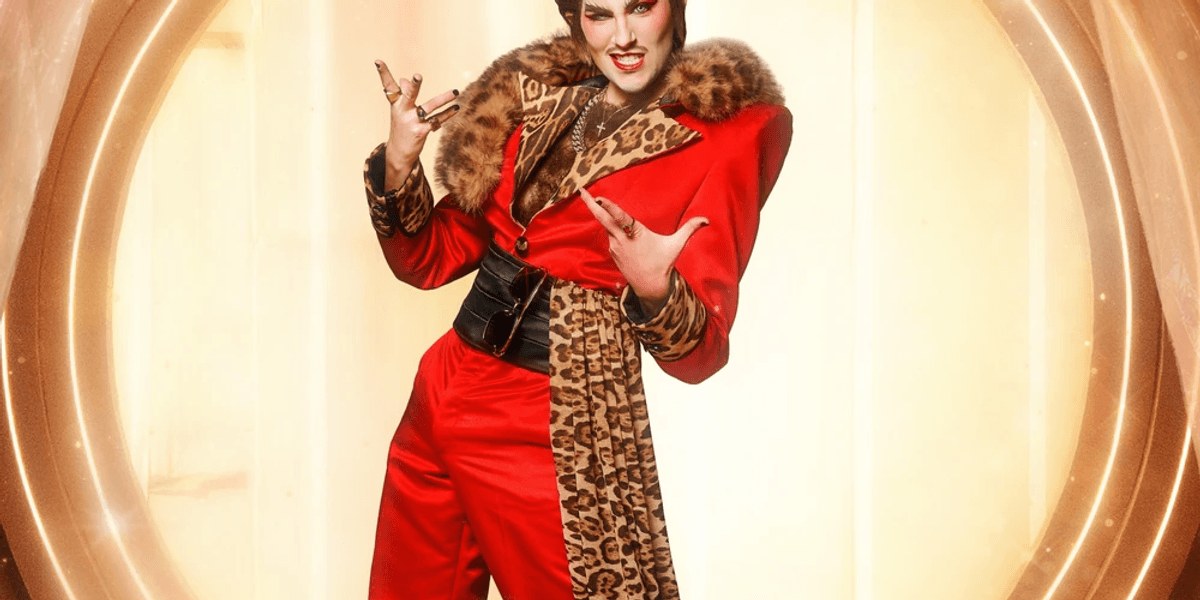
Drag Race España is shaking things up in its upcoming sixth season by introducing the franchise’s first full-time drag king, Marcus Massalami. Set to premiere on September 27, fans can look forward to seeing Marcus alongside fellow contestants like Àlex Marteen, Alma DeSoul, and Buba Anorex.
The announcement was made on the official Drag Race España Instagram, showcasing Marcus in a striking red jumpsuit with a leopard fur train. The post humorously requested that Marcus “brings lots of packages to our house.”
Marcus, whose real name is Melisa Meseguer, is a talented actress, singer, violinist, and nurse. Notably, this casting decision highlights a pivotal moment for the RuPaul’s Drag Race franchise, traditionally dominated by drag queens, or “Ru girls.” While part-time drag king Johnny Jones appeared on Canada’s Drag Race, Marcus is set to be the first full-time drag king contestant, as well as the second cisgender woman in Drag Race España, following Clover Bish.
This milestone also represents a broader step forward for the visibility of drag kings, who have historically received less attention than drag queens. Recent years have seen improvements in drag king representation, with notable examples including the Revry series King of Drag.
Marcus Massalami’s debut is eagerly anticipated, as he joins the growing yet small representation of drag kings in mainstream media. Don’t forget to tune in on September 27!