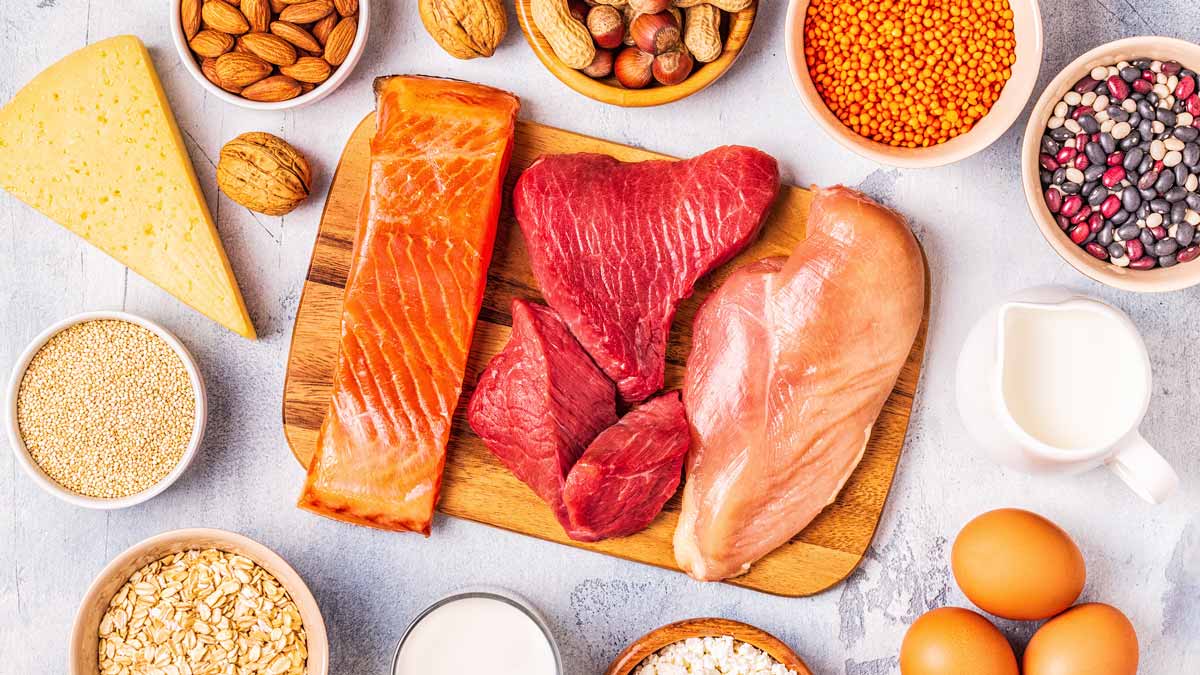
Is It Necessary to Increase Your Protein Intake?
Not always. According to nutrition expert Keating, the recent recommendations can mislead individuals into thinking they are protein deficient and must prioritize increasing their intake. In reality, many people already consume an adequate amount of protein. For example, men aged 19 to 50 typically average around 96 grams per day, while women of the same age consume about 70 grams, as per data from the National Health and Nutrition Examination Survey (NHANES). Older adults, while consuming slightly less, still average 94 grams for men and 69 grams for women.
However, several studies suggest that a protein intake exceeding the Recommended Dietary Allowance (RDA) can be beneficial, especially for those at risk of muscle loss—such as the elderly, individuals attempting to lose weight, or those who engage in regular exercise. A notable 2020 study published in The Journals of Gerontology examined nearly 3,000 adults over two decades, finding that those with higher daily protein consumption (approximately 92 grams) maintained better strength and faced a reduced risk of falls and fractures compared to those with lower intake (around 64 grams).
Stuart Phillips, PhD, a kinesiology professor and protein researcher at McMaster University in Ontario, Canada, notes that the RDA signifies a minimum requirement to maintain overall protein balance. He states, “This new range reflects evidence gathered over the years, particularly from studies related to muscle protein synthesis, resistance training, aging, and energy restriction.”
However, merely increasing your protein consumption may not yield the desired results. Phillips emphasizes, “Protein alone doesn’t significantly impact metabolism, long-term appetite suppression, or muscle development without the stimulus of exercise. The context surrounding protein intake is more crucial than the amount itself.”
It is also important to align your protein consumption with your overall calorie requirements. Keating warns that “excessive calorie intake, even from protein, can lead to weight gain.”
In conclusion, while there is evidence supporting higher protein intake for specific groups, most individuals already meet their protein needs. Understanding the context of dietary habits and aligning protein with overall calorie consumption is critical for health and fitness. Always consider your individual needs and consult with a nutritionist if unsure.