Recently, in a corporate strategy presentation, Hideaki Nishino, the President and CEO of Sony Interactive Entertainment, unveiled the company’s innovative strategy for integrating AI into game development. Nishino positioned AI as a “powerful tool” aimed at enhancing Sony’s goal of creating the ultimate platform for gaming and publishing.
The presentation highlighted several applications of AI, including the automation of workflows, boosting productivity, and expediting essential tasks such as quality assurance, 3D modeling, and animation. A notable example mentioned was Mockingbird, an AI-driven tool designed to animate 3D facial models utilizing performance capture data.
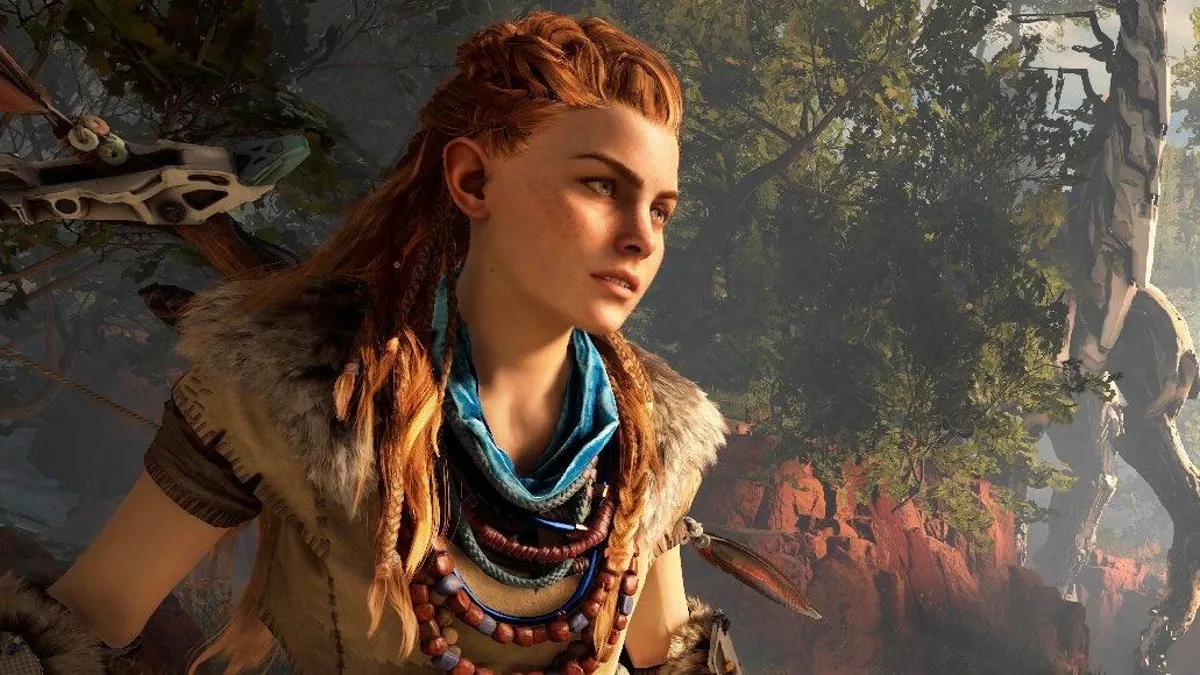
Nishino revealed that Sony’s studios are already utilizing this AI animation technology, having employed it for the remastering of Horizon Zero Dawn. The technique converts real-world video footage of hairstyles into intricate 3D models, which tremendously shortens the manual labor involved. Other PlayStation studios, including Naughty Dog and San Diego Studio, are also integrating similar technologies into their projects.
Nonetheless, Nishino emphasized that the “vision, the design, and the emotional impact of our games will always stem from the creativity of our studios and performers.” To honor creative integrity, Sony has joined forces with Bandai Namco to investigate how generative AI can enhance cutting-edge technologies, ensuring they align with a creator’s artistic vision in video production.

VIEW GALLERY – 3 IMAGES
Nishino also discussed AI’s role in enhancing the visual fidelity of the upcoming PS5 Pro, stating that this technology would provide players with a more immersive experience while also creating a “more efficient production environment” for developers.
The dialogue surrounding generative AI remains polarized. On one side, companies are championing AI as a groundbreaking advancement, while on the other, numerous gamers express a desire to keep games distanced from overwhelming AI-driven graphics and photorealistic manipulations. This concern was recently echoed with the introduction of technologies like DLSS 5, with 58% of players opposing AI alterations in their gaming experience.

Many view Sony’s approach as a pragmatic application: automating repetitive tasks in development allows artists to dedicate their time to the creative aspects of game-making instead of mundane technical work. This is also why Horizon’s Steam page does not contain an AI disclosure; Valve currently mandates that developers only disclose entirely AI-generated content rather than the use of AI-assisted tools.
Despite these advancements, skepticism persists among gamers. During the same investor presentation, Sony also confirmed that it has not yet determined a launch timeline for the PlayStation 6, while anticipating losses nearing $600 million from its acquisition of Bungie.
In summary, Sony’s integration of AI into game development signifies a shift towards enhancing efficiency and creativity. As the company navigates the balance between technological advancements and artistic integrity, it remains to be seen how gamers will respond. The ongoing dialogue regarding AI’s role in gaming reflects a broader trend of embracing innovation while remaining cautious about its implications.