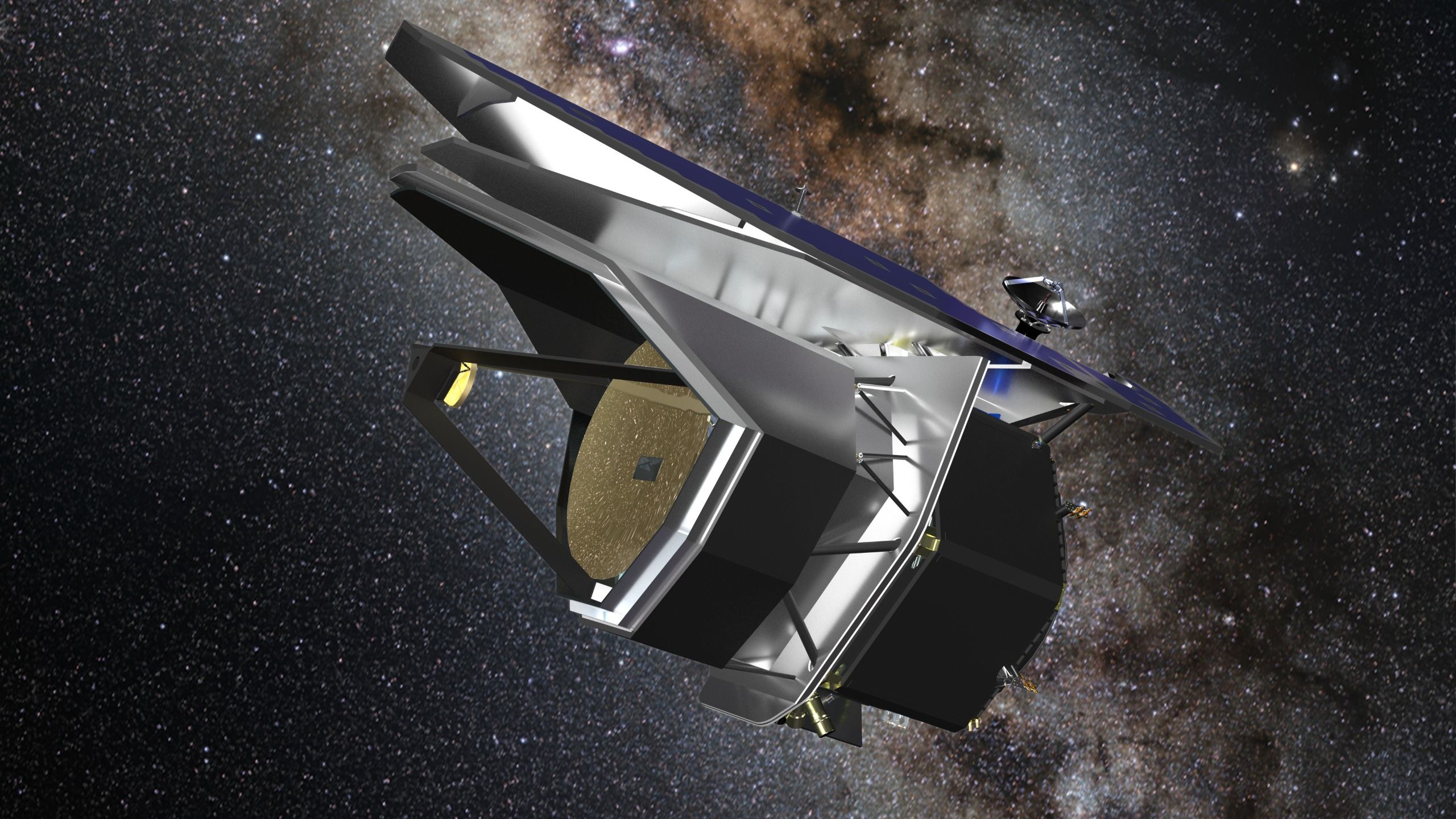
NASA is advancing its plans for a new space telescope called PRIMA (Probe far-Infrared Mission for Astrophysics) that aims to explore the infrared universe deeper than the James Webb Space Telescope (JWST). Currently in Phase B of development, PRIMA’s mission is set to officially commence no earlier than 2033, focusing on topics such as planet formation, galaxy growth, and black hole evolution.
PRIMA will utilize a 5.9-foot telescope to examine the far-infrared spectrum, which is essential for studying water in planet formation and other cosmic phenomena. Notably, the JWST, although advanced, is designed for near- and mid-infrared light, making PRIMA’s contributions unique and necessary.
The project has a budget cap of $1.2 billion, significantly less than JWST’s original cost of $10 billion. PRIMA is the inaugural mission within NASA’s new classification of spacecraft called Probe Explorers, aimed at providing valuable research tools that bridge the gap between large flagship missions and smaller projects.
The mission is backed by collaborative efforts from institutions like the University of Maryland and Caltech, emphasizing a strong desire within the astronomy community to expand our understanding of the universe. NASA has highlighted that PRIMA will assist researchers in uncovering vital information about cosmic evolution and resident celestial phenomena.


