In 1767, clergyman and scientist Joseph Priestly invented carbonated water, which laid the groundwork for the phenomenon we now call soda. Today, soda is a world-renowned beverage, with a trillion-dollar industry growing ever larger. New flavors are constantly emerging, and innovative trends—such as the Mormon-inspired dirty soda—keep the market vibrant.
However, the soda industry has its share of controversies. Frequently criticized for excessive sugar levels, the realm of fizzy drinks has also been embroiled in scandals over the years. From deceitful advertising to health concerns, some sodas have sparked notable disputes that affected brands and consumers alike. Here, we delve into the nine most significant soda controversies in history.
Coca Cola was outed as a copy of a French drink
The creation of Coca-Cola is attributed to Atlanta pharmacist John Stith Pemberton in 1886. While its recipe remains a closely guarded secret, it is revealed that the beverage took inspiration from a drink called Le vin Mariani, developed in Corsica in 1863 by Angelo Mariani. This health tonic contained wine, cocaine, brandy, and sugar, and became a favorite among many notable figures, including Queen Victoria and Mark Twain.
Despite its past popularity, Mariani wine faded into obscurity, and its last known physical trace before Coca-Cola’s invention was a bottle found dating back to 1880. Scientific analysis confirmed a striking similarity between its formula and that of Coca-Cola. This revelation was met with surprise in France, yet received minimal attention in the U.S. Despite the connection, Mariani Wine remains unmentioned on Coca-Cola’s official website today.
Jolt Cola’s high caffeine content scared parents
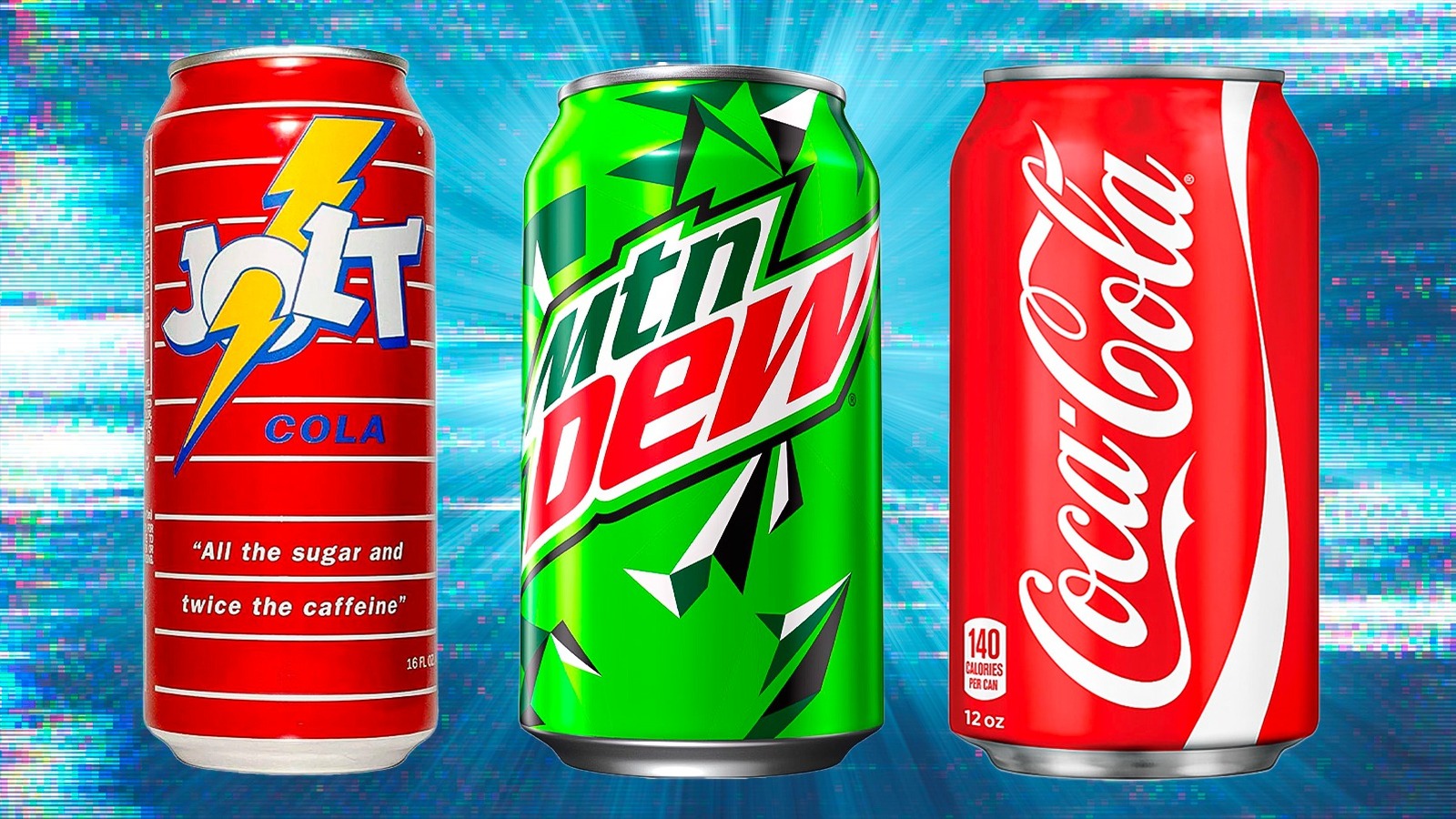
When Jolt Cola launched in 1985 with the slogan “All the sugar and twice the caffeine,” many parents quickly expressed concern. Although it did garner adult consumers, Jolt Cola, a precursor to energy drinks, faced challenges, including discontinuation and multiple relaunches.
As of late 2024, Jolt is poised for a significant comeback, as energy drinks are increasingly more lucrative than traditional sodas. With new marketing aimed at older audiences who recall the product from the 80s, this iteration promises a larger size, improved flavor, and the addition of healthier components like nootropics and Vitamin B. This time around, Jolt will be sugar-free, boasting a caffeine content that has increased from 70 milligrams to 200 milligrams per can.
Mountain Dew ads were accused of racism and misogyny
In 2013, Mountain Dew collaborated with hip-hop artist Tyler, The Creator on a set of commercials that intended to embody the brand’s quirky nature. However, these ads received backlash for promoting depictions of racism and misogyny.
The most controversial ad featured a woman who appeared to be assaulted by a goat, voiced by Tyler. In a scene where she must identify her attacker in a lineup, the ad drew severe complaints, with some describing it as “arguably the most racist commercial in history.” The backlash led PepsiCo to retract the ads and issue an apology.
A New York mayor tried to ban large portions of soda
In the early 2010s, New York City Mayor Michael Bloomberg proposed an initiative aimed at reducing obesity by banning the sale of soda containers larger than 16 oz. The Board of Health approved this controversial measure in 2012, sparking protests from local residents.
A judge ultimately blocked the ban, citing enforcement challenges due to numerous exceptions and the ambiguity of the law concerning beverages with added sugar. Today, New Yorkers are free to choose their beverage sizes without restrictions.
New Coke was hated by consumers
Pepsi emerged as a significant competitor to Coca-Cola in the 1970s, sparking a marketing rivalry that culminated in the introduction of New Coke in 1985. Rather than winning over customers, the new flavor inspired widespread dissatisfaction, with many recalling the original version fondly.
This backlash was so fierce that many consumers hoarded original Coca-Cola products, leading to bizarre acts of protest. Although Coca-Cola rebranded the original recipe as “Coca-Cola Classic” just four months later, the blunder sparked debates about whether it was a marketing disaster or a clever move to revitalize interest in the product.
A Fanta commercial glossed over the drink’s ties to the Third Reich
While Fanta’s colorful branding suggests a vibrant soda, its history is darker: created in World War II Germany, it arose out of necessity when Coca-Cola syrup became unavailable due to trade embargos. Max Keith, the CEO of Coca-Cola Deutschland, produced Fanta using food byproducts.
There has been speculation regarding Keith’s political stance during this tumultuous period. When Fanta celebrated its 75th anniversary with a cheerful commercial in 2015, it provoked significant outrage. This reaction led to the Coca-Cola Company retracting the advertisement and clarifying that Fanta bears no connection to the Nazi regime.
Customers boycotted SodaStream because of the Israeli-Palestinian conflict
Entering the U.S. market in the 2010s, SodaStream quickly attracted attention by enlisting Scarlett Johansson as its brand ambassador. However, activists soon raised concerns over the company’s factory location on the West Bank, arguing it contributed to Palestinian oppression.
Boycotts ensued, and sales in certain regions plummeted. In response, SodaStream moved its factory in 2015, which also affected hundreds of Palestinian workers. By 2018, the noise surrounding the brand has faded, and it was acquired by PepsiCo for $3.2 billion, emerging as a leader in the personal soda maker market.
Mountain Dew contained BVO even after it was removed from PepsiCo’s other drinks
Brominated vegetable oil, or BVO, has a contentious history. Used as an emulsifier in foods and drinks since the 1920s, concerns arose regarding its long-term safety. Despite being banned in Europe and Japan, BVO was deemed safe by the FDA until 2024, when the organization reversed its stance.
While Coca-Cola and PepsiCo removed BVO from most beverages, Mountain Dew continued to include it without public acknowledgment. This fueled rumors associating BVO with flame-retardant products. Thankfully, the controversy subsided in 2020 when Mountain Dew announced a complete removal of BVO from its formulation.
A Pepsi contest in the Philippines led to riots, boycotts, and deaths
Among the most severe controversies in soda history lies the Pepsi Number Fever contest held in the Philippines during 1992. The contest promised big rewards, but a computer error declared countless individuals as winners, resulting in widespread public outrage as Pepsi struggled to control the escalating chaos.
The aftermath included violent protests, with some individuals losing their lives during demonstrations. Pepsi was forced to navigate legal complaints, and although the government imposed penalties, those who believed they were winners received little to no compensation, enduring a bitter resentment over the company’s ineptitude.
Key Takeaways
- The Coca-Cola formula has ties to a French drink, Le vin Mariani.
- Jolt Cola’s branding sparked parental concerns due to its high caffeine content.
- Mountain Dew faced backlash for ads perceived as racist and misogynistic.
- The New York City soda ban was struck down due to enforcement challenges.
- New Coke was widely rejected, leading to a return of the original formula.
- The history of Fanta includes ties to WWII Germany.
- SodaStream’s factory relocation sparked a discourse on ethical consumption.
FAQ
What prompted the backlash against Mountain Dew’s ads?
Mountain Dew’s commercials featuring Tyler, The Creator were criticized for their portrayals of racism and misogyny, leading to public outrage.
Why was New Coke considered a failure?
New Coke was not well-received by consumers who preferred the original flavor, leading to a quick reintroduction of Coca-Cola Classic.
What was the outcome of the Pepsi Number Fever contest?
Due to a computer glitch, many individuals were declared winners, resulting in riots and a significant backlash against Pepsi.
What is BVO, and how does it relate to soda?
Brominated vegetable oil (BVO) was used in some sodas like Mountain Dew but faced scrutiny leading to its eventual removal from formulations.
What was the significance of the Fanta commercial controversy?
A Fanta advertisement celebrating its history faced backlash due to its overlooked connections to the Nazi regime, leading to an apology from Coca-Cola.