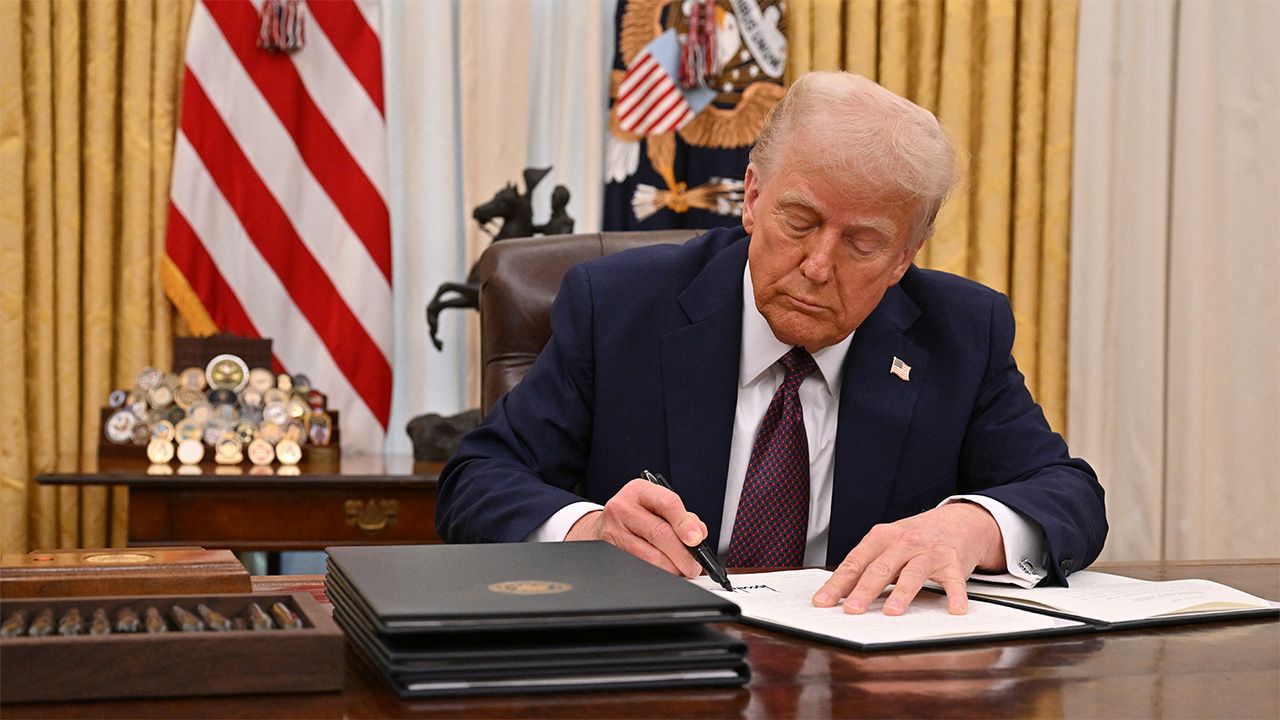
The era characterized by “move fast and break things” in the realm of AI might be facing a significant shift. A recent report from the New York Times indicates that the Trump administration is crafting a pivotal Executive Order. This would mandate that major tech companies submit their mostadvanced models for governmental review before they can be made publicly available.
This development highlights a critical transition in which AI is increasingly viewed not merely as a technological tool but as an asset with national security implications. Let’s delve into the underlying factors of this conversation.
What has prompted this change?

The recent limited rollout of Anthropic’s Claude Mythos may have ignited this new direction. Advertised as an advancement in cybersecurity, federal officials have expressed concern over the model’s unsettling ability to identify and exploit software vulnerabilities that cannot be patched in essential infrastructure.
Article continues below
According to the report, this new stance from the administration is influenced by three primary factors:
- The ‘Mythos’ effect: The assertion that cutting-edge models can now surpass conventional cybersecurity measures.
- Domestic compute sovereignty: An initiative to guarantee that the U.S. government has prioritized access to the globe’s most powerful computing resources.
- The Anthropic rift: A reported conflict regarding military usage rights between the White House and Anthropic, prompting the administration to depend more on collaborations with OpenAI and Google.
Inside the Discussion

Recently, senior officials at the White House convened with leaders from tech giants like Sundar Pichai (Google), Sam Altman (OpenAI), and Dario Amodei (Anthropic) to explore the framework of a governmental “working group.”
The discussions aimed to establish a standardized “red-teaming” procedure where federal specialists would audit AI models before their release.
Key Takeaways
Should this Executive Order be enacted, it could significantly decelerate the rapid advancement of AI technology, which would be noticeable in the rollout of new “Pro” and “Ultra” model updates. These innovations would undergo rigorous review, prioritizing safety over speed.
Advocates of this approach argue that it promotes reliability, while opponents caution that it might allow international competitors such as Deepseek to gain an advantage due to fewer limitations.
This potential transformation signals the emergence of a dual-layer AI landscape, featuring government-certified “safe” models for corporations and organizations while providing a separate, minimally regulated pathway for enthusiasts and advanced users. As time progresses, this balance of slower technological growth against increased oversight will be worth observing.

Follow Tom’s Guide on Google News and add us as a preferred source to keep up with our latest news, analysis, and reviews. Subscribe to Tom’s Guide on YouTube and follow us on TikTok.