Fast food giants are making a noteworthy shift in their beverage offerings, focusing on customizable drinks, including refreshers and “dirty sodas.” As these beverages gain popularity, they become essential in driving sales and customer engagement.
(NewsNation) — Fast food chains are doubling down on customizable drinks like refreshers and “dirty sodas” as high-margin beverages emerge as a key battleground.
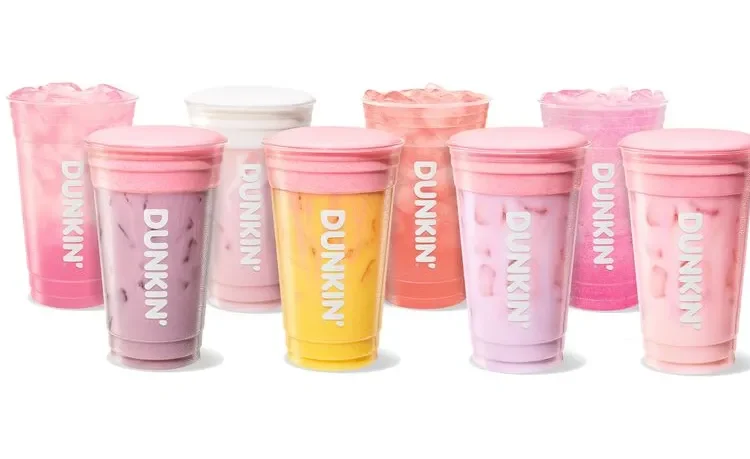
Dunkin’ launched its new summer drink lineup Wednesday, featuring vividly colored refreshers and their take on dirty soda, combining coffee milk, Pepsi, and sweet cold foam.
McDonald’s is also getting in on the action with its own refreshers and “crafted sodas,” introducing six specialty drinks next week, aiming to make beverages a significant driver of foot traffic.
“Soon, our beverages won’t just be a reason you come to McDonald’s, they’ll be THE reason,” remarked Alyssa Buetikofer, Chief Marketing and Customer Experience Officer at McDonald’s USA, in a statement Tuesday.
This strategic shift has taken time to develop, as CEO Chris Kempczinski identified specialty beverages as a $100 billion segment with “superior margins” during a late 2023 McDonald’s investor update.
Chick-fil-A, Taco Bell, and Wendy’s are also enhancing their drink menus in response to this trend.

What’s driving the specialty beverage push?
Fast food restaurants are promoting refreshers and “dirty sodas” as customizable, flavor-packed options beyond the traditional soda fountain, primarily driven by economic factors.
Beverages typically offer higher profit margins than food, a crucial consideration as ingredient costs rise and place pressure on restaurant profitability.
Specialty drinks can also command premium prices compared to traditional options. For instance, a 16-ounce Mango Strawberry Energy Refresher at a Starbucks in Chicago retails for $5.95 before tax, while a same-sized drip coffee costs $3.65.
At Dunkin’, a medium Mango Pineapple Limeade Refresher is priced at $5.39 before tax, while an original blend coffee costs $3.19 for the same size.
Moreover, specialty drinks serve as effective tools for brand engagement, designed with vibrant colors and unique flavors to capture attention on social media. The rise of “dirty soda” has been spurred by viral trends on platforms like TikTok and exposure from “The Secret Lives of Mormon Wives.”
Cold specialty coffee and energy drinks are leading the growth in beverage categories, particularly among younger demographics, according to the latest Beverage Navigator report by Technomic.
How refreshers and ‘dirty sodas’ went mainstream
Refreshers differ from chain to chain but are generally colorful, fruit-infused cold beverages that frequently contain caffeine.
Starbucks played a pivotal role in popularizing this category back in 2012, aiming to attract customers outside conventional coffee-drinking timings. The initiative proved successful, with the company reporting that its refresher business has grown into a “$2 billion platform.”
“It’s clearly a very attractive category, and we’re not the only ones who see it,” stated Charlie Newberger, head of beverages and desserts at McDonald’s, in a recent interview with The New York Times. “It is large and growing and appeals to younger consumers.”
Dirty soda—a blend of soda, cream, and flavored syrups—gained traction in Utah as a fun alternative for those typically avoiding coffee, which Mormons generally refrain from.
The Utah-based company Swig has significantly contributed to making dirty soda mainstream, expanding to over 100 locations across 16 states. This success has caught the interest of major fast food chains, prompting them to enter the market.
While specialty beverages at fast food outlets are currently trending, it’s important to note that they may not necessarily be healthy.
A medium dirty soda at Dunkin’ contains 320 calories and 59 grams of sugar, while the new Cherry Lime Rickey Refresher has 220 calories and 53 grams of sugar.
Key Takeaways
- Fast food chains are introducing customizable beverages like refreshers and “dirty sodas.”
- These drinks offer higher profit margins than traditional food items.
- Specialty drinks are often priced above conventional options, drawing in customers.
- Social media and viral trends heavily influence the popularity of these beverages.
- The category appeals strongly to younger consumers, prompting significant growth.
- Major players like Starbucks, Dunkin’, and McDonald’s are all enhancing their drink menus.
FAQ
What are “dirty sodas”?
“Dirty sodas” typically combine soda, cream, and flavored syrups, offering a sweet alternative to coffee.
Why are fast food chains focusing on specialty beverages?
They often provide higher profit margins and help attract customers, especially younger demographics.
What ingredients are usually in refreshers?
Refreshers are usually bright, fruit-flavored cold drinks that often contain caffeine.
Are these specialty drinks healthy?
Generally, these beverages tend to have high calorie and sugar content, so they may not be the healthiest option.