Top Drinks to Avoid for Better Health

Want to Be Healthier? Avoid These 10 Drinkspocketlight – Getty Images
When aiming for better health, it’s vital to monitor not just food intake but also drinks, which can often be overlooked. Many beverages, even those that appear healthy, can be laden with sugars that harm overall well-being. According to Stephani Johnson, D.C.N., R.D.N., a nutrition expert at Rutgers University, high sugar content in drinks can have detrimental effects on health.
Excessive sugar consumption, particularly from added sugars in beverages, poses significant health risks. The American Heart Association (AHA) highlights that sugar-sweetened drinks are the primary source of added sugars in many American diets.
Meet the experts: Stephani Johnson, D.C.N., R.D.N., adjunct professor at Rutgers University; Jason Ewoldt, M.S., R.D.N., wellness dietitian at the Mayo Clinic.
The AHA recommends that men limit added sugar intake to 36 grams (g) per day and women to 25 g. Furthermore, the Dietary Guidelines for Americans suggest that no more than 10% of daily caloric intake should come from added sugars.
In light of these recommendations, here are the beverages to steer clear of for enhanced health, along with healthier alternatives.
1. Fruit Juice
Even though fruit juice can appear more nutritious, many varieties are high in sugar. “Some juices have high fructose corn syrup listed as a primary ingredient, with real fruit juice appearing further down the list,” Johnson states. An eight-ounce serving can contain up to 37 g of sugar, potentially leading to weight gain.
Moreover, juicing strips away dietary fiber, which fruits naturally contain. “Whole fruit is not only lower in sugar but also offers this critical nutrient,” notes Ewoldt.
Alternatives:
- Seltzer with a dash of juice
- Juice mixed with equal parts water
2. Sweetened Iced Tea
Sweetened iced tea can be deceptive, often harboring 27 to 35 g of added sugar per 12-ounce serving—similar to sodas. Even varieties labeled as “low sugar” can still contain five to 17 g per serving.
Alternatives:
- Unsweetened green, black, or herbal tea
- Tea with a splash of lemonade
3. Sugary Coffee Drinks
Many sweetened coffee beverages can have up to 60 g of sugar, thanks to sugar packets, flavored syrups, or sweetened creamers. Consuming these can negate the health benefits of coffee.
Alternatives:
- Whole, 2%, or unsweetened plant-based milk instead of sweetened creamers
- Natural sweeteners like stevia or monk fruit
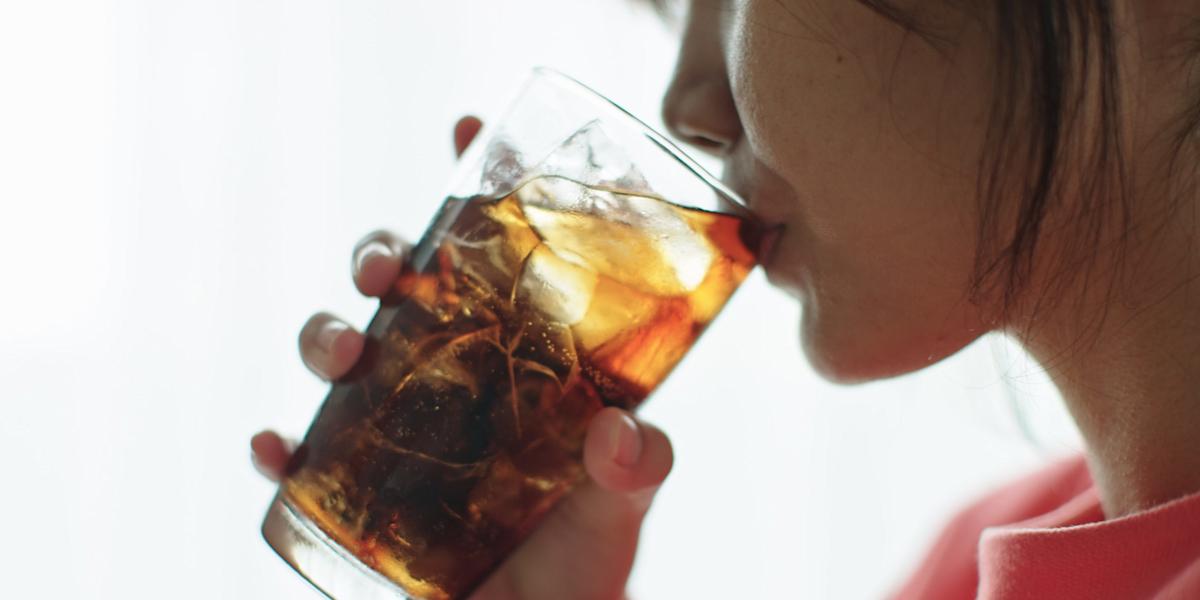
4. Soda
A single can of soda might contain more sugar than the daily recommendation. Large servings can shockingly provide as much as 100 to 160 g of sugar, often sourced from high fructose corn syrup, which is linked to various health issues.
Alternatives:
- Seltzer with a hint of juice
- Soda sweetened with stevia
5. Sweetened Plant-Based Milk
Nut milks often lack fiber and protein yet can feature various levels of added sugar, ranging from 5 to 17 g. Most non-soy options don’t provide the protein found in dairy milk.
Alternatives:
- Unsweetened plant-based milks
- Unsweetened soy milk, comparable in protein to dairy
- Lactose-free dairy milk if needed
6. Pre-mixed Alcoholic Drinks
These beverages are often filled with hidden sugars, containing 25 to 40 g of sugar per serving. This makes them more sugary than many sodas.
Alternatives:
- Sugar-free premixed drinks
- Fresh fruits or herbs instead of sweet syrups
- Sparkling water instead of tonic water or sodas
7. Pre-made Smoothies
While smoothies can be nutritious, pre-made versions often contain high sugar levels due to added juices or sugars, leading to 300 calories and 40 g of sugar per bottle.
Alternatives:
- Homemade smoothies with less fruit and added protein
- Homemade smoothies using plain nonfat Greek yogurt
8. Pre-made Protein Drinks
These drinks can be helpful but may be lower in sugar due to calorie-free sweeteners. However, preparing your own protein shakes allows for better control over the ingredients.
Alternatives:
- Make your own protein shakes using protein powder, fruits, and veggies
9. Energy Drinks
Many energy drinks contain high sugar levels (30 to 40 g) and can have excessive caffeine (up to 300 mg). These drinks offer little health benefits and black coffee is a better alternative.
Alternatives:
- Coffee with no added sugar
- Energy drinks sweetened with plant-based options
10. Sports Drinks
Designed for athletes, these drinks often pack about 30 to 40 g of sugar and 270 mg of sodium in a 20-ounce bottle. Unless engaged in highly intense workouts over an hour, plain water suffices.
Alternatives:
- Electrolyte packets without added sugar
By being mindful of beverage choices, you can significantly enhance your health. Avoiding sugary drinks and opting for healthier alternatives plays a crucial role in achieving a balanced, nutritious diet. Choose wisely, and let your drinks contribute positively to your overall health.


