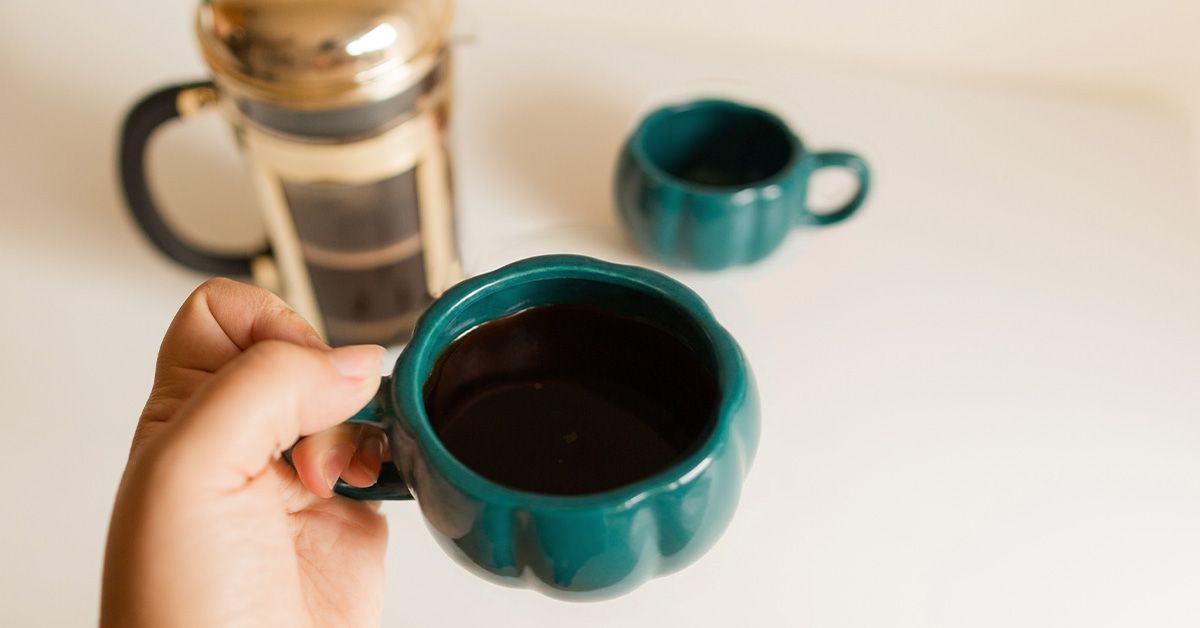
My doctor has advised me to reduce my coffee consumption. Research indicates that 2-3 cups per day might be an ideal amount. I’ve implemented a few straightforward techniques that have helped me cut down on caffeine, even on those busy, deadline-driven days.
Hello to all coffee lovers and those striving for a healthier lifestyle!
The conversation around coffee seems to shift frequently: one moment it’s a health elixir, and the next it’s linked to anxiety or heart issues, depending on the latest research.
Historically, I never considered the idea of cutting back on coffee. Perhaps this is because I’m a journalist who thrives on deadlines and caffeinated energy. However, recent health advice from my doctor has prompted me to reconsider.
A recent Healthline article reviews new studies that offer an encouraging perspective on coffee consumption. If you’ve felt guilty about reaching for that second (or even third) cup, you might want to keep your coffee maker running a bit longer.
This news is especially promising for someone like me, who is on a personal health journey to gradually reduce caffeine intake. I’ve shifted to drinking less regular black coffee, using strategies to fill my pot halfway or top off my mug, and have even explored decaf options or herbal tea infused with fresh lemon juice.
Recent clinical trials and long-term studies from early 2025 and 2026 have changed how we view coffee. The focus has transitioned from, “Is coffee safe?” to “What is the optimal amount?”
Healthline’s research reveals this shift in understanding coffee consumption through their latest coffee analysis.
Heart of the Research
For a long time, individuals with heart rhythm disorders such as atrial fibrillation (AFib) were advised to avoid caffeine. However, a cleverly titled clinical trial, DECAF, has turned this advice on its head.
The study found that individuals who consume coffee have a 40% lower chance of experiencing AFib recurrence compared to those who completely avoid it. Caffeine hinders adenosine, a compound that can trigger these irregular heartbeats, potentially explaining coffee’s beneficial effects.
The Benefits of Black Coffee
Fans of black coffee can celebrate, as research indicates that consuming 2-3 cups daily is associated with a 14% reduction in overall mortality. However, this benefit diminishes if you load your coffee with cream and sugar. It’s the antioxidants, such as chlorogenic acids, in the coffee that contribute to its health advantages.
Blood Sugar Benefits
Recent analyses suggest that both caffeinated and decaffeinated black coffee can decrease the risk of type 2 diabetes by 20% to 30%. Since these benefits are present even in decaf, researchers believe they stem from polyphenols, natural substances that help manage blood sugar and reduce inflammation.
While the findings specifically pertain to type 2 diabetes, they resonate with me as someone living with type 1 diabetes. Any information suggesting a blood-sugar-friendly option is encouraging.
Celebrity Insight
Even celebrity Kim Kardashian has shared her perspective, recently launching a new energy drink that features paraxanthine, a caffeine alternative naturally produced by the body during caffeine metabolism. The trend toward less coffee seems to be pervasive, even amidst research supporting moderate consumption.
While scientific findings are becoming more favorable toward black coffee, my doctor continues to encourage me to reduce my daily and weekly coffee intake.
As I approach my late 40s, this decision carries significant health implications. To ease this transition, I’ve been trying out various techniques to cut back on caffeine without feeling deprived or going cold turkey.
- Half Pot Only: I now brew just half of my 10-cup coffee pot, about 6 cups. This visual cue curbs mindless pouring and helps me maintain a more moderate intake.
- Switching It Up: Once I finish the coffee or feel over-caffeinated, I turn to hot water with a splash of lemon juice.
- Every Other Day: Some weeks, I limit my coffee consumption to every other day, replacing it with herbal or decaf tea. This approach helps keep my caffeine tolerance low, making my black coffee more enjoyable when I do indulge.
- Tea Time: When opting for tea, I reuse the same tea bag at least once or fill my cup with hot water multiple times. This extends the flavor and ensures I stay hydrated while gradually decreasing my caffeine intake.
These strategies have worked well for me. Another Healthline editor, Sarah, recently explored a version of this approach, inspired by a viral trend encouraging the delay of morning coffee. I may consider trying this method as well.
Delaying Morning Coffee
Discover how this Healthline editor’s technique of delaying her morning coffee transformed her daily habits and positively impacted her mental health and well-being.
In conclusion, while coffee offers various health benefits, moderating intake remains crucial for overall well-being. With simple strategies, we can enjoy our cups of coffee without overindulging, aligning our habits with our health goals.