The Value of Military Fitness: Lessons from a Navy Officer
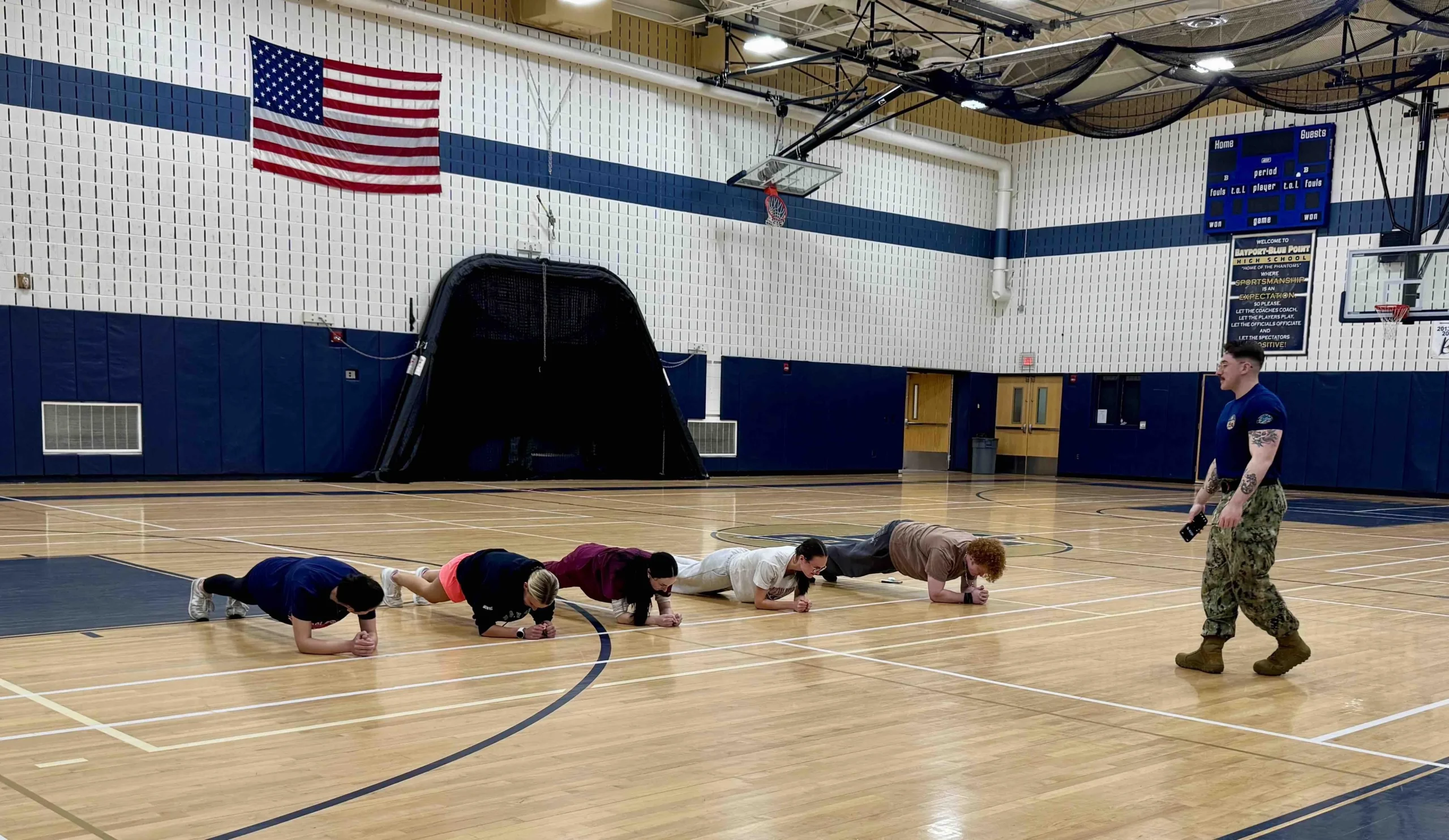
In a captivating lesson on fitness and personal well-being, a Navy officer recently visited Bayport-Blue Point High School, providing students with an invaluable glimpse into the discipline and rigor of military fitness. Engaging specifically with those in the school’s “Bigger, Faster, Stronger” elective, Officer Denny shared insights that are applicable not only in the military but also to everyday life.
The Navy, like other military branches, prioritizes total fitness, which encompasses strength, endurance, and mental resilience. This holistic approach is crucial for ensuring that service members are prepared for the high pressures they face. In recent years, this focus on fitness has gained renewed attention, underscored by new policies aimed at enhancing combat readiness.
Under the leadership of Defense Secretary Pete Hegseth and former President Donald Trump, the military has adopted stricter physical fitness standards. These standards require both men and women to meet identical benchmarks, emphasizing that readiness is the top priority. Officials have made it clear that unfit troops will not be tolerated and that maintaining peak fitness is essential for mission preparedness.
Officer Denny conveyed this emphasis on readiness to students, highlighting that a balanced lifestyle lays the groundwork for high performance, whether in the military or civilian life. His key message was clear: “The sailor comes first.” Proper nutrition, adequate rest, and self-care are vital elements for success in any endeavor. He also introduced the concept of functional fitness, which consists of exercises that enhance strength, endurance, and mobility, and pointed out how this type of fitness supports overall health.
During the lesson, Officer Denny explained essential components of fitness, including muscular strength and endurance, cardiovascular health, and flexibility. He associated these elements with the real-world challenges service members often encounter. Mental resilience was also a focal point of the discussion; he outlined breathing techniques that can help manage stress and maintain concentration in high-pressure situations.
The session culminated in friendly competitions, including push-ups and planks, which allowed students to put their newfound knowledge into action. This not only reinforced the principles of discipline and teamwork but also fostered a sense of motivation among participants.
Conclusion
The insights shared by Officer Denny serve as a reminder that physical fitness is a multifaceted challenge that encompasses not just physical training but also mental and emotional well-being. By adopting a balanced lifestyle focused on nutrition, exercise, and self-care, individuals can enhance their fitness levels and prepare themselves for life’s challenges—both in and out of uniform.