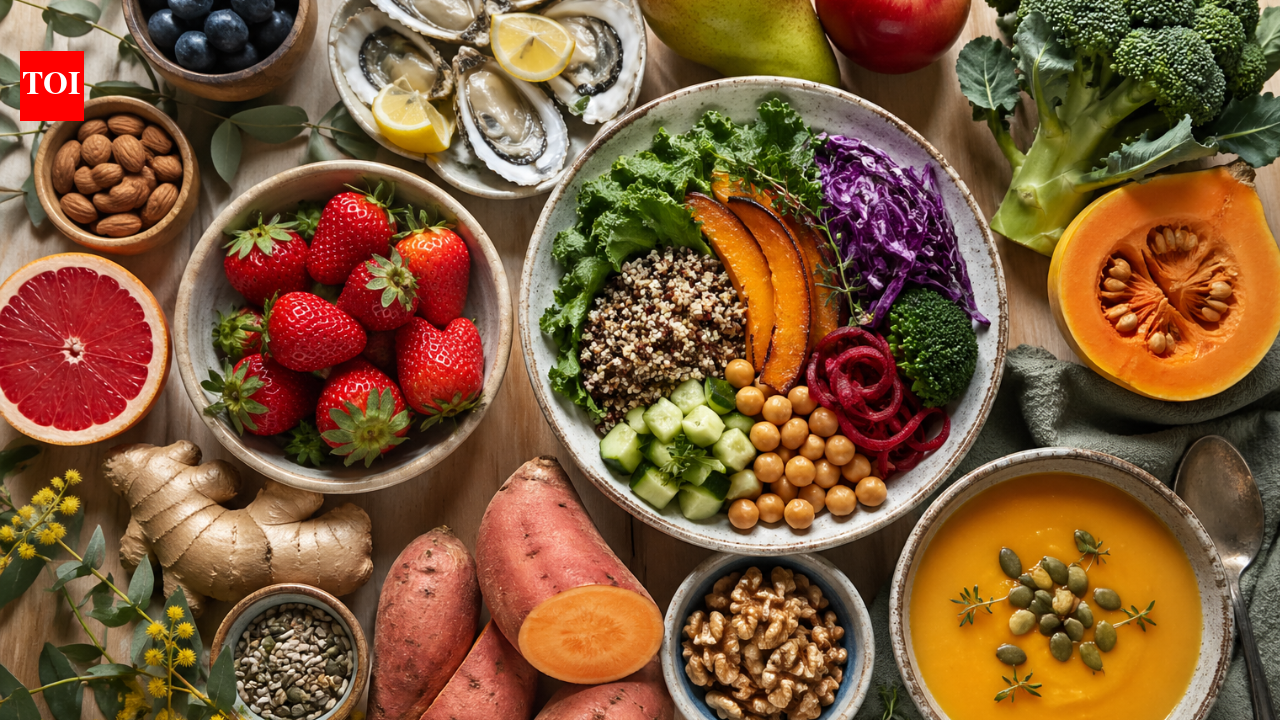
As autumn transitions to winter in Australia, May brings about a notable change in the local produce landscape. This month marks a peak period for a variety of nutritious fruits and vegetables, especially root vegetables and citrus, offering a fantastic opportunity to enhance our diets naturally.
In Australia, May signifies a rich harvest season, particularly across regions like New South Wales, Victoria, and parts of South Australia. This time of year is dominated by citrus fruits, root vegetables, and leafy greens that fill the local markets, providing a unique opportunity to indulge in seasonal eating. Nutritionists emphasize that consuming seasonal produce is not just about freshness, but also about the timing of nutritional values. Fruits and vegetables grown in harmony with natural cycles tend to be richer in vitamins and antioxidants.
Citrus Fruits: A Boost for Immunity
During May, oranges, mandarins, and grapefruits are at their peak. These citrus fruits are packed with vitamin C, which plays a crucial role in supporting our immune system and enhancing the absorption of iron. This is particularly important in colder months when the incidence of respiratory infections increases. Additionally, in-season citrus is rich in flavonoids, compounds known to reduce inflammation and support vascular health.
Nutrient-Rich Greens for the Cooler Months
As temperatures drop, leafy greens like kale, spinach, and silverbeet grow more slowly, increasing their nutritional composition. The cooler climate boosts the levels of certain antioxidants in these greens, which are high in folate and iron—essential for red blood cell production and energy. This makes them especially valuable as daylight hours diminish and fatigue tends to set in.
Root Vegetables: Sustained Energy Beyond Fullness
The autumn harvest features an array of root vegetables including carrots, sweet potatoes, and beetroot. These vegetables are rich in complex carbohydrates and fiber, as opposed to refined options. They provide a steady release of glucose, helping to maintain energy levels throughout the day without the spikes and crashes that can accompany refined carbs. Notably, beetroot contains nitrates, which have been shown to enhance blood flow and improve cardiovascular performance.
Cruciferous Vegetables: Adapting to Seasonal Changes
May also brings a bounty of cruciferous vegetables, such as broccoli, cauliflower, and cabbage. These veggies are rich in glucosinolates, which studies suggest can support the body’s natural detoxification processes. They also provide essential vitamin K and fiber, which are beneficial for bone health and digestion.
Variety Matters in Seasonal Eating
What truly sets May’s produce apart is not just the variety but also how these foods align with our body’s needs during this transitional season. As the weather grows colder, there is a heightened demand for immune-supporting, energy-sustaining foods. Seasonal produce effortlessly meets this requirement without necessitating drastic dietary changes. May is an ideal time to embrace what is already available, allowing our bodies to align with the changing season’s offerings, leading to natural health benefits with minimal effort.
In conclusion, the month of May in Australia presents a unique opportunity to enhance our natural health through seasonal eating. By focusing on local produce that is abundant and nutritious, we can nourish our bodies effectively during this transitional time. Embracing these seasonal foods can lead to improved well-being as we move into the colder months ahead.


