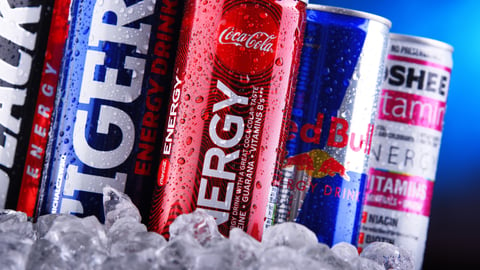
The debate surrounding energy drink regulations has gained momentum in recent years. The Canadian Beverage Association (CBA) raises critical questions about the validity of proposed restrictions that would prevent anyone under the age of 16 from purchasing these drinks. Notably, energy drinks only represent a small fraction of overall caffeine consumption among teenagers.
According to a 2025 peer-reviewed study, energy drinks contribute to only 11% of total caffeine intake among American adolescents. Additionally, Québec’s own INSPQ highlights that the frequency of energy drink consumption among teenagers is considerably low when compared to other common sources of caffeine.
The CBA emphasizes the importance of making policy decisions grounded in the latest scientific research. This research underscores that caffeine is consistent across various sources, prompting lawmakers to consider actual consumption patterns rather than solely focusing on energy drinks. Any regulatory measures concerning caffeine should be rooted in scientific evidence and uniformly apply to all sources, as restricting energy drink access for those under 16 may not effectively address broader concerns about total caffeine intake in Québec. Such actions could also lead to unintended consequences.
Key Takeaways
- The proposed restrictions on energy drink sales to individuals under 16 are being scrutinized.
- Energy drinks constitute only 11% of total caffeine consumption among American adolescents.
- Consumption of energy drinks among teenagers is relatively low compared to other caffeine sources.
- Caffeine’s effects are the same regardless of its source.
- Policy decisions should be based on comprehensive scientific evidence.
- Limiting energy drink access may not resolve concerns about overall caffeine intake.
FAQ
Why is there concern about energy drink consumption among teenagers?
Concerns stem from potential health implications and the desire to monitor caffeine intake among younger populations.
What percentage of caffeine consumption among adolescents comes from energy drinks?
Energy drinks account for only 11% of total caffeine consumption among American adolescents.
What do experts suggest for regulating caffeine consumption?
Experts advocate for regulations that are based on scientific evidence and apply uniformly to all caffeine sources.
Are there unintended consequences of restricting energy drink sales?
Yes, such restrictions could overlook broader caffeine consumption trends and potentially lead to adverse outcomes.
In light of these discussions, it is clear that any regulatory actions regarding energy drinks should be informed by scientific research and a broader perspective on caffeine consumption. Thoughtful examination of these issues is essential for effective policymaking.