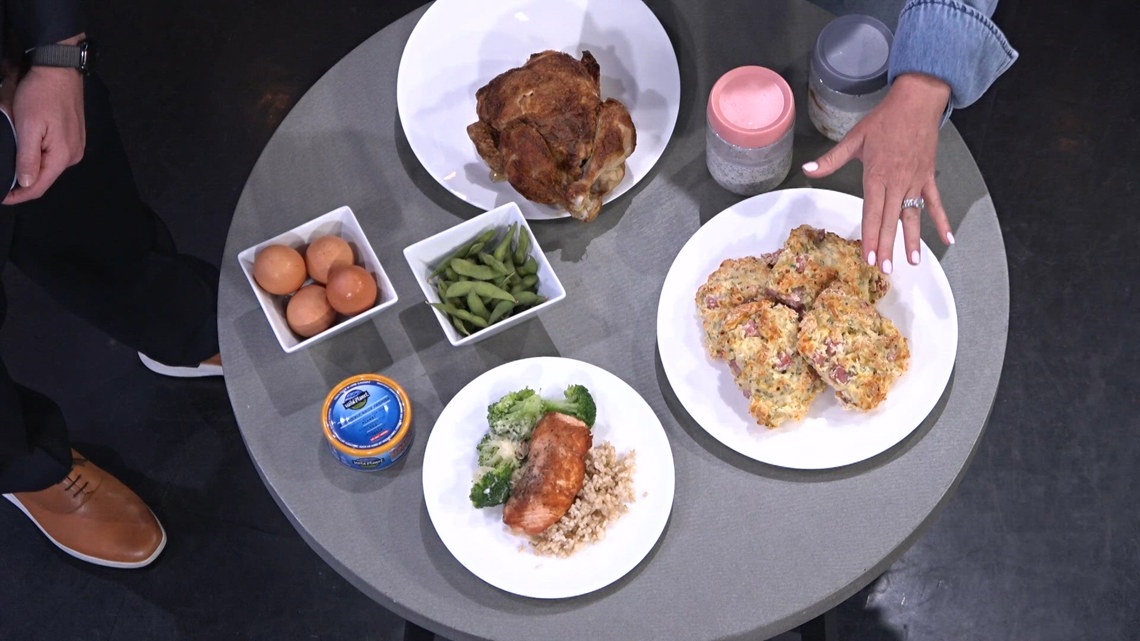
Dietitian Caroline Susie shares valuable insights into the significance of protein in our diets, discussing the ideal types and quantities for optimal health.
DALLAS — As you stroll through grocery store aisles, you’ll notice an increasing number of products highlighting their boosted protein content.
“Protein is trending right now; it’s everywhere,” remarked Dietitian Caroline Susie.
Protein is essential for cell growth, repair, and overall bodily functions, but can you overdo it? Susie emphasizes the importance of including protein in your meals. Beyond its foundational role, protein helps regulate insulin levels and signals that we feel full. To determine your specific protein needs, she recommends consulting with a dietitian.

Understanding how much protein to consume at various times of the day is also rooted in science.
“It feels a bit Texas-style,” she noted. “We tend to have some protein at breakfast, lunch, and then sit down to a hearty steak dinner. However, research suggests that consuming 25 to 30 grams at each meal throughout the day can help maintain lean muscle mass and facilitate weight management, particularly beneficial during perimenopause or menopause.”
Managing protein intake can also be advantageous for individuals on GLP-1 medication or those engaged in bodybuilding. Additionally, post-workout protein is crucial for recovery.
While many opt for protein bars due to their convenience, there is a downside. Susie explains that protein in bar form may not be as effective as consuming it in more substantial meals.
“A protein bar might offer around 20 grams of protein, but a meal consisting of fish, rice, and vegetables not only provides similar protein but also keeps you full for longer with essential nutrients. If you can’t access fresh options, consider alternative sources.
“Ready-to-eat pouches and canned foods can also be quite helpful and budget-friendly,” she added.
Furthermore, protein doesn’t exclusively stem from meat. You might consider swapping out butter for cottage cheese in your biscuits for a protein boost. Overnight oats provide another excellent breakfast option, which you can enhance with peanut butter and jelly for added flavor. For quick snacks, think about hummus and carrots, an apple with peanut butter, or cottage cheese topped with flax seeds and berries.
When grocery shopping, be sure to read the labels. Avoid products with sugar alcohols, as they can cause bloating, and be cautious about added fibers and artificial sweeteners which can alter texture. To spice up your meals and keep your culinary experiences fresh, here are some of Susie’s preferred combinations.
Consider these alternative protein options:
- Savory Filipino-inspired bowl
- Eggs with garlic sautéed spinach, tomatoes, and black beans
- Greek yogurt parfait
- Yogurt topped with chia seeds, berries, and high-fiber granola
- Tofu scramble
- Tofu with bitter melon, onions, and peppers
- Grilled salmon with lentil salad and roasted vegetables
- Chicken adobo served with brown rice, sautéed cabbage, and mung beans
- Ground turkey lettuce wraps with quinoa and shredded carrots
- Don’t forget to add your favorite ingredients—they all contribute to your health!
Incorporating the right types and amounts of protein into your diet can significantly impact your overall health and wellness. By being mindful of your choices and seeking guidance when needed, you can enjoy the benefits of a balanced, protein-rich diet.


