Energy drinks are often marketed for their ability to boost performance and alertness, but they carry important health implications, especially for adolescents. Understanding the potential consequences of high caffeine consumption is essential for making informed choices.
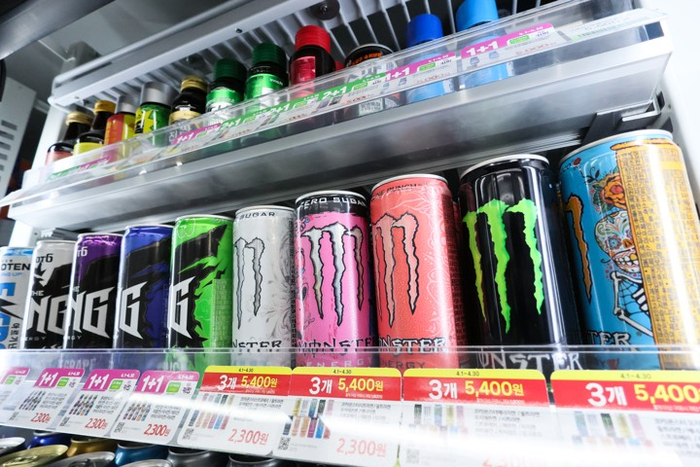
![Caffeine drinks on display at convenience store drinks stands in downtown Seoul. [Yonhap News]](https://wimg.mk.co.kr/news/cms/202604/23/news-p.v1.20260423.e55b27502f84425dad619cf68bd7b8d9_P1.png)
Adolescents tend to consume excessive amounts of caffeine, particularly among high school students, which warrants special attention to high-caffeine beverages.
According to a report from the Korea Health Promotion Development Institute released on the 23rd, although the rate of high caffeine consumption among adolescents has seen a slight decline last year, it remains significant, especially among high school students.
High caffeine beverages encompass energy drinks, coffee, and coffee drinks containing over 15mg of caffeine per 100ml.
The percentage of individuals consuming these high-caffeine drinks more than three times a week stood at 21.9% for boys and 21.2% for girls. Notably, high school students consumed high-caffeine drinks more than three times a week at a rate of 29.2%, which is more than double that of middle school students at 14.3%.
The institute commented, “High school students appear to consume significant amounts of caffeine, especially during exam periods when stress levels are elevated. Adolescents are more susceptible to the effects of caffeine compared to adults, and excessive intake can lead to various health complications.”
Potential side effects of high caffeine intake that may be more pronounced in adolescents include sleep disturbances, reduced concentration, and increased anxiety. The recommended daily caffeine intake for adolescents is 2.5mg per kilogram of body weight. Given that energy drinks typically contain between 60 to 100 milligrams of caffeine per can, consuming just two cans could surpass the recommended daily limit.
In response to these concerns, several countries are implementing stricter regulations to limit adolescent access to high-caffeinated beverages.
Recently, the Food and Safety Information Service reported that the Spanish government is preparing a bill to prohibit the sale of energy drinks to individuals under 16 years of age, while the Irish Senate is deliberating a bill that seeks to ban sales to those under 18.
Lee Hae-jung, a professor of food and nutrition at Gachon University, stated, “Relying on energy drinks for concentration during exam periods may ultimately hinder academic performance. It is preferable to stay hydrated and ensure adequate sleep rather than turning to high-caffeine beverages.”
Key Takeaways
- Adolescent caffeine consumption remains high, especially among high school students.
- High-caffeine beverages include energy drinks, coffee, and specialty coffee drinks.
- Regular consumption exceeds safe limits for many adolescents, raising health concerns.
- Countries like Spain and Ireland are moving to restrict sales of energy drinks to minors.
- Experts advise focusing on hydration and sleep rather than high-caffeine products.
FAQ
What constitutes a high-caffeine beverage?
High-caffeine beverages include those containing more than 15mg of caffeine per 100ml, such as energy drinks and certain coffee products.
What are the risks of excessive caffeine intake in adolescents?
Excessive caffeine consumption in adolescents can lead to sleep disturbances, decreased concentration, and heightened anxiety.
Are there any recommendations for caffeine intake in adolescents?
The recommended daily caffeine intake for adolescents is about 2.5mg per kilogram of body weight.
What steps are countries taking to regulate energy drink sales?
Countries like Spain and Ireland are considering legislation to restrict energy drink sales to individuals under certain age limits, aiming to protect adolescents.
What alternatives could help improve concentration without caffeine?
Staying sufficiently hydrated and ensuring adequate sleep are preferred methods to enhance concentration without relying on caffeine.