When it comes to food and health, understanding what we consume is crucial. One compound that has raised concerns is acrylamide, a small molecule categorized by the International Agency for Research on Cancer (IARC) as a possible carcinogen. This designation is particularly alarming considering acrylamide is present in many everyday foods such as French fries, cereals, potato chips, toast, and yes, even coffee. Let’s delve deeper into the science behind acrylamide, its formation, and what it means for our health.
The Formation of Acrylamide
Acrylamide is produced when the amino acid asparagine reacts with simple sugars—primarily glucose, fructose, and galactose—under high heat. Given that asparagine and these sugars are common in various foods, and that roasting, baking, and frying are prevalent cooking methods, it’s nearly impossible to avoid acrylamide entirely. But should we really be concerned about its potential to cause cancer?
The Evidence Behind Carcinogenicity
The classification of acrylamide as “possibly carcinogenic to humans” is largely based on rodent studies. In these experiments, mice are exposed to increasing doses of acrylamide until adverse effects, such as tumor growth in various organs, are observed. Notably, there is a clear dose-response relationship, indicating that higher doses lead to more significant effects. An important mechanism has been identified wherein acrylamide converts to glycidamide in the liver, subsequently binding to DNA and potentially causing mutations that could lead to cancer.
Understanding Dose and Risk
While acrylamide has been shown to cause cancer in specific conditions, this does not directly translate to human consumption. It’s essential to consider the dose. In studies focusing on rodents, cancerous effects have been noted at approximately 0.5 mg of acrylamide per kg of body weight per day. Human exposure, however, typically ranges from 0.3 to 0.6 micrograms per kg of body weight per day—thousands of times lower than the doses noted in animal studies. This offers a degree of reassurance, supported by numerous human studies that show no direct link between dietary acrylamide and cancer. Our bodies possess enzymes that can detoxify harmful substances, alongside mechanisms to repair damaged DNA, providing an additional layer of protection.
Everyday Sources of Acrylamide
Despite the relatively low risk, regular and high consumption of acrylamide-rich foods—like potato chips, vegetable crisps, crackers, and French fries—could lead to potential health implications. Interestingly, storing potatoes in the fridge can increase acrylamide production due to a process known as “cold-induced sweetening,” where starches break down into glucose that can react with asparagine when heated. Cooking methods also make a difference; boiling or microwaving potatoes prevents acrylamide formation, whereas frying can lead to more of it. For those making fries at home, soaking raw potatoes in water before frying until they are lightly brown can mitigate acrylamide levels. Additionally, cooking at lower temperatures is advised, not only to reduce acrylamide but also to avoid the formation of other carcinogens known as “polycyclic aromatic compounds.”
Toast and Coffee Considerations
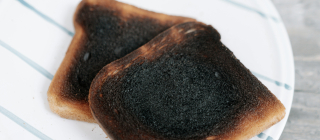
What about toast? While it hasn’t been rigorously tested, it’s well-understood that darker toast has higher acrylamide content. Thus, advising against burning your toast regularly is sensible. If you’re enjoying coffee with your toast, opting for lightly toasted beans over dark roast can also be beneficial.
Conclusion
In conclusion, while acrylamide does raise questions, understanding its formation and the actual levels of exposure can reassure us. Balancing our diets and being mindful of cooking methods can significantly mitigate any potential risks. To explore further topics related to food and health, feel free to seek out more resources.