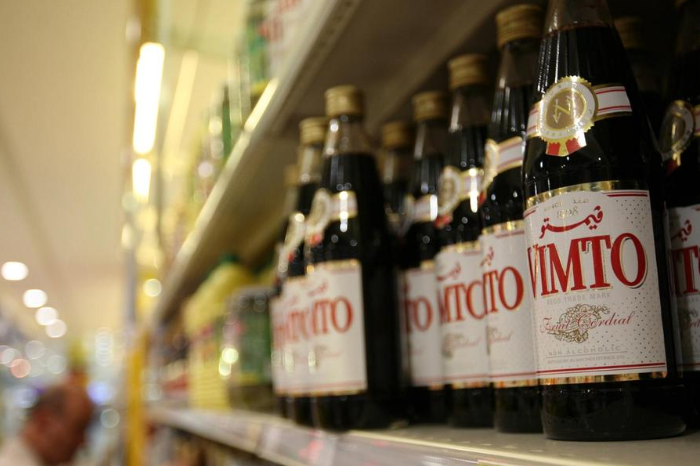

Nichols, the soft drinks group renowned for its iconic Vimto brand, has reported a 4.3% increase in group revenues year-over-year for the first quarter of its fiscal year, as mentioned in a trading update released today (April 21) ahead of its annual general meeting.
The company confirmed that it has remained unaffected by the ongoing conflict in the Middle East and is proactively implementing measures to address any potential future impacts.
For the quarter ending March 31, 2026, sales climbed to £41 million, up from £39.3 million during the equivalent period last year, indicating a strong start to the year that aligns with the board’s expectations.
Total Packaged revenues saw a 5.6% increase, propelled by impressive performances in both domestic and international markets.
UK Packaged revenues rose by 3.8% to £22.1 million (2025: £21.3 million), reflecting a sustained commitment to innovation, which is anticipated to positively influence results in the upcoming year.
International Packaged revenues jumped by 11.1% to £10 million (2025: £9 million), primarily driven by growth in West Africa. This success is attributed to heightened can export sales and a strategic transition to a concentrate model.
This growth was somewhat counterbalanced by lower revenues from the Middle East, which were expected due to the timing of shipments scheduled for the second half of the year.
Out of Home revenues declined by 3.3% to £8.7 million (2025: £9 million), mainly as a result of the planned exit from the lower-margin Starslush business and a strategic emphasis on profitability.
The group maintains a robust balance sheet, showcasing net cash and cash equivalents of £59.8 million at the end of the period (December 31, 2025: £55.7 million). This increase reflects expected year-end movements in working capital, along with the completion of investments in the business transformation program.
As previously announced, Matthew Rothwell joined the company as Chief Financial Officer on April 13, 2026, and is anticipated to join the board pending shareholder approval at today’s AGM.
The group’s revenue and adjusted profit before tax expectations for FY26, pegged at £183.1 million and £35.3 million respectively, remain unchanged.
The board is closely monitoring developments stemming from the Middle East conflict, as these may induce fluctuations in supply chains and key input costs.
While the business has not faced significant impacts thus far, the group is implementing proactive measures to manage potential disruptions, ensuring some near-term protection against cost inflation in the first half via contractual arrangements.
 As previously noted, the International Packaged business is anticipated to be more active during the second half of the year, mainly due to the scheduling of concentrate shipments to Africa and, to a lesser degree, shipments to the Middle East that will begin later in the year, primarily because of Ramadan’s timing.
This will affect the half-year financial profile, resulting in expected performance being skewed towards the latter half of the year, with first-half profitability anticipated to fall slightly short of the previous year’s figures.
The overall year projections remain stable, with ongoing positive trading momentum as the group concludes Phase 2 of its concentrate model transition.
Supported by the robust Vimto brand, the group’s diversified and asset-light business model, along with a clear growth strategy, provides a solid foundation for ongoing profitable growth in alignment with its medium-term financial and strategic goals.
CEO, Andrew Milne, commented: “We are pleased to have delivered a strong start to the year, with continued revenue growth and further strategic progress in Q1.
“Our UK Packaged division performed well, driven by successful innovation and effective execution of our strategic objectives established during our 2024 Capital Markets Day.”
“In the International Packaged arena, our planned strategic transition to a higher-margin concentrate model in several West African markets is yielding a significant improvement in margins, positioning us favorably for sustained long-term growth.”
He further stated: “While the conflict in the Middle East has had only a limited effect on our performance so far, we are taking proactive measures to manage possible disruptions, with contingency plans in place to mitigate any related commodity cost inflation. Our distribution routes are not directly affected by the most impacted shipping corridors in the region.”
“I am pleased to welcome Matt Rothwell to our team as the new CFO, bringing with him considerable expertise that we look forward to leveraging in the coming years.”
“We anticipate growth and performance in FY26 will align with market expectations as we implement our strategic priorities and achieve further progress towards our medium-term financial and strategic ambitions.”
Key Takeaways
- Nichols reports a 4.3% increase in group revenues for Q1 2026.
- No significant impact from the Middle East conflict noted so far.
- Sales reached £41 million, reflecting a strong start to the fiscal year.
- UK Packaged revenues grew by 3.8%, driven by innovation.
- International revenues rose by 11.1%, mainly due to West African markets.
- Plans are in place to manage potential disruptions from ongoing geopolitical tensions.
FAQ
What drove the revenue growth for Nichols in Q1 2026?
Revenue growth was primarily driven by strong performance in both the UK and international markets, including successful innovation strategies.
How has the Middle East conflict impacted Nichols’ operations?
So far, the conflict has had limited impact on performance, but Nichols is taking precautionary measures to address potential disruptions.
What are the future expectations for Nichols’ revenue and profit?
The group’s expectations for FY26 remain unchanged, with anticipated revenues of £183.1 million and a profit before tax of £35.3 million.
Who is the new CFO of Nichols?
Matthew Rothwell joined Nichols as the Chief Financial Officer on April 13, 2026, bringing valuable experience to the company.
What strategic changes is Nichols implementing in its International Packaged business?
Nichols is transitioning towards a higher-margin concentrate model, particularly in various West African markets.