Donald Trump has sparked concern with his latest unfounded medical claim, with experts warning there’s no truth to his bold assertion about one particular type of drink

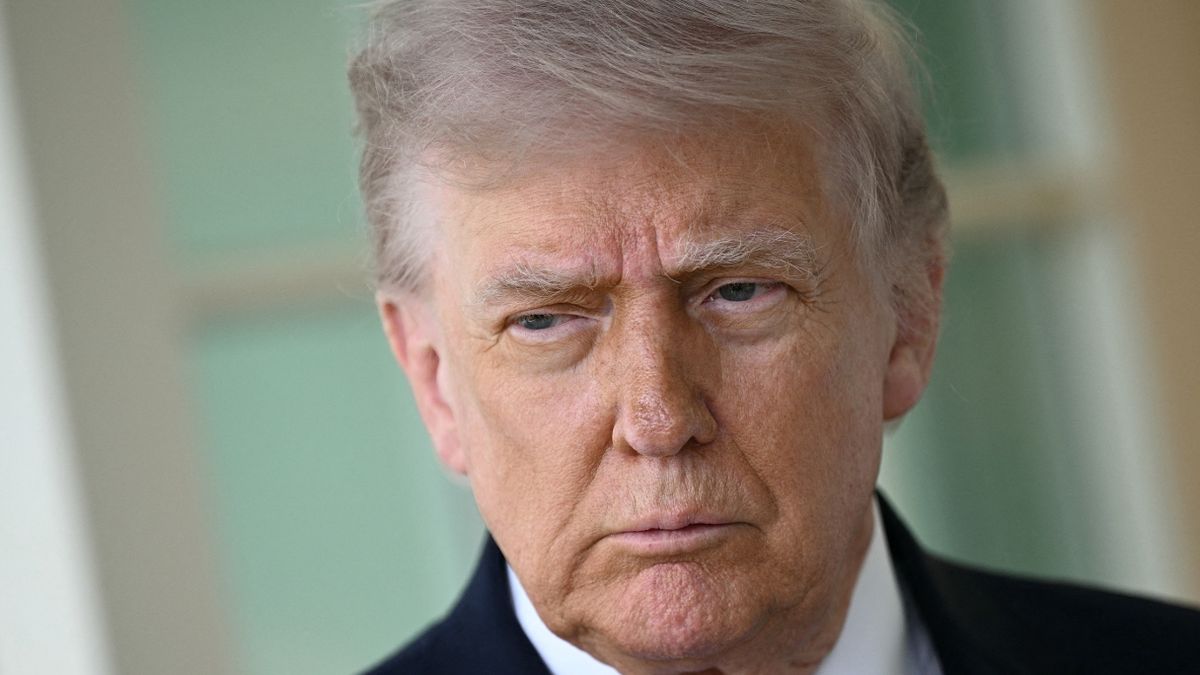
President Donald Trump reportedly believes that diet soft drinks ‘kill cancer’, alarming experts(Image: AFP)
The recent assertion by U.S. President Donald Trump regarding the benefits of diet soft drinks has left many medical professionals unsettled. This claim comes against a backdrop of ongoing scrutiny over Trump’s views on health-related matters. Throughout his public life, he has faced criticism for downplaying medical science on various topics.
Experts have dismissed Trump’s assertion that fizzy drinks can ‘kill cancer cells.’ In a recent podcast episode of Donald Trump Jr’s *Triggered with Don Jr.*, Dr. Mehmet Oz recounted a conversation with Trump, explaining: “Your dad argues that diet soda is good for him because it kills grass—if poured on grass—so therefore, it must kill cancer cells inside the body.”
Dr. Oz continued with a light-hearted story, recounting an encounter in Air Force One where he found Trump with an orange soft drink, to which Trump replied, “You know, this stuff’s good for me; it kills cancer cells.”
READ MORE: Donald Trump’s most manic health rants as spokesman forced to deny death rumours
In response to his father’s comments, Don Jr. remarked: “OK, OK, but then maybe he’s onto something. Because I will say this: I know a lot of guys pushing 80 — not a lot have his level of energy, recall, stamina.” Despite familial support, health experts remain skeptical. Umar Razzaq, a long-time pharmacist, emphasized that there is no scientific foundation for the claim that diet or any soft drinks can eliminate cancer cells in humans.
“While some drinks are acidic and can corrode surfaces like grass, this has little to do with cancer treatment or development in humans,” he stated. “The biological complexities of the human body require that cancer therapies be based on thoroughly-tested methods and approved medicines.” Razzaq added that misleading claims often stem from basic misunderstandings about chemistry and human biology, reiterating that diet soft drinks are not a cancer cure.
Similarly, Dr. Andy Gaya, a consultant oncologist, noted that while the comments might be intended as humor, they lack any basis in reality. “Your body closely regulates its pH levels, and drinking soda does not make your body acidic enough to eliminate cancer cells,” he clarified.
The recent unfounded claim is not an isolated incident; during the COVID-19 pandemic, Trump made various alarming assertions regarding health, including the false statement that 99 percent of cases were “totally harmless” and promoting unverified treatments. Additionally, he has perpetuated the inaccurate narrative linking autism with vaccines and has previously issued misleading remarks regarding abortion healthcare.
Dr. Gaya also elaborated on how such claims might have originated. He explained that while very sugary or acidic conditions can destroy cells in lab settings, the effects of consuming soft drinks are far more complex. In fact, these drinks can damage healthy cells just as much as any cancerous ones.
Trump’s recent comments raise alarms about the proliferation of misinformation, particularly regarding health topics. A report from NewsGuard highlights that nearly half of Americans accepted false online claims between 2025, with misleading AI-generated content significantly contributing to this issue.
Many may wonder what impact Trump’s claim about fizzy drinks may have. Dr. Tony Banerjee, a GP and founder of HarleyDoc, stated: “This claim may seem humorous until you realize how easily misinformation proliferates.”
“Such comments can unintentionally lend credibility to dangerous myths. When influential figures make casual remarks about health, some individuals may take them seriously. It’s crucial to remember that cancer should not be trivialized; if a substance genuinely affected cells indiscriminately, it would raise significant concerns about toxicity rather than being deemed a treatment.
“The public deserves access to clear, evidence-based health information. Mischaracterizing soft drinks as anticancer therapies only contributes to a culture of misinformation, especially when trust in health guidance is already precarious. While such comments may intend to be lighthearted, their impact matters. Those in power have a responsibility to avoid perpetuating myths that might mislead patients.”
Key Takeaways
- Trump’s claim about diet drinks ‘killing cancer cells’ has faced widespread skepticism from medical experts.
- The assertion seems rooted in misunderstandings of chemistry and human biology.
- Medical professionals emphasize the importance of evidence-based health information.
- Casual remarks by influential figures can contribute to the spread of misinformation.
- Soft drinks are not substitutes for scientifically approved cancer treatments.
FAQ
What did Trump claim about diet soft drinks?
Trump claimed that diet soft drinks can kill cancer cells, a statement dismissed by medical experts.
Why is this claim concerning?
Such beliefs can perpetuate misinformation and mislead the public regarding cancer treatments.
What do experts say about soft drinks and health?
Experts maintain that while soft drinks are generally safe in moderation, they are not effective treatments for cancer.
How might comments like these influence public perception?
Influential figures’ casual remarks about health can lead individuals to take these claims seriously, potentially endangering public health.
Do you have a story to share? Email me at julia.banim@reachplc.com