Hollywood revolves around identity and fame, but consumers are now navigating a landscape where anyone’s image can be misappropriated, thanks to the rise of AI-generated deepfakes. This evolution raises significant concerns for those in the entertainment industry.
To combat this issue, YouTube, the largest video-sharing platform globally, has stepped up with a proactive solution aimed specifically at Hollywood.
Executives from the Google-owned platform revealed to The Hollywood Reporter that their advanced deepfake detection technology, developed over several years, is now available for public figures at high risk of having their likeness exploited. Actors, athletes, creators, and musicians, irrespective of their presence on YouTube, can register to monitor and report deepfakes on the platform.
“I view this as a fundamental layer of responsibility,” emphasizes Mary Ellen Coe, YouTube’s chief business officer, in her interview with THR. “We’ve been refining this tool for quite some time, driven by our awareness of AI’s implications. Frankly, we haven’t fully grasped the potential risks yet, so we are collaborating closely with talent agencies and management firms to empower public figures to proactively address these issues.”
YouTube began pilot testing this tool nearly 18 months ago, extending it to select prominent creators a few months in and rolling it out to politicians and public officials earlier this year. Now, it is officially available to all those vulnerable to the damaging effects of this technology.
“What YouTube is doing is commendable, and I don’t say that lightly about many tech companies,” asserts Jason Newman, a partner at the management firm Untitled Entertainment. “They are providing these protective tools at no cost to talent, allowing them to safeguard their essential resources—namely, their identity and image.”
The launch of this tool’s expanded access comes at a time when the industry is confronting the rapid proliferation of deepfakes, which are increasingly becoming a reality for many entertainment figures.
Many recall the viral deepfake of Pope Francis wearing a trendy puffer jacket, which was among the first of its kind to capture widespread attention. However, the last six months have yielded two significant wake-up calls for Hollywood regarding the rise of deepfakes.
Last autumn, OpenAI introduced the Sora app, quickly inundating the platform with popular characters and intellectual properties, including portrayals of actors and historical figures like Martin Luther King Jr. This surge in AI-generated likeness manipulation was halted after instances of misuse, yet the ramifications lingered.
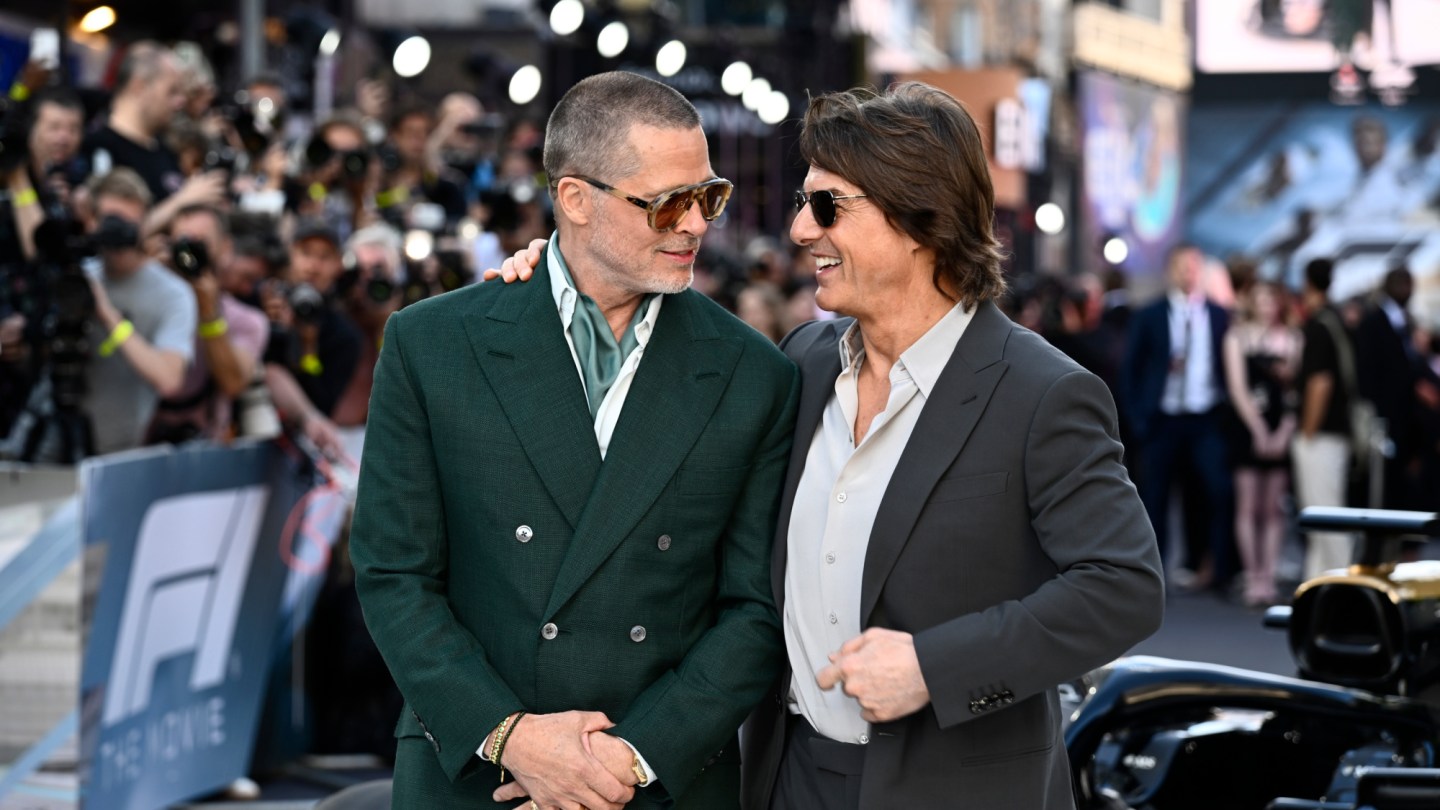
Then in February, viral videos created by Seedance 2.0 featuring a fictitious fight between Brad Pitt and Tom Cruise spread like wildfire. As one source remarked, it served as a sobering reminder for Hollywood: deepfakes are not only here, but they are advancing rapidly.

An AI-generated video featuring Brad Pitt fighting Tom Cruise, made using Seedance 2.0, went viral.
Seedance 2.0 / Ruairi Robinson
“In a single day, the Chinese AI service Seedance 2.0 significantly misused copyrighted U.S. works,” stated Charles Rivkin, MPA president and CEO, as videos of the fictitious battle between Pitt and Cruise circulated widely.
“You must consider that for public figures, their image and reputation are critical for their livelihood,” Coe notes. “The potential for these to be compromised is a crucial issue, especially since we’ve seen instances where this has occurred; it is essential for them to have some control and management over these situations.”
Coe began contemplating the development of this deepfake detection tool more than three years ago under the leadership of CEO Neal Mohan, who sought to harness the potential of generative AI for the platform.
Mohan penned a blog post at the time titled “Our Principles for Partnering with the Music Industry on AI Technology,” stating that “At this critical turning point, we must embrace this technology with a strong commitment to responsibility.”
The need for responsible application extended beyond music, especially as AI-generated audio surged, while video models were still evolving, marked by infamous examples like the unsettling “Will Smith eating spaghetti” deepfake. Later that year, YouTube introduced its first large-scale generative AI tool, known as “Dream Screen.”
As technology advanced, so did YouTube’s initiatives. The platform drew inspiration from its Content ID system, designed to identify copyright content uploaded to its servers.
“This is akin to the ability of public figures to manage their identity and how it is represented in the public sphere,” Coe explains.
Here is how the detection tool functions: A public figure, creator, or their representatives can opt-in and upload their likeness into the system. They do not necessarily need to have a public YouTube channel to participate. The tool then scans YouTube for potential deepfakes, flagging them for the figure’s team to examine. The team can decide whether to let the flagged content remain or request its removal.
However, it is important to note that a removal request does not guarantee the video will be taken down.
“There are many scenarios, such as parody and satire, where our community guidelines would permit that content to stay,” Coe adds. YouTube has a long history of allowing parody materials, even when they feature known individuals (viewers might expect that any parodic deepfake content would be clearly labeled as such).
Nevertheless, videos that depict “realistic and significant disparagement” as well as those involving “content replacement” could face removal if a request is submitted.
“If someone creates an exact replica of something that could impede the livelihood of a celebrity or creator due to its direct resemblance to their well-known work, that could warrant a takedown,” she elaborates. Essentially, if deepfake technology is utilized to create content closely resembling what the individual is famous for, it qualifies for removal.
The guidelines for whether this applies to, say, fan-made movie trailers, is somewhat vague.
YouTube began its pilot program for this tool in late 2024, collaborating with CAA.
Comedian Miles Fisher portrayed Tom Cruise using deepfake technology.
@DeepTomCruise
“Our objective with YouTube is to preemptively tackle this issue and to protect our clients while also safeguarding fans from misleading content,” comments Alex Shannon, CAA’s head of strategic development. “Typically, most AI-generated content featuring our clients is uncovered by accident, often after reputational harm has occurred.”
“It’s essential for us to defend the reputation and welfare of our talent; reputation is everything in this industry,” Coe adds. Early feedback from the pilot indicated its efficacy: “They had instances with a couple of public figures whose likeness was exploited, prompting alarm and urgency.”
The platform subsequently broadened the pilot program, including more individuals leading up to this announcement.
“Recognizing YouTube’s likeness protection as a proactive first step is vital. It provides our clients visibility on one of the largest search engines and within a system they already understand,” asserts Lesley Silverman, a partner at UTA. “The best part of this initiative is that it’s voluntary, offers no-cost participation, and can be utilized by public figures who aren’t actively engaged on YouTube.”
However, Hollywood’s approach to deepfakes and AI is more intricate than it appears. While casual observers might perceive a prevailing disdain, talent and executives display a surprising openness to the technology.
For instance, CAA has invested in two companies within the deepfake industry: Metaphysic and Deep Voodoo, signaling a belief in its creative potential.
Yet, Disney’s problematic collaboration with OpenAI highlighted that entertainment companies regard the technology as more than just a production tool—it’s viewed as a means for fan engagement.
Pam Abdy, co-CEO of Warner Bros. Pictures, captured this sentiment at a recent CNBC conference when discussing the rise of AI-generated fan trailers for Practical Magic 2.
“I know it isn’t ideal, but it’s also thrilling, signifying a demand and engagement with the movie,” Abdy expressed.
“Things could be worse regarding my image,” added Practical Magic 2 star Sandra Bullock, who shared the stage with Abdy. “It’s a reality we must observe, understand, and embrace. We must tread very carefully as some might exploit it maliciously.”
Interestingly, during the pilot, many creators only requested the removal of a minor fraction of flagged content.
One prominent YouTube creator indicated that most of the AI-generated representations they’ve encountered were benign, if not supportive.
This trend appears to be more common than the sensational incidents involving Pitt and Cruise, as fan-generated parodies seem to outnumber derogatory clips.
“I think there are individuals who feel any use of an image should require consent, and that’s a reasonable viewpoint,” Shannon observes. “However, in general, we find that most are excited about fans wanting to engage and celebrate them.”
“The reality is this content is being produced, and it’s circulating,” Silverman remarks. “So the pivotal question is whether talent has insight into that, and whether a framework exists for them to respond. With this new feature, they indeed have that ability.”
This leads to a more complicated discussion about monetization.
With the implementation of Content ID, copyright holders can address infringing videos by requesting their removal, monetization, or sharing revenue with the uploader.
In a future where likeness could become intellectual property, will celebrities be able to profit from deepfakes created by fans?
Notably, YouTube’s current tool does not offer this functionality, but Coe suggests it’s a consideration for the future.
“We need to prioritize this foundational responsibility and protection before exploring rightsholder monetization options,” Coe affirms. “At this juncture, the focus is on establishing that layer of responsibility.”
Agents, managers, and attorneys are already contemplating the potential for monetizing likeness through deepfakes. CAA has even established the “CAA Vault” to safeguard clients’ likenesses for future monetization opportunities.
“This is undoubtedly a complex challenge that we are actively exploring,” Shannon states. “It becomes increasingly intricate when dealing with content featuring multiple talents, as differing permissions may complicate matters. A significant amount of complexity arises.”
Nevertheless, AI and deepfakes have become focal points in YouTube’s strategic approach, as the platform aims to assist creators in navigating this evolving terrain while acknowledging potential risks from synthetic content.
In a letter to YouTube creators earlier this year, Mohan highlighted deepfakes as one of his four top priorities.
“Ultimately, our mission is to ensure that AI serves everyone who contributes to making YouTube a vibrant community—creators, artists, partners, and millions of viewers eager to capture, experience, and share meaningful connections,” he commented.
Even if monetization doesn’t materialize, the technology YouTube has implemented to identify deepfakes remains crucial and timely. As emphasized by numerous sources, it is a vital asset for an industry undergoing technological change. This feature will likely benefit anyone vulnerable to targeting.
“It’s akin to fire insurance—you may think you are immune, but when disaster strikes, you’ll be grateful for the protection,” Coe concludes. “The peace of mind and control this offers cannot be understated.”
As Newman puts it, “When Kim Kardashian travels, she always has security. Why should we not extend that security to our digital presence?”