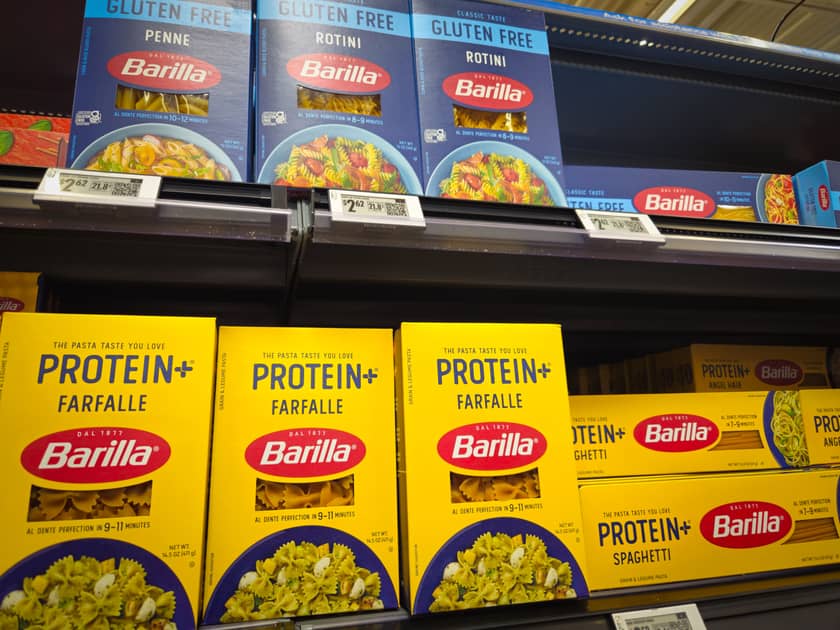
Once upon a time, the mention of “protein” often conjured up images of gym enthusiasts in eye-catching tank tops on their way to local health stores. However, today, protein has found its way into mainstream culture, appearing in diverse food options and everyday conversations.
Protein is ubiquitous now, with a plethora of protein powders and sometimes unpalatable bars saturating the market. It’s prominently featured not only in restaurants but also in unexpected products, including toaster pastries. This change reflects a significant cultural shift towards healthier living, where many Americans are increasing their protein intake while reducing carbohydrate consumption.
The Protein and GLP-1 Connection
The rising popularity and accessibility of GLP-1 medications, such as Ozempic and Wegovy, align closely with the growing demand for protein:
- A 2025 Gallup report indicated that approximately 12% of Americans (around 30 million) were using weight loss medications, a rise from 6% in 2024. In a separate study, this figure was reported as just 2.9% in 2019.
- The 2025 IFIC Food & Health Survey revealed that 71% of Americans have increased their protein consumption. A study by Cargill reported that only 48% of people were boosting their protein intake six years prior.
Businesses Embracing the Trend: General Mills generated $100 million in revenue in the U.S. from its protein-enhanced cereals in fiscal 2024. PepsiCo, known for Doritos Protein, anticipates continued growth in the protein sector. Additionally, a study by the beef snack brand Chomps found that protein-rich snacks are currently growing at triple the rate of the overall snacking industry.
Targeting Health-Conscious Consumers: It seems that simply labeling a product with “protein” makes a difference. A 2025 survey conducted by the National Frozen & Refrigerated Foods Association revealed that 46% of individuals using GLP-1 medications are more inclined to buy frozen food items that are rich in protein.
In Conclusion: As the cost of GLP-1 drugs continues to decline and more oral options become available, the appetite for protein could see even greater increases. According to research from a food and beverage consulting firm, the global protein market, valued at $56 billion last year, is expected to exceed $100 billion by 2034. —DL