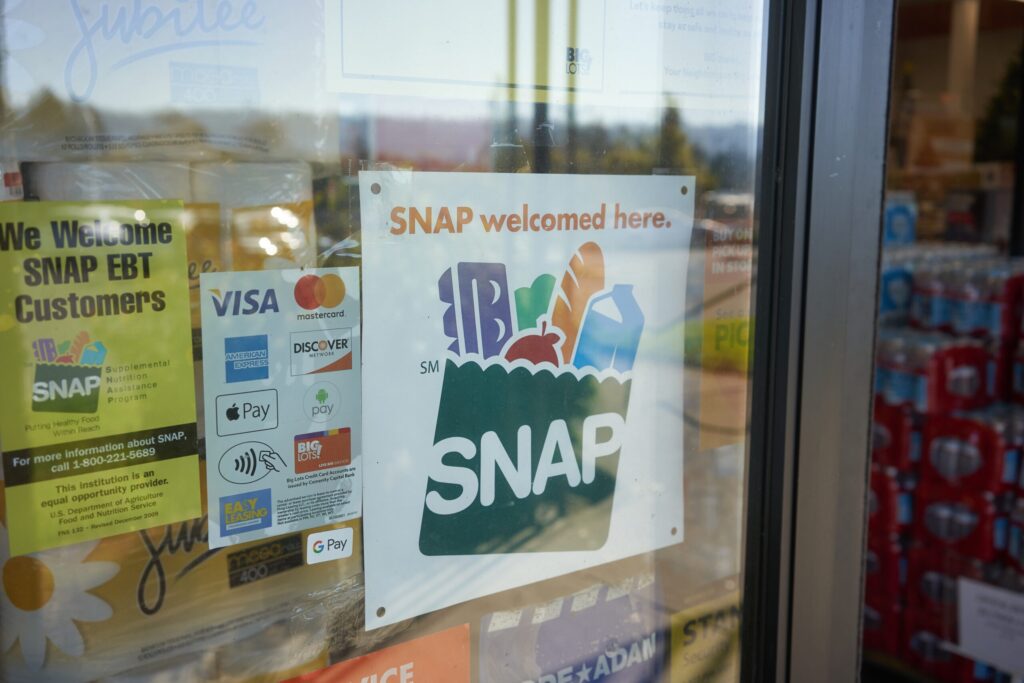
Montana Governor Greg Gianforte has submitted a waiver to the federal government aimed at limiting certain food purchases through the Supplemental Nutrition Assistance Program (SNAP). This initiative targets “soft drinks, junk food, and candy” as part of a broader approach to promote healthier eating habits.
The waiver falls under an initiative initiated during the Trump administration, which seeks to “Make America Healthy Again,” and is supported by Robert Kennedy Jr., the Secretary of Health and Human Services.
If approved, this proposal would align Montana with over 20 other states that are either in the process of or have already enacted measures to exclude soft drinks and candy from SNAP transactions.
Montana’s waiver request, as clarified by a press release from the Governor’s Office, will not affect the eligibility of fresh baked items for SNAP benefits, commonly referred to as “food stamps.”
In a correspondence to U.S. Secretary of Agriculture Brooke Rollins, Gianforte expressed that the waiver aims to decrease high-sodium foods while promoting the consumption of fruits and vegetables. There are concerns regarding federal budget cuts affecting access to certain fresh produce, particularly through farmers markets.
Although the specifics of Montana’s waiver were not disclosed, the Governor’s Office noted that it establishes categories for restricted foods, including a standardized definition of candy and prepared desserts, which encompasses packaged snack cakes, while continuing to allow access to protein bars and fresh bakery products.
According to the release, the waiver targets beverages that contain more than 10 grams of sugar per 8 ounces, along with energy drinks.
An Oklahoma SNAP waiver, which has considered similar regulations, states that candy does not include “Baked goods, such as cakes, cookies, muffins, brownies, pastries, bread, or similar products that are typically subject to Cottage Food Laws or Food Freedom Laws; Items primarily identified and sold as bakery or bread products, regardless of sweetener content.”
Moreover, the Oklahoma waiver clarifies that soft drinks exclude coffee or unsweetened tea, as well as 100% fruit or vegetable juice and milk.
Some critics in various states have drawn parallels between these proposals to penalizing those in poverty, arguing that individuals relying on SNAP should have the same purchasing freedoms as others. Additionally, there are concerns about potential implementation costs for retailers and enforcement challenges.
Previously, Montana pursued state legislation in the 2025 session, where Senator Daniel Zolnikov, R-Billings, introduced Senate Bill 354, which sought to prohibit the purchase of soft drinks and candy using SNAP benefits. While the bill successfully passed the Senate, it ultimately failed in a House Committee.
“This waiver is a critical step in addressing the growing concern of diet-related chronic conditions across our state,” stated Charlie Brereton, Director of the Montana Department of Public Health and Human Services, in a press release. “By aligning SNAP purchases with national dietary guidelines, we are directly supporting Montana’s goal to reduce the consumption of sugary drinks, candy, and other foods that contribute to adverse health outcomes, including obesity and type 2 diabetes.”
In his letter, Gianforte highlighted that Montana’s obesity rate stands at 31%, with 32% of residents affected by hypertension.
“We know that a healthy diet is key to improving outcomes,” the letter states. “By reducing high-sodium foods and increasing the intake of produce, we can help ensure that Montanans lead happier and healthier lives. The items proposed for restriction are significantly linked to obesity, type 2 diabetes, and cardiovascular disease.”
Key Takeaways
- Montana’s Governor submitted a waiver to limit certain food purchases within SNAP.
- The waiver targets soft drinks, junk food, and candy.
- This initiative aligns with a national push to improve dietary habits.
- Over 20 states are pursuing similar actions.
- Critics argue it may penalize low-income individuals and create enforcement difficulties.
- The waiver seeks to promote the consumption of healthier food options.
FAQ
What foods are restricted under the waiver?
The waiver aims to restrict soft drinks, candy, and junk food among SNAP purchases.
Will fresh baked goods be affected?
No, fresh baked products will still be eligible for SNAP benefits.
How does this relate to other states’ actions?
Montana’s proposal is part of a broader trend, with over 20 states considering similar restrictions.
What concerns have critics raised?
Critics worry it could disproportionately affect low-income individuals and may be costly for retailers to implement.
What health issues does this initiative aim to address?
The initiative focuses on reducing rates of obesity, type 2 diabetes, and cardiovascular disease in Montana.
In conclusion, Montana’s waiver proposal seeks to reshape food purchasing options for SNAP beneficiaries, aligning them with healthier dietary practices. As similar discussions continue in multiple states, the debate over access, health implications, and individual rights remains ongoing.