YouTube has introduced exciting updates to its Media Kit aimed at helping creators better communicate their channel’s audience and performance to potential partners. Alongside this, the platform is rolling out more artificial intelligence (AI)-driven tools within its dedicated video editing app.
These improvements begin with enhanced Media Kit features that provide creators with new ways to present their channel’s performance metrics.
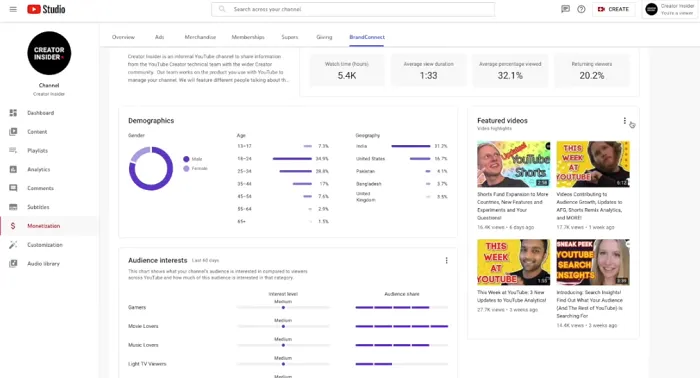
This Media Kit, which became available to all creators as part of the YouTube Partner Program last October, allows creators to generate PDF summaries of their channel statistics, facilitating the process of securing branded content collaborations.
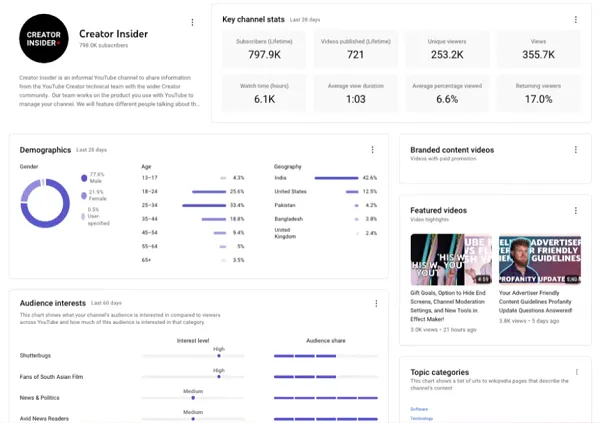
The Media Kit overview features subscriber counts, video posting frequency, and unique viewer stats. Recently, YouTube announced it would also integrate more detailed demographic insights.
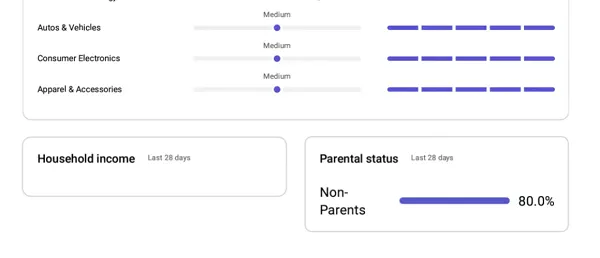
One notable addition is the “Family Status” metric, which indicates the percentage of a channel’s audience that comprises parents or non-parents, depending on the specific focus of the channel.
Another key element is the “Household Income” statistic, providing deeper insights into the demographic profile of the audience reached by each channel.
This information could prove invaluable for brands looking to engage with suitable creators and facilitate more sponsored content deals.
In addition to the Media Kit updates, YouTube is also making available Google’s innovative AI-based image generation tools within its YouTube Create app.
YouTube Create is a specialized video editing tool that resembles offerings like Meta’s Edits and ByteDance’s CapCut, enabling users to access a variety of functions that simplify the process of creating intricate video clips.
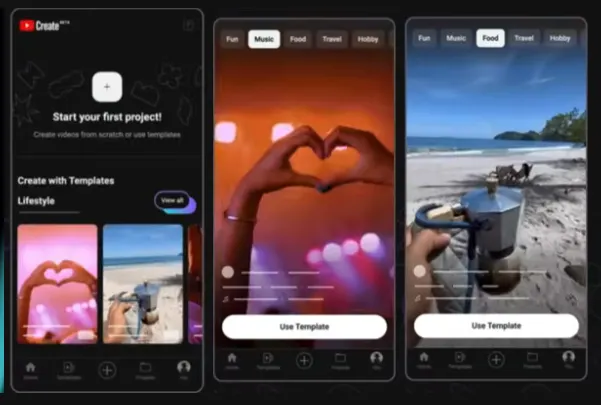
Users will soon be able to create content using Google’s latest Nano Banana image generation model.
YouTube states, “This upgrade will enable users to leverage text prompts and reference images to produce generative AI images. Creators can upload up to three images from their device’s media library as inputs for the generation process.”
As YouTube gradually expands its range of AI generation tools, parent company Google aims to increase interest in its AI capabilities.
However, questions persist about the potential impact of these generative AI tools on actual creativity, raising concerns that they could overshadow genuine artistic expression.
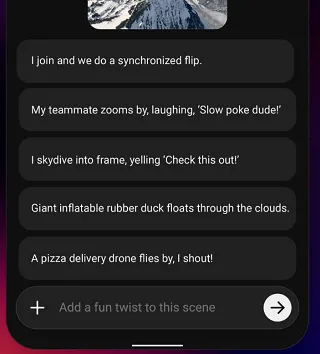
For instance, last month, YouTube enhanced the accessibility of its Reimagine feature for Shorts. This functionality allows users to convert a single frame from an existing Shorts video into an entirely new eight-second clip, powered by Google’s Veo AI generation model.
Although users don’t have direct control over the content of the AI-generated transformation, the Reimagine feature provides them with a selection of options for different interpretations.
This move seemingly contradicts the creative spirit that initially defined YouTube, as AI-generated outputs are not truly representative of an individual creator’s ingenuity. Expanding access to these generative AI tools could risk flooding the platform with low-quality content rather than stimulating creative thought and exploration.
Nonetheless, AI is a dominant force in today’s technology landscape, and Google recognizes the importance of investing heavily in this domain. Thus, it follows that YouTube would want to highlight these advancements, even if the benefits might not align with the grand introduction claims.