Published April 7, 2026 01:24PM
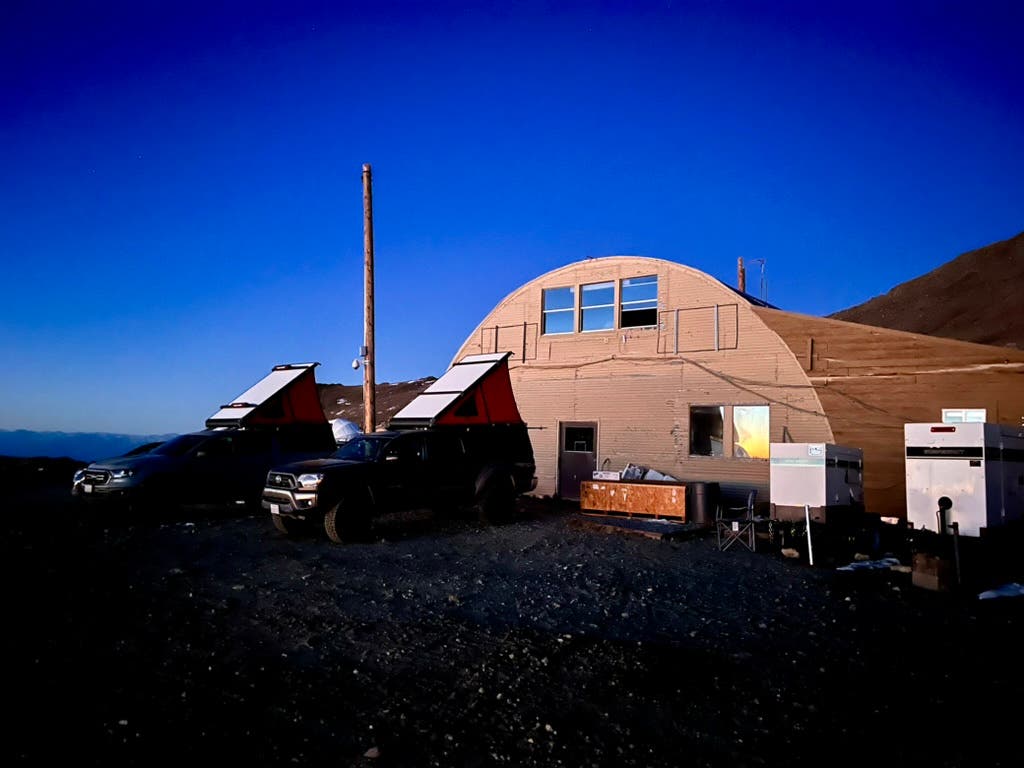
In August 2024, an afternoon adventure unfolded high in California’s White Mountains. Tatum Simonson, an associate professor and expert in altitude adaptation from the University of California, San Diego, arrived at Barcroft Station with her team of volunteers. This off-grid research station, perched at an elevation of 12,470 feet amidst rugged peaks, quickly revealed the physical challenges of high-altitude living. Within hours, participants began experiencing the unmistakable discomforts of altitude sickness, including severe headaches, nausea, and restless nights—a reaction to the lower oxygen levels as they ascended.
Traditionally, mountaineers have relied on gradual ascents and the medication acetazolamide, commonly known as Diamox, to mitigate these symptoms. However, Simonson pondered whether another factor at play—the gut—was being overlooked.
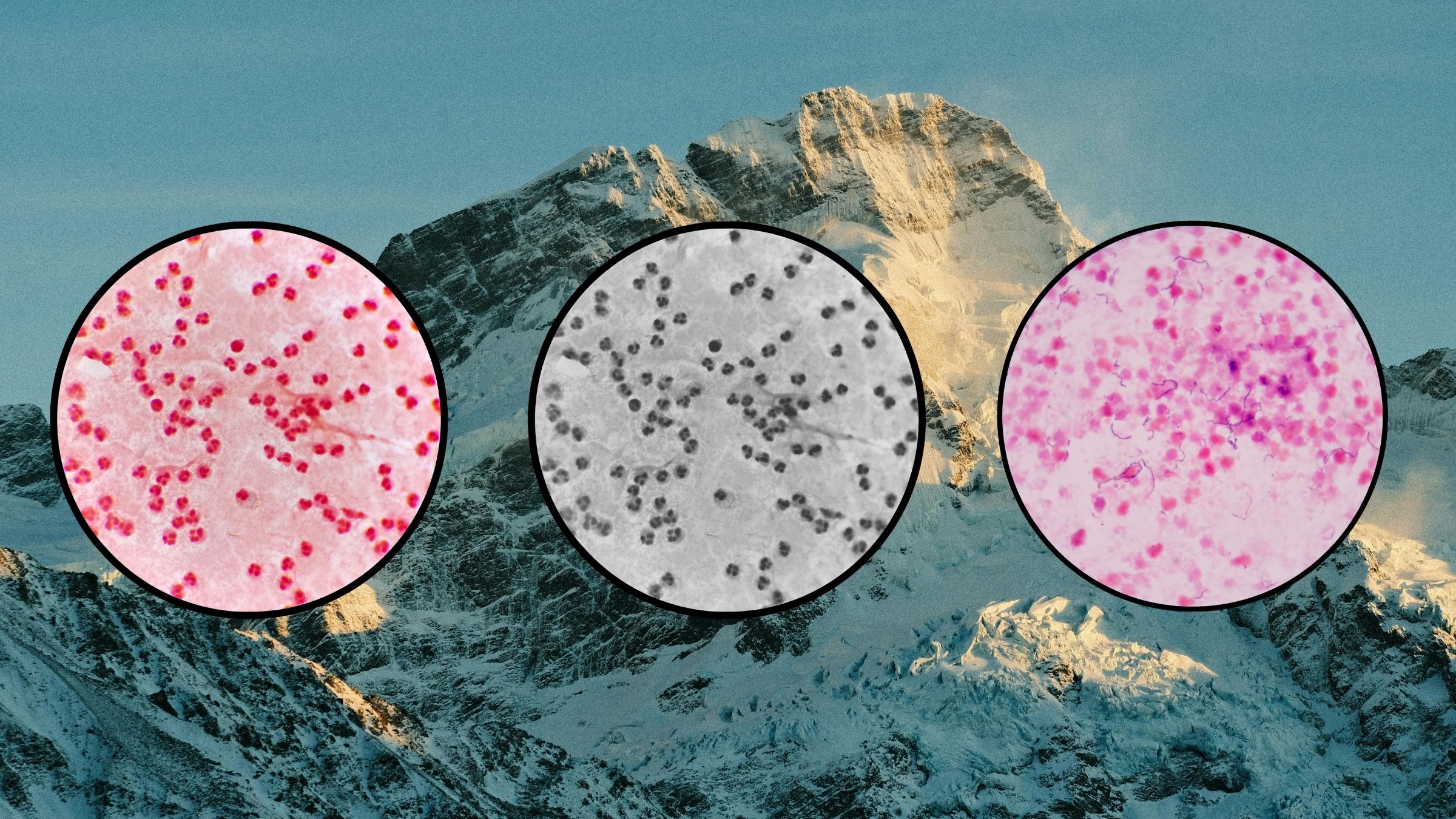
Our bodies are home to countless microorganisms such as bacteria and fungi, which comprise nearly half of our body’s cells. Interestingly, their genetic material may outnumber our own by 100 to one. At high altitudes, when oxygen levels dip, the intestinal microbiota also experience stress, potentially influencing how the body perceives and reacts to low oxygen levels.
“Gut bacteria continuously send signals to each other and to the body’s cells, some of which reach far beyond the gut, even to the brain,” Simonson explained to Outside.
When faced with altitude sickness herself, Simonson began to wonder: Could these microbial signals shed light on why certain individuals suffer more profoundly at high altitudes?
The Stages of Altitude Sickness
- Altitude sickness can manifest in three stages:
- Acute mountain sickness: The most common and mild form.
- High altitude pulmonary edema (HAPE): Characterized by fluid accumulation in the lungs, requiring immediate medical attention.
- High altitude cerebral edema (HACE): A severe condition marked by swelling in the brain, necessitating urgent care.
- If left untreated, HAPE can be fatal within 12 hours, while HACE can lead to death in 24 hours.
- For safe acclimatization, remember: ascend slowly (no more than 1,000 feet daily), stay well-hydrated, and continue regular caffeine intake if you’re accustomed to it; cessation can lead to withdrawal headaches, complicating the differentiation between caffeine and altitude-induced headaches.
Simonson’s fascination with high-altitude physiology led her to the Tibetan Plateau 15 years earlier, where she conducted field research in Madou County, Qinghai province, at an elevation of 14,241 feet. There, she analyzed the genomes of Tibetan, Han Chinese, and Japanese populations to comprehend how Tibetans have thrived in extreme altitudes. “I felt the altitude’s impact firsthand while handling heavy equipment at a small hospital,” she recalled. Although prescribed Diamox, she found the medication’s side effects, such as tingling in her hands, quite uncomfortable.
Her research eventually focused on the genetics of Tibetan individuals, who have adapted to these conditions over millennia. Simonson’s inquiry expanded into the Andes and incorporated the microbiome, collecting stool samples from populations living at high elevations.
The gut microbiome is crucial for digestion and immunity and may also be tied to mental health. Simonson’s inquiry evolved: Could she modify an individual’s microbiome to enhance their high-altitude resilience?
How Low Oxygen Affects the Gut at High Altitudes
Even those accustomed to climbing can feel the adverse effects of altitude sickness. Research indicates that nearly 80 percent of individuals suffering from acute mountain sickness report gastrointestinal symptoms, as the reduced pressure and oxygen levels at elevation can alter gut bacteria. These issues manifest as high-altitude flatus expulsion. Among Everest climbers, symptoms like diarrhea, nausea, and vomiting frequently occur even in the presence of clean drinking water during high ascents.
Mountain guide Emilie Drinkwater is no stranger to these ailments. With professional experience since 2001 and as the ninth American woman to achieve IFMGA certification, she navigates various high-altitude environments. “At altitude, I often feel unwell,” she shares. “The predominant symptom is a sense of nausea, making it difficult to eat above 15,000 feet. I’ve always linked this to intestinal hypoxia (reduced oxygen in bodily tissues). Additional symptoms encompass fatigue, headaches, and poor sleep.” While she utilizes hydration and Diamox to manage headaches and sleep disruptions, the nausea and appetite loss persist, leading to weight loss during prolonged expeditions.
A key explanation for nausea and decreased appetite may lie in the compromised intestinal barrier—the protective lining that contains bacteria and their byproducts. This barrier can weaken at high altitudes.
“In hypoxic conditions, the intestinal barrier begins to ‘break down,’ allowing bacteria fragments to enter the bloodstream, which can trigger an inflammatory response,” explains Zach McKenna, an assistant professor of exercise science at the University of Arkansas, who investigates the effects of altitude and environmental stressors on the intestinal barrier.
The brain acts as a control center in response to falling oxygen levels, signaling for increased breathing at high altitudes. Yet, the gut may also convey signals to the brain via the gut-brain axis, a bidirectional network of nerves and immune signals. Supporting gut health with probiotics could bolster these signals.
Nevertheless, experts recognize that the gut remains a complex enigma. “We still lack a comprehensive understanding of gastrointestinal issues during high-altitude exposure,” notes McKenna. Likely culprits include oxidative stress, damage to blood vessels, and intestinal barrier compromise, all interlinked with low oxygen levels and blood circulation changes during altitude exposure and exertion.
With this in mind, could probiotics prove beneficial?
Climbers Experiment with Probiotics in a High-Altitude Laboratory
To investigate this hypothesis, Simonson and her team assembled 17 volunteers at Barcroft Station, an ideal high-altitude research facility, to explore how a probiotic might influence oxygen levels, sleep, and gut-brain communication in real-world conditions. Participants received either a probiotic with multiple bacterial strains or a placebo, administered before ascent and as often as three times daily during the climb.
“Within a few hours and over the subsequent days, we monitored their oxygen levels,” Simonson reported. “Participants taking the probiotic exhibited higher oxygen saturation and overall improved well-being. Sleep, often disrupted at high altitudes, showed that they maintained higher oxygen levels even while resting.” These findings are significant as they indicate possible gut-to-brain signaling that triggers positive physiological responses.
The results, published in the journal iScience, are promising, though preliminary. Simonson views this study as exploratory and anticipates further investigations into various probiotic strains and their timing during ascents to evaluate gut responses at high elevations. “Responses to probiotics can vary among individuals, and longer studies with larger participant pools are essential,” she emphasizes.
“These findings show promise,” states McKenna. He concurs that Simonson’s study requires replication with broader groups and more direct measurements. “While the association between gut barrier function and acute mountain sickness remains unproven, probiotics may yield benefits across multiple aspects,” he posits.
For instance, research published in 2025 by Frontiers in Nutrition suggests that probiotics may help safeguard cells from oxidative stress. Other recent studies have indicated that probiotics can help in reducing cognitive decline for individuals afflicted by neurodegenerative diseases like Parkinson’s and Alzheimer’s.
Implications of Future Gut Microbiome Research for Climbers
If the gut indeed plays a role in managing altitude sickness, it could significantly impact mountaineering safety. Maintaining clear judgment is crucial for successful expeditions. “I must be capable, competent, and strong to make wise risk decisions for myself and the team,” notes Drinkwater, prioritizing acclimatization, hydration, and rest. She regularly checks on her team members to understand their well-being.
Unraveling how probiotics and gut health influence altitude sickness represents an exciting frontier in scientific inquiry, enhancing our understanding of the microbial ecosystem within us and its shifts at high elevations.
When questioned about taking probiotics herself, Simonson chuckled: “I would definitely consider it.” She would also ensure her husband takes one, given that he experiences altitude effects more acutely.
Interested in more Outside health stories? Sign up for the Bodywork newsletter.


