Cardiovascular disease is a major health concern in Europe, causing the loss of about 1.7 million lives each year. This alarming statistic highlights the urgency of addressing heart health in the region.
Currently, around 62 million Europeans are living with cardiovascular conditions. Given the ageing population, projections indicate this number could exceed 100 million by 2050, leading to millions facing chronic health challenges, diminished quality of life, and escalating pressures on healthcare systems and society as a whole.
Artificial intelligence (AI) offers a promising solution to mitigate the estimated one in five preventable deaths related to cardiovascular disease and enhance the early detection and treatment options for those affected. A recent JRC report explores the current applications of AI in cardiovascular care. It evaluates the effectiveness of the most innovative uses, identifies obstacles to broader implementation, and provides policy recommendations to harness AI for tangible advantages for patients, healthcare professionals, and health systems.
AI: A Game Changer in Cardiac Care
A variety of AI tools are already integrated into clinical practices within European hospitals.
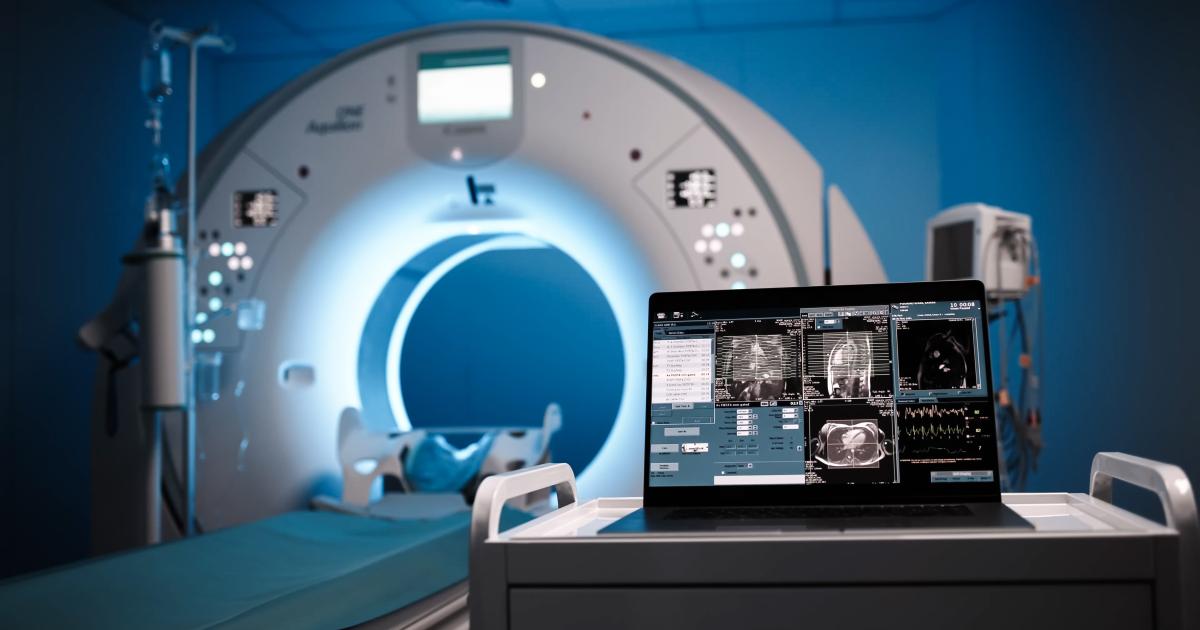
For example, AI can automatically conduct coronary artery calcium scoring from CT scans, measuring calcium deposits in the heart’s primary blood vessels. This method ranks among the most reliable predictors of future heart attacks, with AI achieving accuracy comparable to that of specialist radiologists.
Moreover, AI can analyze CT scans of the coronary arteries to assess whether a narrowed blood vessel is restricting blood flow to the heart, employing a method known as CT-derived fractional flow reserve. This information aids clinicians in determining which patients require surgical intervention to reopen arteries and which can be managed with medication alone.
In emergency stroke care, AI can identify significant vessel blockages in brain CT scans within seconds, automatically alerting hospital staff to expedite treatment, subsequently improving patient outcomes.
Potential Yet to Be Fully Realized: While innovative AI applications are continuously being developed, comprehensive clinical trials are essential to validate their true benefits before routine use.
For instance, AI tools can detect subtle warning signs for strokes through pattern recognition in routine electrocardiogram tests, which may remain unnoticed by medical professionals. Initial results are promising, but further clinical trials are necessary to determine if AI-guided screenings can effectively prevent strokes.
Unlocking the Potential of AI in Healthcare: Accessible and Secure for All
Researchers at the JRC believe wholeheartedly in the transformative potential of AI to enhance healthcare. By facilitating early detection, expediting diagnoses, and paving the way for personalized treatments, AI can significantly improve patient outcomes, lower costs, and alleviate pressure on Europe’s already strained healthcare systems.
Despite this potential, the report identifies several obstacles to fully utilizing AI in cardiovascular care and outlines steps the EU could take to bring this vision to fruition:
- Prioritizing clinical evidence. Funding should focus on the independent validation and comparison of competing tools, emphasizing not only technical performance but also improvements in patient outcomes and cost sustainability.
- Investing in infrastructure. Numerous hospitals lack the necessary IT systems for effective AI deployment. Without dedicated investments, there’s a risk that AI could widen existing disparities in cardiovascular care across Europe.
- Simplifying regulations. Navigating various regulatory frameworks imposes a disproportionate burden on small firms and start-ups that create many AI cardiovascular tools. The EU is already working on measures to streamline conformity assessments and reduce administrative challenges.
Supporting Healthy Heart Policies in Europe through JRC Science
This report is part of the European Commission’s Safe Heart Plan, which aims to improve cardiovascular health and decrease the burden of cardiovascular disease throughout Europe.
Under the digital health pillar of this initiative, the Commission has launched a €20 million flagship initiative designed to accelerate the integration of AI and data-driven tools in cardiovascular care. This includes developing standardized technical specifications and guidance to ensure clinical integration, with the goal of establishing a comprehensive strategy for cardiovascular AI deployment by 2030. This approach aims to facilitate equitable access to innovations across member states.
This report lays a vital scientific foundation to inform the Plan and its wider policy objectives.