Is It Time to Enhance Women-Only Fitness Spaces?
As the fitness industry evolves, it’s crucial to question whether traditional gym environments have adequately catered to women. A recent white paper titled “Women & the Gym: Unmet Needs and the Role of Women-Only Spaces,” spearheaded by Total Fitness CEO Sophie Lawler, highlights significant barriers that women face in gym settings based on comprehensive research conducted in the U.K. This report may hold valuable insights for gym operators globally, including in the U.S.
A Cycle of Starting Over
The experience of gym membership is often inconsistent for many women, and a striking statistic shows that half of female non-members have previously held a gym membership. This suggests that absences are often due to life changes rather than a lack of interest in fitness. Compounding this issue, only 19% of current female members have maintained their memberships continuously over the past decade. In contrast, 41% of female non-members report taking multiple breaks during this timeframe, illustrating that breaks are a common phenomenon in women’s fitness journeys.
Rejoining can be daunting for many women, so it’s important for gyms to create environments that are welcoming and adaptable to returning members. Flexibility in contracts, a specialized onboarding experience, and staff trained to support women re-entering the fitness space can make a significant difference. Current research indicates that half of female members consider staff presence essential for their sense of safety and comfort, also emphasizing cleanliness and a less crowded atmosphere as vital factors in their gym experience.
Engaging More Women
Fortunately, only a third of female non-members claim they are uninterested in joining a gym, leaving two-thirds open to the possibility. Financial constraints, however, are the primary barrier for 42% of these women. The report notes that cost perceptions often relate to how gym memberships stack against other household expenses.
Additionally, some potential members cite injuries, self-image concerns, or a lack of representation in the gym as barriers to joining. “Designing for participation is about making the initial step feel achievable,” the report concludes.
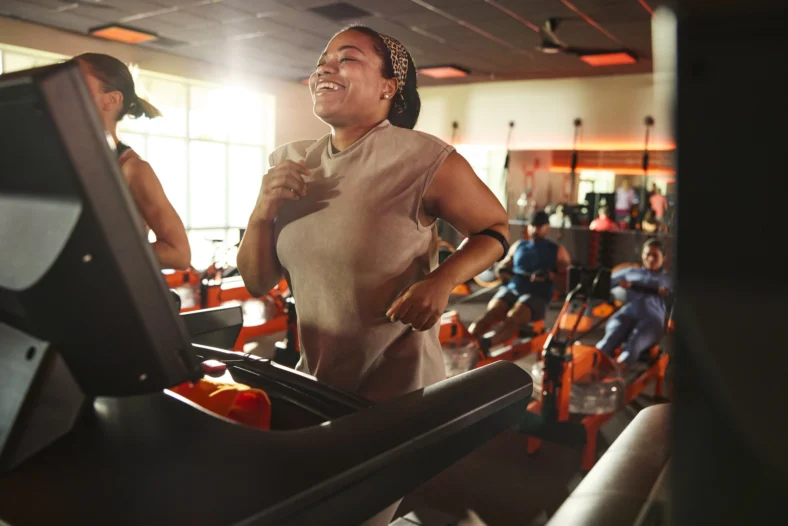
Marketing strategies are crucial as well. Social media research indicates that more relatable fitness influencers can generate higher engagement than hyper-attractive ones. Brands like Orangetheory are adapting their messaging by sharing authentic member stories to better connect with potential members.
The Rise of Women-Only Spaces
The discussion around women-only fitness spaces remains a contentious one, yet many women revel in these environments. Total Fitness’ research indicates that nearly half of the members at their women-only locations were not active in any gym prior to joining, with comfort being the primary motivator for 76% of members.
Moreover, participation rates surged significantly after women joined these spaces, with 22% reporting no physical activity prior to membership, dropping to only 1% afterward. Consequently, some of these facilities now have waitlists, indicating a strong demand.
In the U.S., various operators have started responding to this demand for women-only spaces, provided they comply with local laws. New ventures like Tension, a Brooklyn-based women’s strength training studio, highlight this trend along with offerings from established gym chains like The Edge Fitness and Amped Fitness, which feature women-only workout zones.
Even the long-standing women-only chain Curves is experiencing a revival as they expand their franchise opportunities in response to increasing demand for comfortable, supportive workout environments for women.
“Women are becoming more intentional about their workouts, seeking safe and supportive spaces that align with their fitness goals,” explains Joanna Dase, COO of Curves. “What we observe today is not merely growth, but a transformative shift in women’s fitness preferences.”
As the fitness landscape continues to evolve, creating environments that consider the unique experiences and needs of women can empower them to embrace their fitness journeys more fully. By addressing common barriers and enhancing engagement, fitness facilities can unlock new opportunities for encouraging female participation.