
Chronic inflammation, which signifies a prolonged activation of the immune system, plays a vital role in the development of various diseases. Diet is a significant factor influencing inflammation levels in the body. Therefore, it’s beneficial to consider what is often referred to as the “anti-inflammatory diet.” However, it’s important to note that there isn’t a universally accepted anti-inflammatory diet; instead, it largely depends on what foods you avoid as much as those you choose to consume.
To help you get started, here’s a simple guide of what to prefer and what to avoid.
Foods to Avoid
Avoid “ultra-processed” foods, which comprise a wide array of packaged items. This category includes microwaveable meals, hot dogs, chicken nuggets, dehydrated soups, baked goods, sugary cereals, processed meats, biscuits, and sauces.
These items are often devoid of nutritional benefits. In fact, they tend to be loaded with salt, added sugars that can spike blood sugar levels, and saturated fats that may elevate “bad” LDL cholesterol. All these components are linked to increased inflammation within the body.
A 2025 report in the journal Nutrients indicates that ultra-processed foods can alter gut bacteria, damage the gut lining, and activate inflammatory genes in cells. Additional research has associated these foods with shortened lifespans, cancer, heart disease, heart attacks, strokes, and diabetes.
The main culprits include foods high in added sugars, whether from cane sugar or other sweetening agents. This encompasses sodas, sugary beverages, cookies, candies, and ready-made salad dressings, as well as flavored yogurts and jarred pasta sauces.
Moreover, sugar substitutes such as aspartame, erythritol, and sucralose are not always healthy alternatives. Some studies even suggest that certain substitutes might provoke inflammation. However, stevia and monk fruit may have anti-inflammatory properties, though it’s best to steer clear if these are included in ultra-processed foods.
Other foods that may exacerbate inflammation include white bread, refined cereals, white pasta, and products made with refined flours, along with white rice, as white flour can directly contribute to pro-inflammatory effects.
You should also limit consumption of butter, cheese, ice cream, deep-fried dishes, and processed or cured meats.
Foods to Include
To combat inflammation, choose whole, unprocessed foods that lack added sugars. Focus on fruits, vegetables, whole grains, legumes (like beans and lentils), fish, poultry, nuts, seeds, a bit of low-fat dairy, and healthy oils such as olive or avocado oil. Some studies have also highlighted the positive effects of spices and herbs like cinnamon, ginger, cayenne pepper, and turmeric.
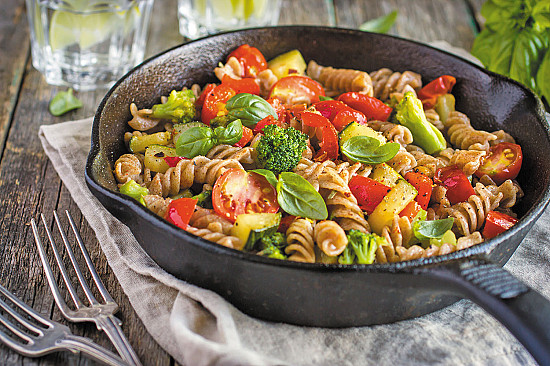
The antioxidants found in vibrant fruits and vegetables — including tomatoes, carrots, squash, and broccoli — can help mitigate the damage caused by free radicals, which are known to harm cells and promote inflammation.
Additional beneficial components for fighting inflammation include:
- Fiber, abundant in fruits, vegetables, and especially in legumes and whole grains like barley, oats, and bran
- Omega-3 fatty acids, located in fish (such as salmon, mackerel, sardines, and tuna), vegetable oils (like flaxseed and canola), walnuts, flaxseeds, and leafy greens (including spinach and kale)
- Polyphenols (plant chemicals), which can be found in berries, dark chocolate, tea, apples, citrus fruits, onions, soybeans, and coffee
- Unsaturated fats, present in almonds, pecans, walnuts, flaxseeds, pumpkin and sesame seeds, as well as plant oils (such as olive, peanut, canola, and avocado).
Overall, there is strong evidence that reducing inflammation through dietary changes can lower the risk of various diseases, particularly in relation to arthritis, gastrointestinal health, heart health, diabetes, and possibly cognitive decline and autoimmune disorders.
Transitioning to Better Eating Habits
Instead of making abrupt dietary changes, it’s advisable to gradually incorporate new habits, making the transition a more sustainable shift in lifestyle.
Emphasize foods that grow in soil over those in packaging. For breakfast, consider a fruit smoothie or oatmeal topped with berries; for lunch, a salad made with dark leafy greens and a rainbow of vegetables, topped with beans, nuts, and seeds; and for dinner, a lean protein along with colorful veggies, and finish with fruit for dessert.
Incorporating a variety of colors and ingredients into your meals will enhance your intake of natural, inflammation-fighting compounds.
If you prefer structured meal plans, you might explore the Mediterranean diet or the Dietary Approaches to Stop Hypertension (DASH) diet, both of which align with many of the principles outlined here.
Image: © Anna_Shepulova/Getty Images