As global tensions continue to rise, China is increasing its diplomatic efforts regarding the conflict in Iran. Through a five-point proposal and collaborative initiatives with Pakistan, China seeks to garner support from Gulf nations while opposing military intervention proposals from the United Nations aimed at securing the strategic Strait of Hormuz.
This bold approach signifies China’s ambitions for a more influential role on the world stage, though skepticism surrounds its potential effectiveness, particularly with the U.S. showing little interest in cooperating with Beijing’s initiatives.
“The war with Iran is the priority of all countries in and outside the region,” noted Sun Yun, director of the China program at the Stimson Center. “China will likely seize this chance to showcase its diplomatic leadership.”
Danny Russel, a former senior U.S. diplomat, characterized China’s diplomatic efforts as largely performative, drawing parallels to its earlier proposals regarding the situation in Ukraine, which remain unfulfilled. “It presents itself as a responsible advocate for peace,” Russel commented, emphasizing that China’s communications are more about messaging than genuine mediation.
Liu Pengyu, a spokesperson for the Chinese Embassy in Washington, affirmed that China has been tirelessly working towards peace since the onset of the war.
How the US views China’s diplomacy
The Trump administration has shown little enthusiasm for China’s mediation efforts, according to U.S. officials. There is a growing skepticism regarding third-party mediation, as the U.S. is wary of enhancing China’s international influence or allowing it to claim success in the Middle East.
One official described the U.S. position on the Chinese-Pakistani initiative as “agnostic,” meaning it neither supports nor rejects the proposal. However, this stance could shift ahead of President Trump’s planned summit with Chinese President Xi Jinping.
For China, it is crucial to see the war de-escalate before Trump’s mid-May visit to China. Sun observed, “There is no guarantee that Trump may not delay the trip again if the war continues.”
The conflict escalated recently when Iran shot down two U.S. military aircraft — the first incident of its kind since the war began. In response, Trump stated that this would not affect U.S.-Iran negotiations, despite earlier declarations of the U.S. significantly impeding Iran.
Beijing is calculating the pain from the closure of the Strait of Hormuz
Currently, China is relatively insulated from disruptions in the Strait of Hormuz, thanks to its diversified energy portfolio and reduced reliance on fossil fuels. It sources only about 13% of its oil imports from Iran and is collaborating with Tehran to allow Chinese-flagged vessels to traverse the vital waterway while maintaining a significant strategic petroleum reserve.
While China is equipped to absorb immediate shocks, prolonged conflict would adversely affect its interests. “An escalating conflict will harm Chinese interests,” Russell pointed out. With China’s economy heavily reliant on exports, prolonged energy disruptions would lead to increased costs and weakened global demand.
Moreover, China is keen to position itself as a responsible mediator in a crisis it views as largely a consequence of U.S. actions, especially as the Trump administration’s strategy appears increasingly uncertain.
China has undertaken a flurry of diplomacy
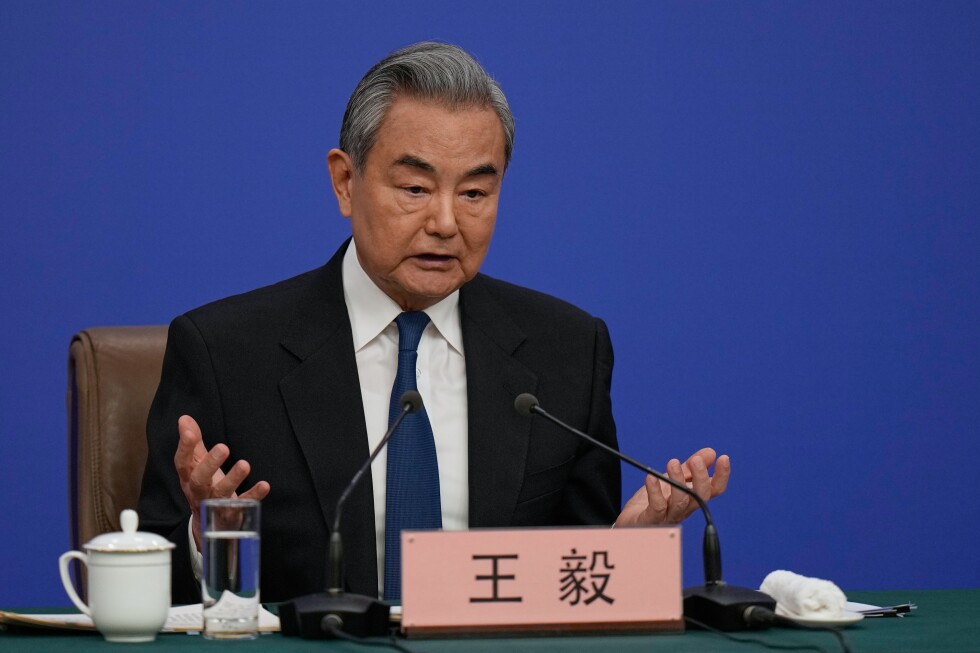
Following the outbreak of war, Chinese Foreign Minister Wang Yi engaged with officials from Russia, Oman, Iran, France, Israel, Saudi Arabia, and the United Arab Emirates. He expressed China’s commitment to fostering peace, urging Iran to uphold its friendship with China and encouraging Israel to halt its military actions.
Wang recently hosted his Pakistani counterpart in Beijing to discuss their five-point proposal, which aims to end hostilities and reopen the strait. He has conducted over 20 phone calls with regional foreign ministers and dispatched a special envoy to promote peace and reduce tensions, as noted by Liu.
In discussions with the European Union’s foreign policy chief, Wang emphasized that China’s proposal reflects “broad international consensus.” He further asserted to Saudi Foreign Minister Prince Faisal bin Farhan that ceasing hostilities is of utmost urgency.
This week, Wang also communicated with Bahrain’s foreign minister, Abdullatif bin Rashid Al Zayani, explaining China’s opposition to Bahrain’s U.N. proposal advocating military force to open the Strait of Hormuz. Wang maintained that U.N. actions should serve to alleviate tensions rather than escalate the situation.
Both China and Russia expressed concerns that a U.N.-endorsed initiative could be manipulated to intensify the war. Although they currently have less immediate interest in fully reopening the strait, China has the means to navigate some of its vessels through, while Russia benefits from elevated oil prices.
To mitigate a potential veto, Bahrain diluted its proposal, now focusing only on authorizing defensive measures to ensure safe passage for vessels through the strait, deferring the vote to next week.
China asserts that a ceasefire is necessary to resolve the strait’s challenges, yet its collaborative plan with Pakistan has been met with relative silence from the U.S. One U.S. official noted that evaluating the proposal is complex since it appears more like a broad appeal for respecting international law than a comprehensive guide towards peace.
Key Takeaways
- China is actively promoting a five-point proposal for peace in the Iran war, gaining support from regional partners.
- The U.S. remains skeptical of China’s diplomatic initiatives, showing little interest in third-party mediation.
- China’s decreased reliance on Iranian oil positions it well amidst disruptions in the Strait of Hormuz.
- Beijing fears prolonged conflict could negatively impact its export-driven economy.
- Chinese Foreign Minister Wang Yi is engaging multiple nations to foster peace and oppose military intervention.
- China advocates for a ceasefire as essential for resolving the strait’s issues, yet U.S. reactions to its proposal have been lukewarm.
FAQ
What is the main focus of China’s five-point proposal regarding the Iran war?
The proposal aims to end hostilities and facilitate the reopening of the Strait of Hormuz.
How does the U.S. view China’s role in mediating the Iran conflict?
The U.S. has expressed skepticism towards China’s diplomatic efforts, showing little support for its initiatives.
What are the implications of the closure of the Strait of Hormuz for China?
While China is currently insulated from significant disruptions, prolonged conflict could threaten its economic interests and energy stability.
What diplomatic actions has China undertaken since the beginning of the Iran war?
China has engaged with various countries, including Iran and Saudi Arabia, to promote peace and express its willingness to mediate.
What has been the U.S. response to China’s five-point proposal?
The U.S. has largely remained silent on the proposal, viewing it more as a vague appeal than a concrete plan for peace.