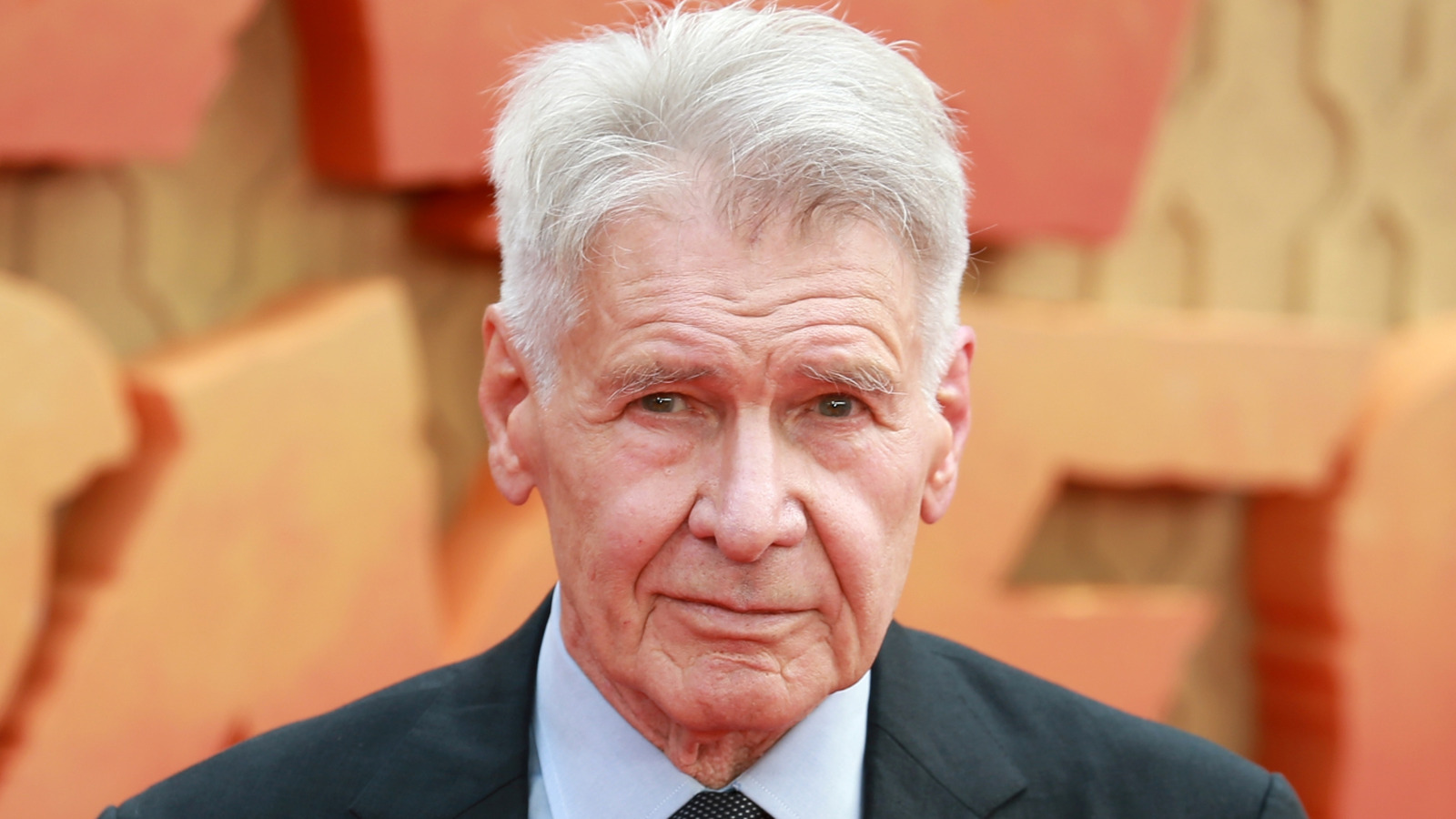
5 Aircraft Owned By Celebrity Pilot Harrison Ford
Harrison Ford, known for his roles as iconic characters like Han Solo, is also a passionate aviator. His involvement in aviation extends beyond mere ownership; he actively supports aviation initiatives and engages in charitable activities. Here’s a look at five notable aircraft from his collection.
1. Aviat Aircraft Inc. A-1C-200 (N89HU)
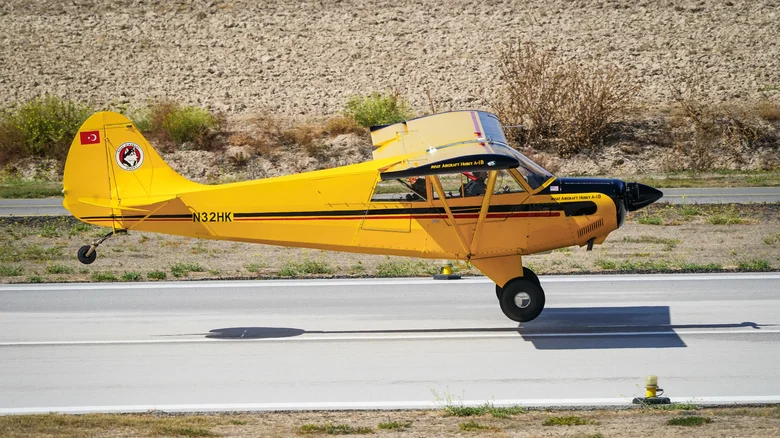
Credit: EvrenKalinbacak/Shutterstock
The Aviat A-1C-200 is designed for low and slow flying, making it ideal for exploring remote terrains. Equipped with large tundra tires, it can land on various surfaces, including rocky beaches and grass fields. However, Ford faced a mishap in 2017 while piloting this aircraft when he mistakenly landed on a taxiway instead of the runway.
2. De Havilland DHC-2 MK. I (N28S)
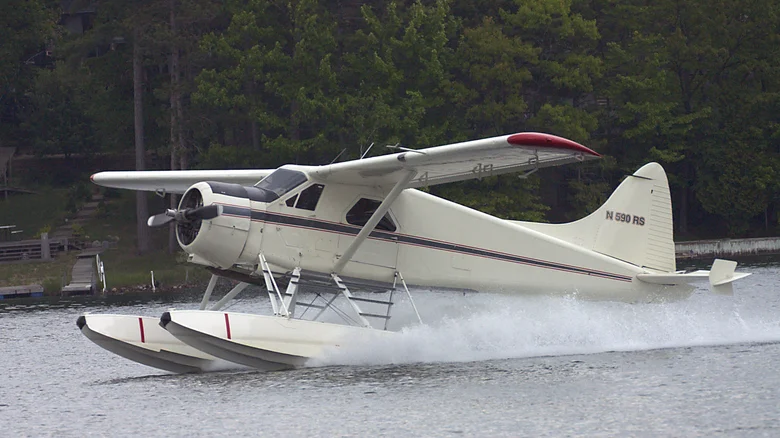
Credit: DENNIS BUCHNER/Shutterstock
Known as the Beaver, this sturdy aircraft is famous for its versatility and reliability. With the capability to land on water and tough terrains, it’s a favorite among pilots. Ford has used the DHC-2 for charity events, giving young aspiring pilots rides through the Young Eagles program.
3. Cessna Citation Sovereign 680 (N6GU)
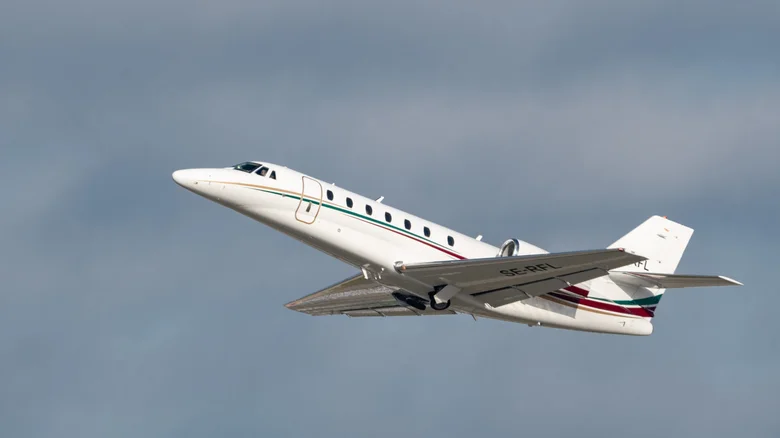
Credit: Robert Buchel/Shutterstock
This mid-size business jet is tailored for those with demanding travel schedules. The Citation Sovereign allows Ford to travel across the country swiftly, featuring a cruise speed of approximately 528 mph and a range of over 3000 miles. Ford is among the few owners of this jet class who can operate it personally.
4. Bell Helicopter 407GX (N96GU)
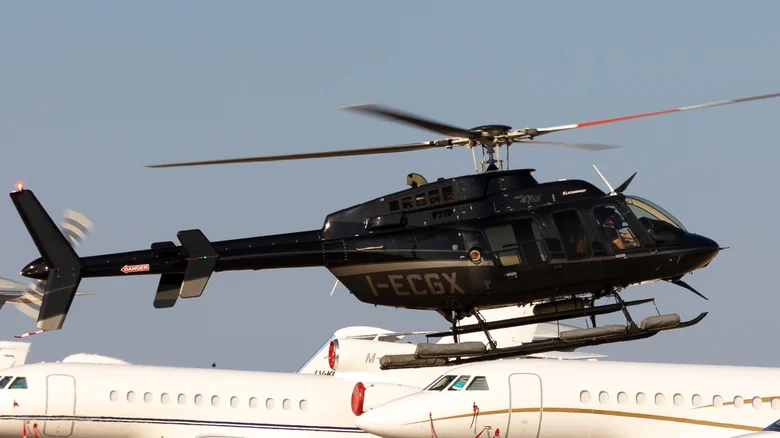
Credit: Antonio Cappuccino/Shutterstock
Ford holds rotorcraft endorsements, enabling him to pilot helicopters. The Bell 407GX is known for its exceptional performance and smooth flight dynamics, especially in high-altitude operations. He participates in search-and-rescue missions using this helicopter, demonstrating his commitment to community service.
5. Air Cam Amphibian Twin (N66GU)
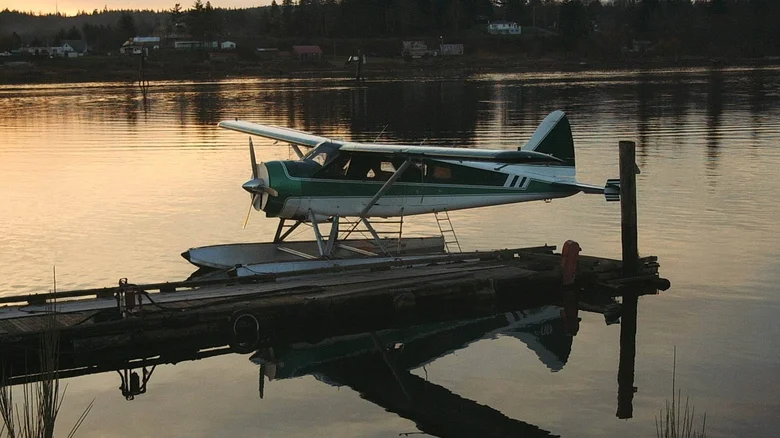
Credit: Jim Dubois/Shutterstock
The Air Cam is an experimental twin-seat open cockpit aircraft. Designed for low and slow flights, it offers exceptional views and safety with its dual engines. After receiving transition training, Ford enjoys flying this unique craft for recreation.
Methodology
The list of aircraft owned by Harrison Ford was compiled using the FAA aircraft registry and public records. Ford’s ownership is linked to corporate entities that help streamline his aviation interests and maintain privacy.