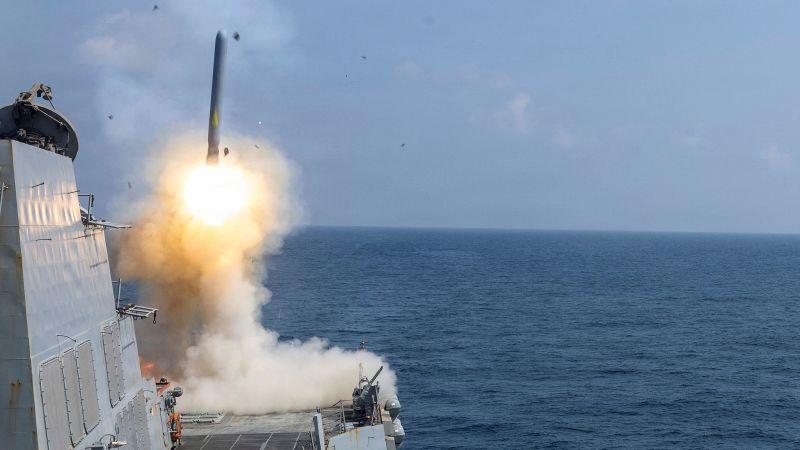

As tensions in the region rise, U.S. President Donald Trump has indicated that military operations against Iran could conclude in the next few weeks. However, the resumption of shipping traffic through the vital Strait of Hormuz will likely take much longer.
Global markets are showing signs of recovery amid hopes for an end to hostilities. Yet, even with a potential ceasefire and a drop in crude oil prices, it will take considerable time for gasoline prices to stabilize and for shipping routes to return to normal.
Shipping insurance costs remain prohibitively high as risk premiums are factored in, while mariners are hesitant to undertake voyages after witnessing the conflict’s severe impacts on their peers.
“Seafarers are the backbone of the trade,” stated Angad Banga, CEO of the Hong Kong-based Caravel Group, which manages Fleet Management Ltd., one of the world’s largest shipping enterprises.
“In the aftermath of such events, the challenge of convincing seafarers to embark on voyages will continue to disrupt supply chains.”
The shipping sector is responsible for transporting 90% of the world’s manufactured goods, highlighting the essential role of seafarers in global trade.
Iran’s selective blockade of the Strait of Hormuz has affected thousands of vessels operating in the region, exposing them to new threats such as mines and explosive drones, which complicates commercial navigation.
The situation escalated when the Thai cargo ship Mayuree Naree was struck by a projectile earlier this month, resulting in a fire and requiring crew evacuation. While some crew members returned to Thailand, three remain unaccounted for.
Since the outbreak of the conflict, at least seven seafarers have lost their lives, and more than a dozen vessels have been targeted near Iranian waters.
Key Takeaways
- U.S. military operations against Iran may conclude soon, but shipping traffic will take longer to normalize.
- Global markets are cautiously optimistic about a potential resolution to the conflict.
- High shipping insurance costs and crew safety concerns are hindering maritime operations.
- Seafarers play a critical role in global trade, transporting 90% of manufactured goods.
- The Strait of Hormuz remains perilous for shipping due to escalating risks.
- The September incident involving the Mayuree Naree highlights ongoing dangers in the region.
FAQ
How has the conflict affected shipping insurance rates?
Shipping insurance costs have risen significantly as companies incorporate higher risk premiums due to ongoing conflicts.
Are seafarers willing to navigate through dangerous waters?
Many mariners are hesitant to operate in conflict zones, impacting overall maritime operations.
What percentage of global goods are transported by sea?
Approximately 90% of all manufactured goods are transported via shipping routes.
What events have escalated tensions in the Strait of Hormuz?
Selective blockades and attacks on vessels have heightened risks for shipping operations in this essential maritime route.
In summary, the ongoing tensions in the region continue to pose significant challenges for the shipping industry, affecting everything from insurance rates to crew morale. The path to normalization will require time and careful management of the risks involved.