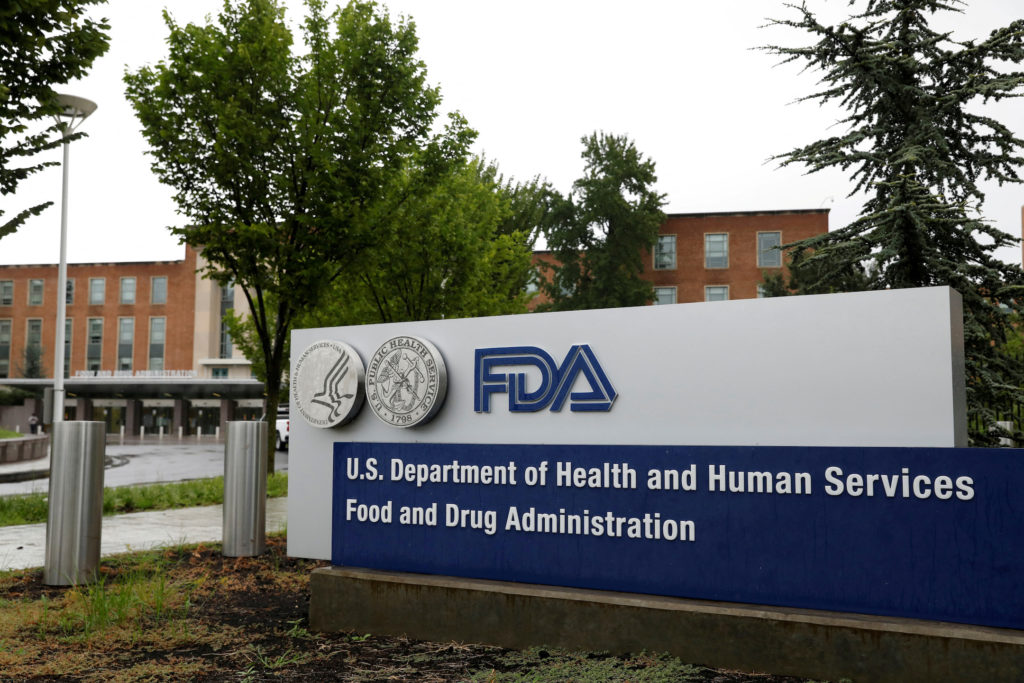
WASHINGTON (AP) — Dietary supplement manufacturers are urging the Food and Drug Administration (FDA) to broaden the variety of ingredients that can be included in their products. This potential expansion could create opportunities for marketing peptides, probiotics, and other popular health trends.
The FDA convened a public meeting on Friday to evaluate its longstanding regulations for dietary supplements. The discussion aims to determine if these guidelines can be modified to incorporate ingredients that do not originate from traditional sources like food, vitamins, or herbs. Officials from the FDA will be listening to perspectives from industry leaders, consumer advocates, and academics.
READ MORE: In the gray world of GLP-1 supplements online, health experts urge caution
This meeting marks the first since Robert F. Kennedy Jr. became the leading health official in the nation last year. Kennedy has expressed a commitment to “end the war at FDA” on dietary supplements, peptides, and other popular products within his Make America Healthy Again initiative.
Initiated by the Natural Products Association, an industry group that has frequently clashed with the FDA over emerging supplement ingredients, this meeting was requested in January. The association cited “the cost and uncertainty that arise when regulatory expectations are unclear.”
Kyle Diamantas, the FDA’s top food official, opened the meeting by emphasizing the agency’s dedication to “cutting red tape” to reduce costs for the industry.
“The industry has grown tremendously over the last 30 years, yet the regulatory framework has largely remained the same,” Diamantas said to the attendees.
Many wellness products don’t qualify as supplements
According to FDA regulations, dietary supplements fall under the category of food, primarily consisting of ingredients derived from plants, herbs, and other components found in the American diet.
This requirement poses challenges for the industry as new wellness products often contain substances that have never been utilized in food.
For example, peptides—drug-like chains of amino acids—have been widely promoted by celebrities and influencers as a means to enhance muscle growth and youthfulness, despite limited scientific backing.
Many specialty pharmacies and clinics offer these as injections or IV infusions, while some supplement manufacturers have started incorporating them into capsules, gummies, and powders.
READ MORE: What are peptides, and are they safe? Here’s what to know
Technically, these products violate FDA regulations, according to agency lawyers. This also applies to certain probiotics, which are marketed as beneficial for digestion and gut health.
Industry representatives argue that FDA law does not explicitly state that all ingredients must originate from food.
“The hope of the meeting is that the FDA is willing to broaden its interpretation of what constitutes a dietary ingredient to include items not already found in food,” said Robert Durkin, a former FDA supplements program official now consulting for companies.
However, consumer advocates caution that permitting new ingredients would significantly enlarge the market for supplements, which the FDA has historically struggled to regulate effectively.
“The FDA should focus on enhancing the safety of the current market rather than allowing more chemicals and substances into supplements,” argued Jensen Jose, senior regulatory counsel at the nonprofit Center for Science in the Public Interest, during the Friday meeting.
Supplement makers view Kennedy as an ally
Kennedy has publicly expressed his admiration for peptides, revealing during a podcast with Joe Rogan that he personally uses them for treating injuries. He has also pledged to relax FDA restrictions on the manufacture of injectable peptides, which are currently subject to stringent federal safety regulations.
Several of Kennedy’s allies are advocates for these compounds, including Gary Brecka, who identifies himself as a “longevity expert” and sells peptide injectables, patches, and nasal sprays online.
Dr. Mark Hyman, another friend of Kennedy’s, markets numerous dietary supplements—some claiming to include peptides—through his website.
WATCH: The promise of obesity drugs and their potential risks
Two former health advisers from Kennedy’s presidential campaign also maintain ties to the industry.
Calley Means, currently a senior adviser at the Department of Health and Human Services, co-founded an online platform to help consumers allocate tax-free health dollars toward supplements and other wellness products.
Dr. Casey Means—his sister and a nominee for surgeon general under President Donald Trump—has earned substantial income by promoting supplements, probiotics, and related products, as per financial disclosures.
Supplements have never been subject to strict FDA oversight
The FDA does not regulate dietary supplements as rigorously as it does drugs and other medical products, which undergo thorough safety and effectiveness reviews before approval. The agency does not even maintain a comprehensive list of all products available on the market.
With potentially 100,000 or more supplements in circulation, manufacturers bear the legal responsibility for ensuring their products are safe and accurately marketed, according to FDA guidelines. Supplements are prohibited from claiming to treat specific diseases or medical conditions.
The 1994 law that granted the FDA oversight of dietary supplements exempted manufacturers from nutrition labeling requirements, which originally required companies to substantiate health claims scientifically.
Instead, supplement manufacturers can make more generalized claims, asserting that their products aid or enhance health and well-being.
Some former regulators argue that this regulatory approach was misguided.
“It allowed unauthorized, implied health claims,” remarked Mitch Zeller, who dealt with supplement matters at the FDA during the 1990s. “There are numerous claims being made on supplement labels and advertisements that are carefully crafted to avoid being classified as drug or treatment claims.”
Companies can assert that their products bolster the structure or function of specific body parts, such as enhancing bone strength. Products making general or targeted claims must include a disclaimer stating, “This statement has not been evaluated by the FDA.”
In summary, the FDA’s exploration into dietary supplement regulations highlights a significant shift in the industry as manufacturers seek to broaden their ingredient lists. While this could open new avenues for growth, it also raises important safety concerns for consumers navigating the evolving landscape of wellness products.


