Understanding Hybrid Athletes: The Art of Adaptability in Fitness Training
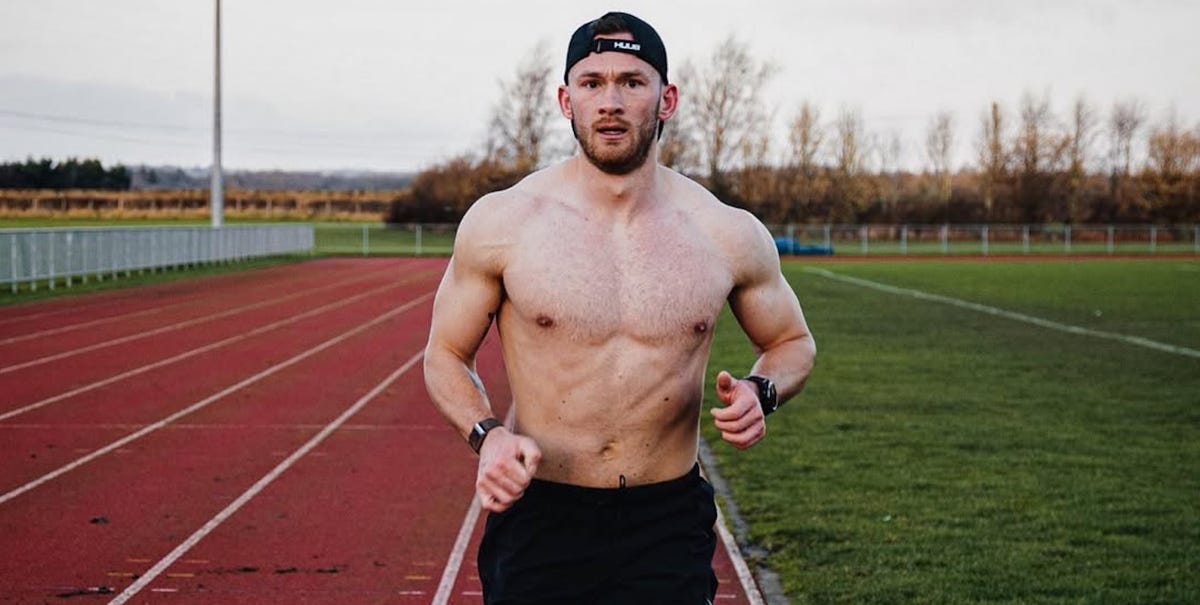
Hybrid athletes strive to balance both strength and endurance in their training regimens. A well-known figure in this realm, Fergus Crawley, emphasizes a vital principle for success: adaptability. He understands that juggling varied training demands, such as strength exercises and endurance events, can be challenging but is also essential for long-term sustainability.
Crawley has completed astonishing feats, including the daunting Brutal Extreme Triathlon, which consists of a 7.6 km swim, a 275 km bike ride, and an 85 km run. Additionally, he has lifted a total of 1,200 pounds across key lifts such as the squat, deadlift, and bench press, all while running an Iron-distance triathlon in the same day and covering 250 km in just 50 hours. While these goals might seem at odds, Crawley argues that everyday athletes can find harmony in their training by focusing on adaptability.
The Importance of Adaptability
“As a recreational athlete, you train to live—you don’t live to train,” Crawley explains. This perspective recognizes that training is merely one aspect of a larger life puzzle. With the unpredictability of daily life, such as work obligations, family commitments, and unexpected challenges, sticking rigidly to a pre-decided training plan may not always be feasible or beneficial.
Unlike elite athletes who can focus solely on performance, the average person needs to adapt their training around life’s many variables. Sleep patterns, work stress, and social obligations can all affect your ability to train consistently. Therefore, recognizing when to push yourself and when to take a step back is crucial.
For instance, if you experience a particularly stressful week, it may be wise to scale back your workouts or even take a day off to recover. This mindful approach to training can protect you from burnout and reduce the risk of injuries in the long run.
Focusing on Long-Term Consistency
Crawley also advises against letting your ego dictate your training decisions. “Don’t let it bruise your ego because you’re not hitting plan A,” he cautions. Being flexible in your training means that you can adapt to unexpected challenges without sacrificing your overall progress. Instead of rigidly chasing single performance goals, it’s more beneficial to consistently show up and improve at your own pace.
Ultimately, the key to being a sustainable athlete is mastering the skill of adaptability. Instead of pushing yourself to the brink for a short-term goal, consider when it’s better to ease up. Knowing when to accelerate and when to decelerate can make all the difference in enjoying a fulfilling fitness journey.
Crawley summarizes it aptly: “Training is just one piece of a bigger picture. Acknowledging this will enhance your overall experience as an athlete.”
Ryan is a Senior Writer at Men’s Health UK, focusing on storytelling, health, and fitness. He graduated from Cardiff University in 2020 and holds an NCTJ qualification. He initially worked as a Trainee News Writer, covering sports and features before becoming a Senior Writer.
Ryan has a deep-rooted passion for sports and has represented the Northern Ireland national futsal team. Currently, he enjoys mixing weightlifting and running, with notable achievements in marathon running.