Finding Balance in Fitness: Exploring Tai Chi Workouts for Women Over 40
As women enter their 40s, many find that their bodies undergo significant changes, making it crucial to adjust fitness routines. Traditional high-intensity workouts may no longer offer the desired results, leading many to lament their changing capabilities. However, at this stage—especially during perimenopause—exercise becomes vital for both mental and physical wellness.
Strength training has proven benefits for midlife bodies as muscle mass and bone density decline, and studies suggest exercise can alleviate perimenopause symptoms like mood swings and insomnia. With these considerations in mind, let’s explore a gentler, yet effective, alternative: Tai Chi workouts.
Discovering Tai Chi Workouts
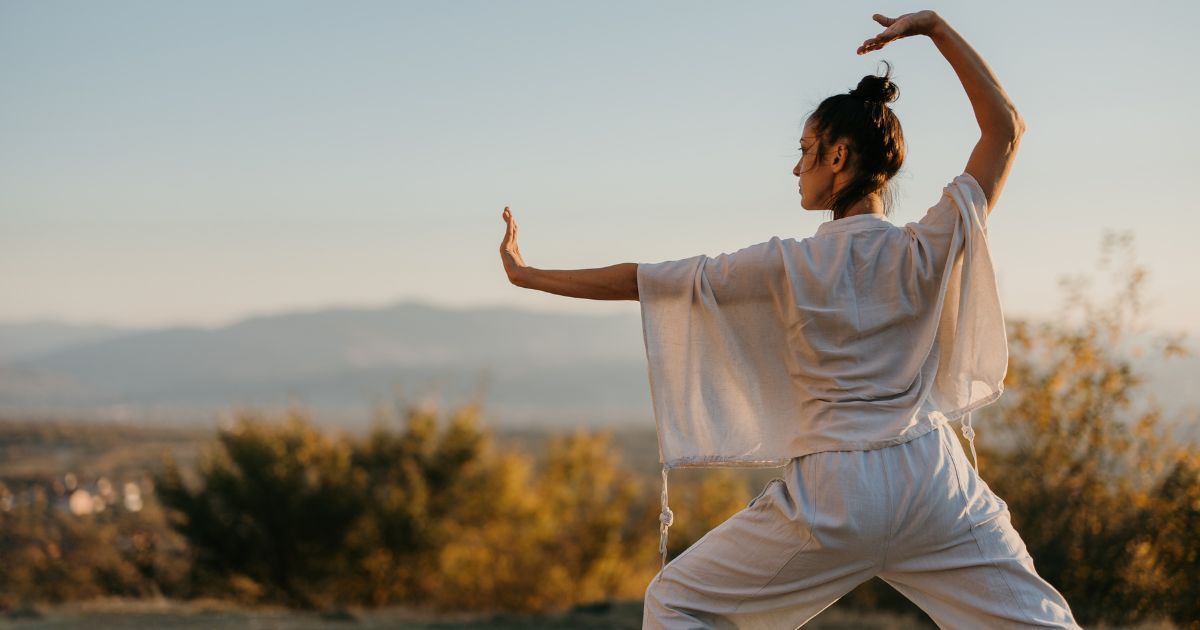
Recently gaining popularity, Tai Chi workouts are characterized by gentle, slow-flowing movements often referred to as “moving meditations.” According to Tai Chi instructor Clara Apollo, these sessions quietly promote functional fitness and improve strength, balance, and coordination without placing undue strain on the body.
What makes Tai Chi particularly appealing for those navigating perimenopause? Its holistic approach fosters a renewed relationship with the body, prioritizing ease and awareness over exertion.
Benefits of Tai Chi Workouts
If you’re considering incorporating Tai Chi into your routine, here’s what you can expect:
-
Functional Strength, Balance, and Mobility
Tai Chi helps enhance balance, mobility, and muscle strength through slow weight shifts, making it a fantastic option for healthy aging. Regular practice can also improve proprioception, or your body’s awareness in space. -
Enhanced Mental Wellbeing
The meditative aspect of Tai Chi promotes relaxation and reduces stress. This can lead to lower cortisol levels and improved sleep, making it particularly beneficial for those experiencing hormonal fluctuations. -
Emotional Resilience and Calm
Tai Chi fosters emotional stability, reducing reactivity and enhancing resilience. Many practitioners report feeling more grounded and emotionally equipped for life’s challenges. -
Simplicity and Accessibility
Tai Chi requires no special equipment and can be practiced anywhere. This makes it a great starting point for anyone new to exercise or returning after a break.
Who Can Benefit from Tai Chi Workouts?
One of the best aspects of Tai Chi is its inclusivity. It’s suitable for all ages and fitness levels, especially those recovering from injuries or seeking a low-impact exercise alternative. Masters like Apollo emphasize its value for younger individuals looking to build resilience and enhance focus alongside more intense workout routines.
Getting Started with Tai Chi Workouts
To begin your Tai Chi journey, guided instruction—whether in-person or online—can offer invaluable insights. It’s crucial to focus on posture and movement quality, as small adjustments can enhance both physical and emotional benefits. Even a few basic sequences repeated regularly can yield significant results.
A Week of Daily Tai Chi Workouts: My Experience
I committed to a week of daily Tai Chi sessions, starting with a beginner’s 10-minute workout found on YouTube. The calming music and soothing movements felt more like a mindfulness practice than traditional exercise, easing me into the routine.
As I progressed through the first few days, I noticed the challenge increased with an emphasis on relaxation and controlled breathing. By day four, the practice became something I looked forward to, integrating seamlessly into my daily life.
While I still craved the thrill of high-impact workouts, I appreciated Tai Chi as a complementary activity. My metrics confirmed my well-being improved over the week—stress levels decreased while my overall resilience remained stable.
Conclusion
Incorporating Tai Chi into your fitness routine can provide a gentle yet effective way to maintain wellness during midlife. It isn’t a replacement for traditional workouts but rather a valuable addition that promotes balance, strength, and emotional stability. Embrace Tai Chi as a holistic approach to fitness and well-being—it just might be the missing piece to your movement puzzle.