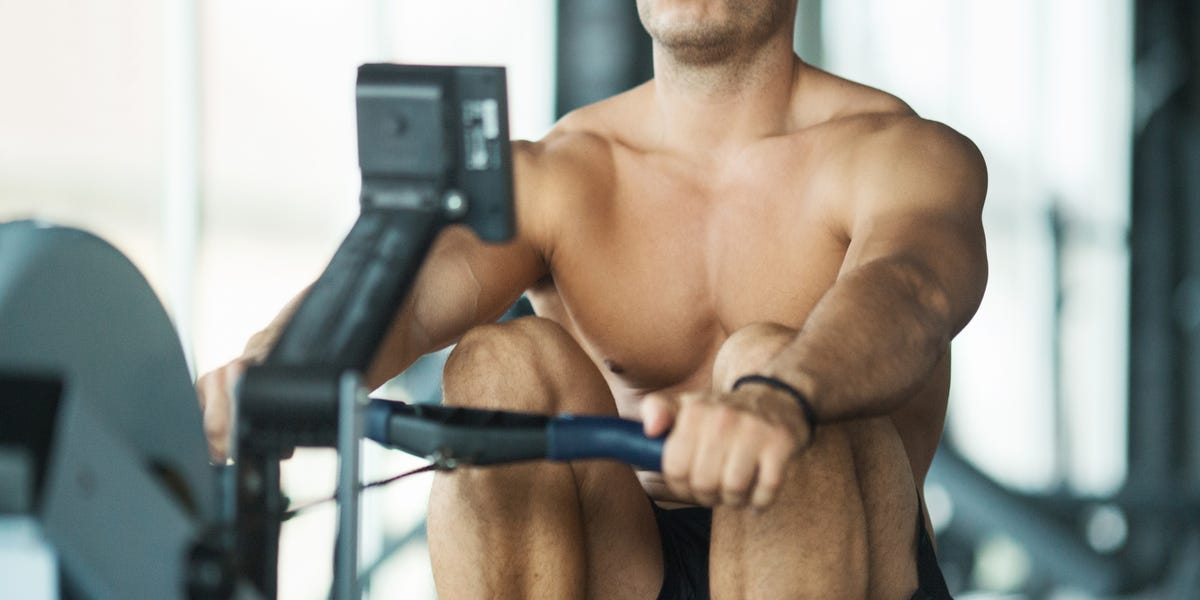
When it comes to rowing machines, a common instruction is to pull the handle ‘straight in and straight out.’ While this advice seems logical and is widely taught, rowing coach Austin Hendrickson suggests that adhering to this cue may actually hinder your performance.
Hendrickson points out, “One of the most widespread misinformed rowing cues is that the rowing handle should go straight in and straight out of the machine. If you are focused on bringing the handle straight in and straight out, you are making your rowing performance worse.” The truth is that effective rowing technique involves a more refined approach. The path of the handle isn’t linear; it’s angled, and this subtle shift can significantly impact your output.
Perfecting the Pull
A vital aspect to consider is pull distance. Many athletes tend to row with the handle closer to the stomach, which shortens the stroke. By aiming slightly higher, towards the lower chest, you can increase the length of your stroke. Hendrickson explains, “This slight diagonal path is longer, which means it’s going to give you more length every stroke. In an exercise that is so repetitious, those few inches are going to add up.”
Additionally, there’s a mechanical reason for adjusting your line of pull. On devices like the Concept2 RowErg, the chain does not operate perfectly horizontally under load. “Tension grabs at a slight angle higher than you think it does,” Hendrickson notes. “There is a certain diagonal line of pull where we’re able to create suspension and connection with each stroke. That does not happen when we row straight in and straight out.”
Translating this into practice means allowing your hands to float higher than you might expect, especially during the catch phase. However, this adjustment is not just relevant for the drive; the return is equally important.
Relaxing the Shoulders
A frequent error among rowers is maintaining tension and forcing the handle to follow a stiff line. Instead, Hendrickson suggests relaxing your shoulders and allowing the handle to drop naturally. “I’m not pushing my handle down; I’m just focusing on relaxed shoulders,” he explains. This method ensures that “the handle drops down significantly on the return” at lower stroke rates.
As you approach the front of the machine, your hands should gradually rise rather than making a sharp movement. Hendrickson advises, “As the handle passes the knees, your hands should be trickling upwards subtly,” instead of “swooping at the very last moment,” which can hinder your positioning and timing.
The Takeaway
In essence, these adjustments create what Hendrickson describes as a dynamic, slightly curved, or ‘boat-shaped’ path for the handle—rather than a straight line. “The path of the handle is a lot more nuanced than it seems,” he emphasizes. By making this small tweak—angling your stroke and staying relaxed—you’ll likely notice your rowing becoming smoother, more powerful, and far more efficient.
Kate is a fitness writer for Men’s Health UK, regularly contributing articles on workouts, training tips, and nutrition. With a postgraduate diploma in Sports Performance Nutrition, Kate has over 5,000 hours of coaching experience. In her spare time, she enjoys volunteering at animal shelters and lifting weights in her garden, all while cherishing moments with her rescue dog.
### Conclusion
Improving your rowing technique necessitates a shift away from traditional cues towards a more nuanced approach. By focusing on the angle of your stroke and maintaining relaxed shoulders, you can enhance both the efficiency and effectiveness of your workout. Embrace these adjustments, and enjoy a more satisfying rowing experience!