Embracing the use of artificial intelligence in educational settings can spark innovation and enhance creativity. Tang incorporates AI-driven exercises that prioritize abstraction and transformation within his teaching methods. For instance, in a graduate-level visualization course, students have the opportunity to create temporary structures for the renowned Burning Man festival. They leverage AI to explore various factors such as erosion, turbulence, and distortion in their designs. “The goal is not to produce a polished rendering on the first day,” he explained. “It’s about experimenting, developing ideas, and translating abstract concepts into realizable forms.”
Tang underscores the importance of understanding the diverse tools and applications of AI, stating that educators need to define the specific type of AI being utilized. “Without a clear understanding of the AI’s purpose, the discussion becomes stagnant,” he noted. He champions a careful, iterative approach in both teaching and research, where AI serves as a collaborator rather than a substitute. This philosophy encourages curiosity, promotes experimentation, and fosters critical engagement among students.
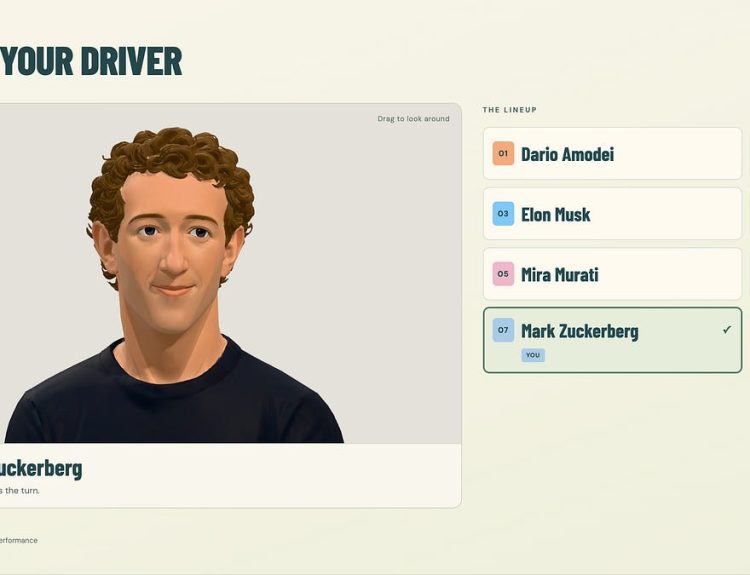
Featured image at top: Rendering images of 3D faces. Photo provided.