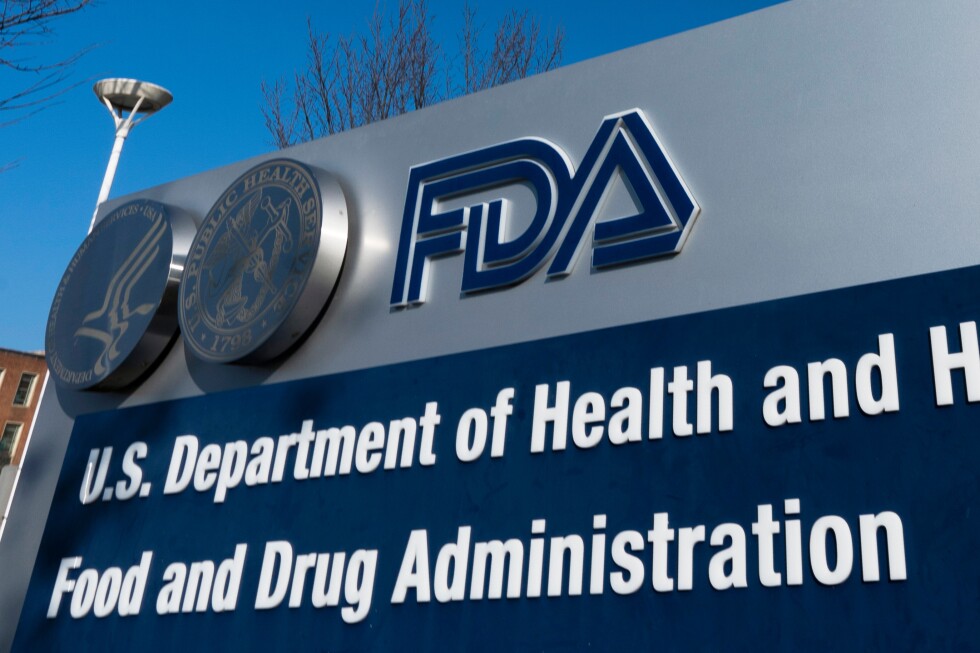
In a significant move for the health and wellness industry, manufacturers of dietary supplements are urging the Food and Drug Administration (FDA) to broaden the scope of permissible ingredients in their products. This change could potentially pave the way for increased marketing of peptides, probiotics, and other popular wellness items.
The FDA convened a public meeting on Friday to explore its long-standing guidelines surrounding dietary supplements and to consider whether they might be expanded to incorporate ingredients that do not originate from traditional sources such as food, vitamins, or herbs. Stakeholders from various sectors—including industry leaders, consumer advocates, and academics—were invited to share their insights.
This meeting marks the first gathering since Robert F. Kennedy Jr. took the helm as the nation’s health chief last year. Kennedy has proclaimed his intention to “end the war at the FDA” on dietary supplements, peptides, and other popular products under his Make America Healthy Again movement.
The Natural Products Association, an industry group that has been at odds with the FDA over particular new supplement ingredients, requested Friday’s meeting. In a letter sent in January, the group highlighted “the cost and uncertainty stemming from unclear regulatory expectations.”
Kyle Diamantas, the FDA’s top food official, opened the session by emphasizing the agency’s commitment to “cutting red tape” to lower costs for the industry. “The industry has expanded significantly over the last 30 years, yet the regulatory framework has mostly remained unchanged,” Diamantas remarked.
Many Wellness Products Do Not Qualify as Supplements
According to FDA regulations, supplements are classified as a subset of food, primarily containing ingredients derived from plants, herbs, and various other dietary sources.
This criterion has become problematic for the industry in recent years, as many newer wellness products include substances that have never been part of traditional diets.
Peptides, for example, are chains of amino acids often touted by celebrities and influencers as effective means to build muscle and promote youthfulness, although scientific support for their efficacy is limited.
These compounds are often sold as injections or IV infusions by specialty pharmacies and clinics, but many supplement manufacturers have begun incorporating them into forms like capsules, gummies, and powders.
According to FDA attorneys, these products technically violate existing FDA regulations. This also applies to certain types of probiotics, which are marketed as beneficial for digestion and gut health.
Proponents of the change argue that the FDA’s current statutes do not explicitly require that all ingredients come solely from food sources.
“Our hope for this meeting is that the FDA will reconsider its definition of dietary ingredients to allow for substances not commonly found in food,” stated Robert Durkin, a former FDA supplements program official now consulting for various companies.
However, consumer advocates caution that permitting new ingredients could substantially increase the supplement market, which has already posed regulatory challenges for the FDA.
“The FDA should prioritize enhancing the safety of the existing market rather than introducing new chemicals and substances into supplements,” urged Jensen Jose, senior regulatory counsel for the nonprofit Center for Science in the Public Interest, during his presentation at Friday’s meeting.
Supplement Makers See Kennedy as an Ally
Kennedy has positioned himself as a strong supporter of peptides, sharing on a podcast with Joe Rogan that he personally utilizes them for injury recovery. He has also pledged to ease FDA regulations regarding injectable peptides, which have been subject to federal oversight due to safety concerns.
Among Kennedy’s circle of supporters are individuals who advocate for these substances. Gary Brecka, a self-styled “longevity expert,” markets peptide injectables, patches, and nasal sprays via his website.
Dr. Mark Hyman, a close friend of Kennedy, offers numerous dietary supplements on his website, some of which claim to include peptides.
Additionally, two former health advisors from Kennedy’s presidential campaign have connections to the supplement industry. Calley Means, currently a senior advisor in the Department of Health and Human Services, co-founded an online platform enabling individuals to spend tax-free health dollars on supplements and wellness products.
Dr. Casey Means, Kennedy’s sister and a nominee for surgeon general under President Donald Trump, reportedly made substantial earnings through promotions of supplements, probiotics, and similar products, as evidenced by financial disclosure documents.
Lax Oversight in the Supplement Industry
Contrary to the rigorous review processes for drugs and other medical products, the FDA does not scrutinize dietary supplements for safety and effectiveness upon approval. The agency lacks a comprehensive list of all products currently available in the market.
With an estimated 100,000 or more supplements available, manufacturers bear the responsibility of ensuring that their products are safe and accurately marketed according to FDA guidelines. Importantly, supplements are prohibited from claiming to treat specific diseases or medical conditions.
The 1994 law that granted the FDA oversight also exempted supplement manufacturers from mandatory nutrition labeling, which would require scientific substantiation for health claims.
Instead, supplement makers are allowed to assert more generalized claims—such as supporting or maintaining health and well-being.
Some former regulators argue that this approach has been flawed.
“It has permitted unauthorized, implied health claims,” commented Mitch Zeller, who previously worked on supplement policies at the FDA in the 1990s. “There are countless claims made on supplement labels or in advertising that are carefully phrased to avoid making direct drug or treatment claims.”
Companies can also assert that their products enhance the structure or function of certain body parts, like fortifying bones. However, all products making such claims must include a disclaimer noting, “This statement has not been evaluated by the FDA.”
___
The Associated Press Health and Science Department receives support from the Howard Hughes Medical Institute’s Department of Science Education and the Robert Wood Johnson Foundation. The AP is solely responsible for all content.
___
For continued updates on the FDA, follow the Associated Press’s coverage at https://apnews.com/hub/us-food-and-drug-administration.


