The ongoing conflict in the Middle East continues to escalate, drawing in various factions and complicating diplomatic efforts. As Iranian-backed Houthi rebels launch missile attacks towards Israel, global tensions rise, impacting not only regional stability but also international trade and security.
Houthi involvement could further complicate the war
Brig. Gen. Yahya Saree, a military spokesman for the Houthis, announced on Saturday that the rebels launched a series of ballistic missiles targeting what he identified as “sensitive Israeli military sites” in southern Israel. This attack came shortly after Saree hinted at the Houthis’ participation in the conflict.
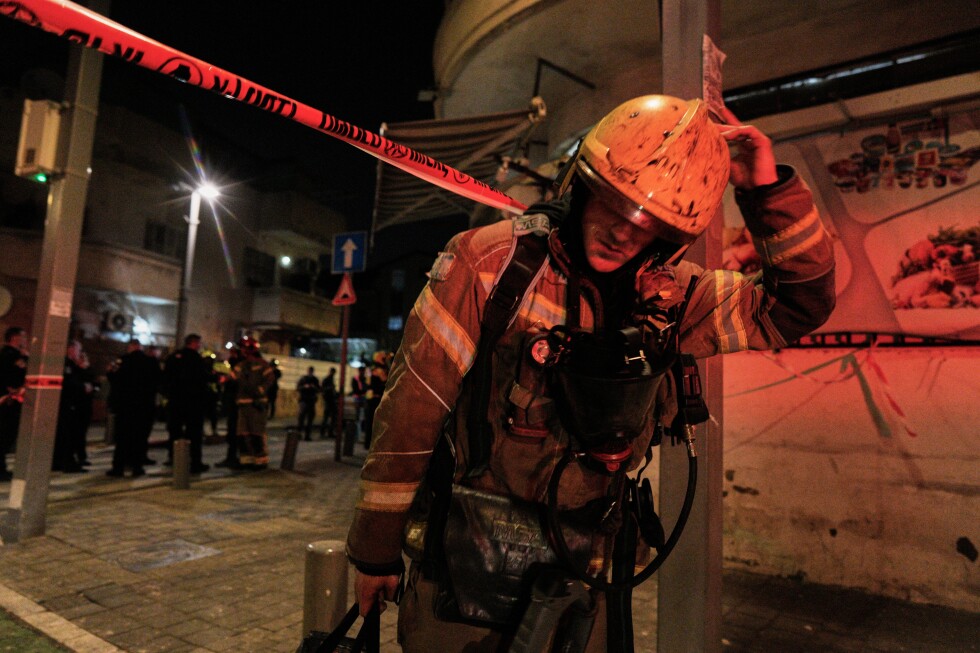
Israel’s southern city of Beer Sheba and nearby areas experienced alarm as sirens blared, coinciding with continued strikes from Iran and Hezbollah overnight. Additionally, explosions were reported in Tel Aviv, with Israel’s Fire and Rescue Service responding to multiple impact sites in the metropolitan area.
The recent missile attack raises concerns about the Houthis potentially resuming strikes against commercial shipping in the Red Sea corridor, similar to their actions during the Israel-Hamas conflict, which had significant implications for global trade valued at approximately $1 trillion annually. The rebels had also previously targeted Israel with drone strikes.
The involvement of the Houthis adds another layer of complexity to military operations, particularly concerning the USS Gerald R. Ford aircraft carrier. Having first docked in Crete for repairs and then moving to Split, Croatia, its return to the Red Sea could result in further engagement with ongoing hostilities experienced by other U.S. carriers in the region.
Since 2014, the Houthis have held the capital of Yemen, Sanaa, and have largely refrained from directly engaging in the current war, having maintained a tenuous ceasefire with Saudi Arabia amid its military campaign on behalf of Yemen’s exiled government initiated in 2015.
More than two dozen US troops have been wounded in Iranian attacks on Saudi base in the past week, AP sources say
Recent reports indicate that over two dozen U.S. troops sustained injuries due to Iranian strikes on Saudi Arabia’s Prince Sultan Air Base in the last week. These attacks involved six ballistic missiles and 29 drones, injuring at least 15 service members, including five seriously.
A week filled with hostilities included two earlier attacks on the same base, which lies approximately 96 kilometers from Riyadh, resulting in an additional 14 injuries among U.S. personnel. This base is under Saudi military control but also accommodates U.S. forces.
Attempts at diplomacy as US troops build up in the Mideast
These recent military actions unfolded against the backdrop of claims from Trump regarding progress in negotiations to end the conflict. Iran, however, disputes any engagement in peace discussions.
The escalating tensions and economic ramifications resulting from the ongoing war have prompted Saudi Arabia, Turkey, and Egypt to send their top diplomats to Islamabad for talks aimed at de-escalation. Prime Minister Shehbaz Sharif of Pakistan noted his extensive discussions with Iranian President Masoud Pezeshkian regarding regional tensions.
Moreover, U.S. forces, including approximately 2,500 Marines and paratroopers from the 82nd Airborne, are being deployed to the Middle East, with Secretary of State Marco Rubio emphasizing that U.S. objectives can be achieved without the need for ground troops.
Death toll climbs
The Iranian government reports over 1,900 fatalities within its borders, with 19 deaths reported in Israel. In Lebanon, where Israel has initiated military operations, more than 1,100 casualties have been documented since hostilities commenced.
Additionally, 13 U.S. troop fatalities have been confirmed, alongside 80 deaths among Iraqi security forces as Iranian-aligned militia groups have entered the fray. The Gulf states have reported 20 civilian deaths, while the occupied West Bank has recorded four fatalities.
According to the U.N.’s International Organization for Migration, 82,000 civilian structures have suffered damage in Iran, affecting hospitals and the homes of around 180,000 people.
Israel strikes Iranian nuclear facilities
On Friday, Israel intensified its military operations, targeting sites in Tehran associated with the production of ballistic missiles and other armaments. Reports suggest that missile launchers and storage facilities in Western Iran were also hit, with witnesses in eastern Tehran reporting power outages following the strikes.
According to Iran’s Atomic Energy Organization, key facilities such as the Shahid Khondab Heavy Water Complex in Arak and the Ardakan yellowcake production plant in Yazd Province were affected. Fortunately, no casualties were reported, and there were no contamination risks. However, Israel claims that these strikes constitute a significant setback for Iran’s nuclear aspirations.
Possible breakthrough to allow aid and agricultural shipments through Hormuz
In a notable development, Iran has consented to facilitate humanitarian aid and agricultural shipments through the Strait of Hormuz, following a request from the United Nations. Ali Bahreini, Iran’s ambassador to the U.N., affirmed the country’s commitment to expedite such movements.
The Strait of Hormuz is a crucial waterway, handling about one-fifth of the world’s oil shipments and nearly one-third of global fertilizer trade. While the focus has largely been on oil and gas supply disruptions, the restriction of fertilizer ingredients poses a threat to global food security.
Key Takeaways
- The Houthi rebels have launched missiles toward Israel, signaling an escalation in the conflict.
- Over two dozen U.S. troops sustained injuries from recent Iranian attacks on a Saudi airbase.
- Efforts at diplomacy continue, with regional leaders convening to discuss de-escalation.
- Death tolls have significantly risen in affected regions, including Iran, Lebanon, and Iraq.
- Israel’s military operations target Iranian nuclear facilities, aiming to hinder Iran’s nuclear program.
- Iran has agreed to allow humanitarian and agricultural shipments through the Strait of Hormuz.
FAQ
What triggered the recent escalation in the Middle East?
The escalation began after the U.S. and Israel conducted military operations against Iran, prompting retaliatory actions.
How has the conflict affected global oil prices?
The ongoing hostilities have disrupted oil exports, leading to increased fuel prices worldwide.
What is the status of humanitarian aid in the region?
Iran has recently agreed to facilitate humanitarian aid and agricultural shipments through the Strait of Hormuz.
What military resources are the U.S. deploying in response to the conflict?
The U.S. is sending approximately 2,500 Marines and paratroopers from the 82nd Airborne to the Middle East.
The situation in the Middle East remains fluid and complex, with diplomatic efforts continuing amid rising tensions and significant military activity. The international community watches closely as developments unfold, hopeful for a resolution that can restore peace to the region.