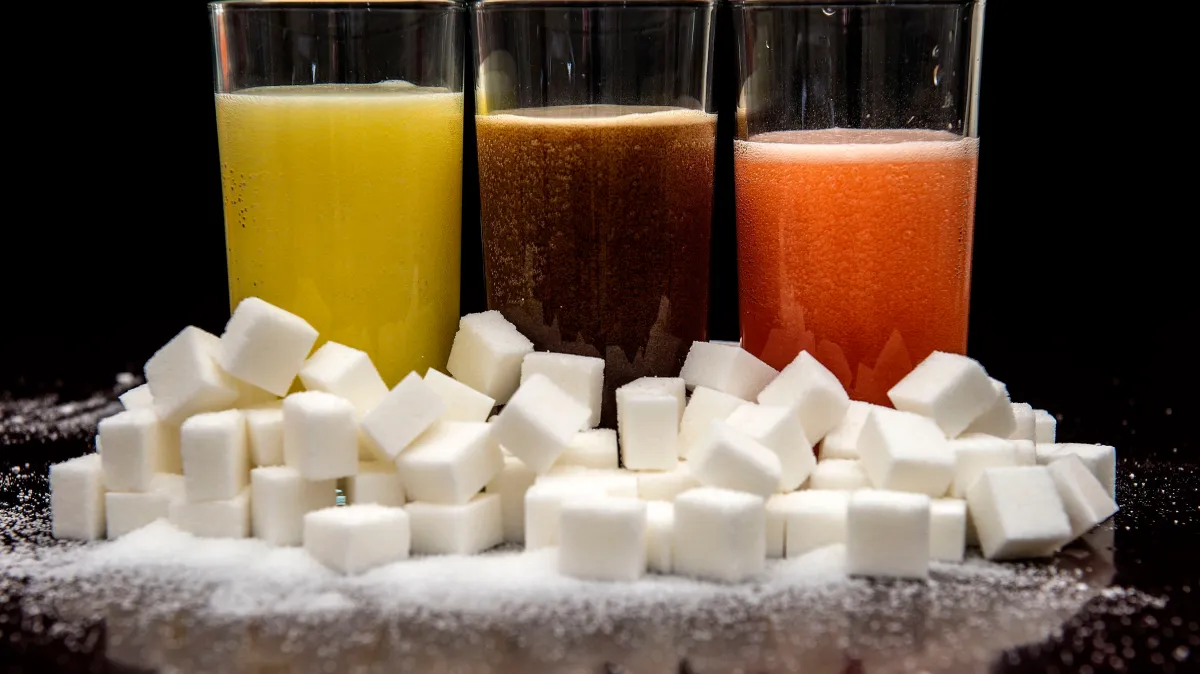
The recent expansion of the sugar tax is set to affect over one in ten beverages on the market, but research suggests it will have a minimal impact on overall sugar consumption. This update, highlighted in a report, outlines changes that will be implemented starting January 2028.
In the November budget, it was revealed that the threshold for sugary drinks subject to the levy will be adjusted from 5 grams of sugar per 100 milliliters to 4.5 grams. Additionally, milk-based beverages, such as packaged milkshakes and lattes, will no longer be exempt. These measures are projected to generate an additional £45 million annually.
According to research conducted by the Institute for Fiscal Studies (IFS), these reforms will expand the reach of the sugar tax to 12 percent more soft drink volumes sold. However, the IFS also notes that any resultant decrease in sugar consumption will be “extremely small.”

The IFS predicts a reduction of only 0.3 kilocalories per person per day as a result of these changes, a figure that represents less than one 5,000th of the daily caloric intake recommended for adults.
Comparatively, the original sugar tax, which was implemented in April 2018, led to a decrease in average calorie intake of about 18 kcal per day. The IFS attributes the lower expected reduction this time to factors such as decreased sugar consumption in soft drinks since 2018, a smaller percentage of the market being captured by the levy, and lower anticipated reductions in sugar content per product.
On average, households can expect to see costs associated with these changes amounting to less than 2 pence per week.
Martin Brogaard, a research economist and co-author of the report, mentioned that the reforms should be viewed as minor adjustments to the existing system, rather than as significant steps toward addressing obesity.
The report also points out that the revisions fail to address existing disparities, which result in some of the sweetest beverages being taxed less per gram than those with lower sugar content.
Co-author Gautam Vyas highlighted, “A well-structured tax on soft drinks can effectively promote healthier diets. However, the current system misallocates the tax burden. Among the products that fall under the levy, those with the highest sugar content are taxed the least. The recent adjustments do not rectify this design flaw. A tax structure that imposes heavier charges on the most sugary drinks would align better with the health issues it aims to tackle and would more effectively reduce sugar intake among those who consume it the most.”
Following the introduction of the original soft drinks levy, manufacturers quickly adapted, reformulating their products to remain just under the 5g per 100ml threshold. Before the levy was enacted, only 2 percent of soft drinks had 4.5 to 5 grams of sugar per 100ml. This figure has since increased to 8 percent of the market as these drinks now come under the tax provisions.
A spokesperson for the government commented, “An unhealthy start in life impacts children significantly, particularly those from low-income families. We are committed to fostering the healthiest generation by addressing key contributors to poor health.”
“The soft drinks industry levy has proven successful; the recent budget announcement builds upon this achievement by eliminating 17 million calories from daily consumption and delivering roughly £1 billion in health and economic benefits.”