Call for Submissions: Original Short Plays
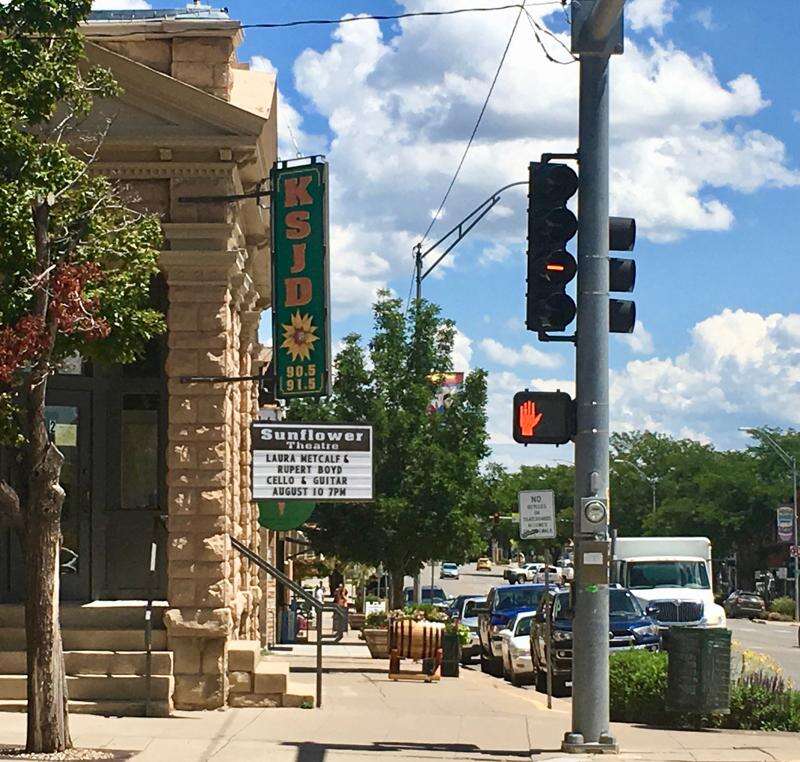
The Sunflower Troupe is inviting local and regional writers to submit original short plays for its upcoming 15-minute play festival scheduled for July. This festival, part of the KSJD Radio Project, aims to highlight the talents of playwrights in the Four Corners area, specifically from Colorado, Arizona, New Mexico, and Utah.
Submission Guidelines:
- Original Works Only: Submissions must be original and should not be adaptations of existing plays or works.
- Theme: Plays should be set at a street corner or intersection.
- Eligibility: Musicals and children’s theater pieces are not eligible.
- Performance History: Plays that have been fully produced at any Four Corners venue for a paying audience will not be considered.
Key Dates:
- Submission Deadline: February 28
- Judging: Six plays will be chosen by a panel of judges on March 19.
- Festival Performances: Selected scripts will be performed in July, where audiences will vote for the People’s Choice winner.
How to Submit:
There is no entry fee, and writers may submit up to two plays. For detailed guidelines and entry forms, please reach out via email at: [email protected].
Kim Welty, the executive producer for the Sunflower Troupe, remarked, “We are very excited to offer this opportunity for the regional community to come together to create and produce original works on stage.”
For more information, contact via email: [email protected].
Get your entries in by February 28 and be part of this vibrant celebration of local talent!