Introduction
In the dynamic world of sports, women continue to break barriers and shatter records, yet they often face unique challenges that can overshadow their achievements. This was notably the case with Molly Miller, the newly appointed coach of Arizona State’s women’s basketball team. As she transitions into her new role, the focus on her appearance rather than her qualifications raises critical questions about the treatment of women in sports. Let’s explore the broader implications this has for female athletes and leaders.
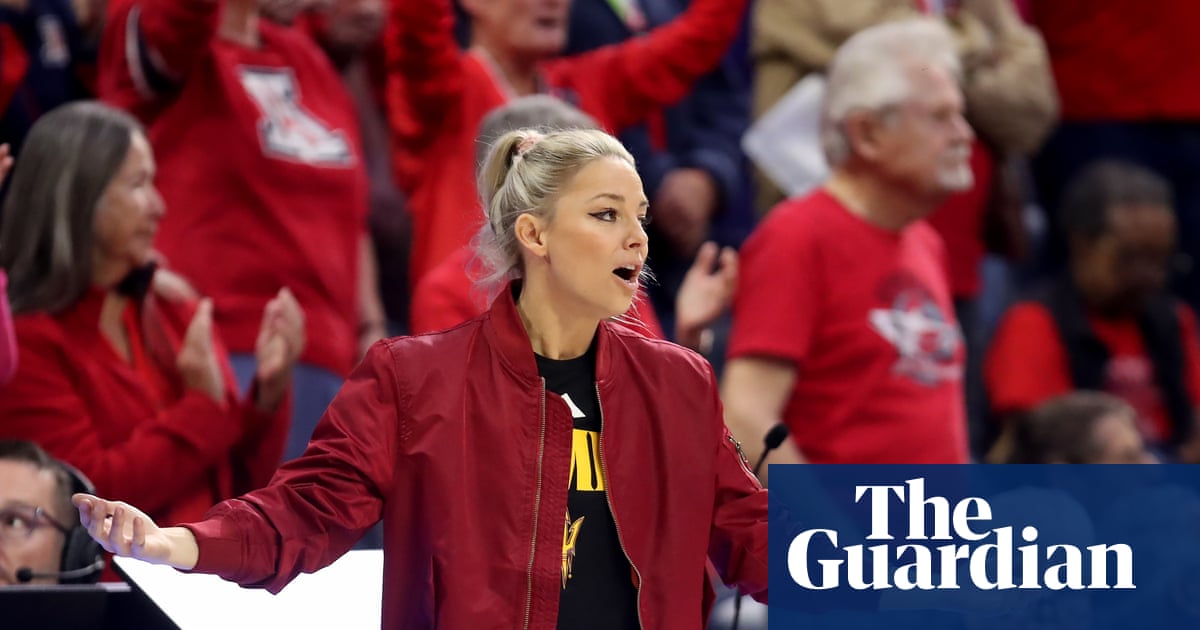
In March 2025, Arizona State University’s women’s basketball team sought a coach capable of revitalizing a program that hadn’t participated in the NCAA Tournament since the 2019-2020 season. They made a commendable choice by hiring Molly Miller, who had already proven her mettle at Grand Canyon University. Under her leadership, the Lopes achieved a remarkable 32-3 record and their first NCAA Tournament appearance. Miller’s impact was soon felt at Arizona State, where she led the team to a 24-11 record and its first NCAA appearance in six years, although their journey ended in the First Four.
However, the discussion around Miller’s hiring quickly veered away from her professional accomplishments to focus on her appearance. While discussions of attractiveness are common in sports, they often obscure the true merits of female athletes and coaches. For example, various social media comments highlighted her looks, sometimes overshadowing her professional achievements. One TikTok video described her as “one of the best basketball coaches to ever walk the Earth,” yet it quickly shifted to commentary about her beauty.
This trend of objectifying women in sports is not new. Since the inception of the WNBA, there has been a persistent focus on women’s looks rather than their skills or accomplishments. When Miller’s success is often met with a “but …” it implies that her professional achievements are insufficient unless tied to societal standards of attractiveness. This notion not only diminishes her career but also sends a troubling message about women’s roles in sports.
The pattern is widespread in athletics. Whether it’s comments directed toward star players like Paige Bueckers or journalists such as Taylor Rooks, women frequently find their professional merits undermined by sexualized portrayals. Such narratives contribute to an environment where female athletes and journalists must repeatedly validate their skills rather than enjoying recognition for their accomplishments.
The implications of this behavior extend beyond individual experiences. Misogyny and objectification often trap women in a cycle of negotiation for legitimacy. In many cases, female athletes face skepticism regarding their salaries and popularity purely due to prevailing biases, which complicates their pursuit of equality and recognition in sports.
Recent discussions have made it clear that these issues are not solely personal grievances but rather systemic problems. Women in sports are often required to contend with distractions that inhibit their growth and disrupt their ability to do their jobs effectively. Comments trivializing their talents serve to reinforce the dated narrative that women can only thrive due to superficial reasons.
Taylor Rooks has openly addressed these dynamics, emphasizing that reducing a woman’s capabilities to her looks diminishes the hard work and dedication she has invested in her career. She articulated the frustration felt by many women in sports when she stated that implying one’s achievements are solely based on attractiveness is a disservice to their dedication and talent.
Similarly, as Miller steps into her new role, her journey underscores the need for a cultural shift that recognizes female coaches and athletes for their skills, not their physical appearance. Miller’s ability to lead a previously struggling program back to the NCAA Tournament is an impressive feat worthy of celebration and respect.
Conclusion
The stories of women in sports, like that of Molly Miller and Taylor Rooks, illustrate a pressing need for change. Recognizing female athletes and coaches for their talents rather than their appearances is crucial in fostering an equitable atmosphere in sports. As audiences and fans, we must strive to celebrate achievements based on merit. Only then can we pave the way for future generations of women to excel without distraction and receive the respect they unequivocally deserve.